
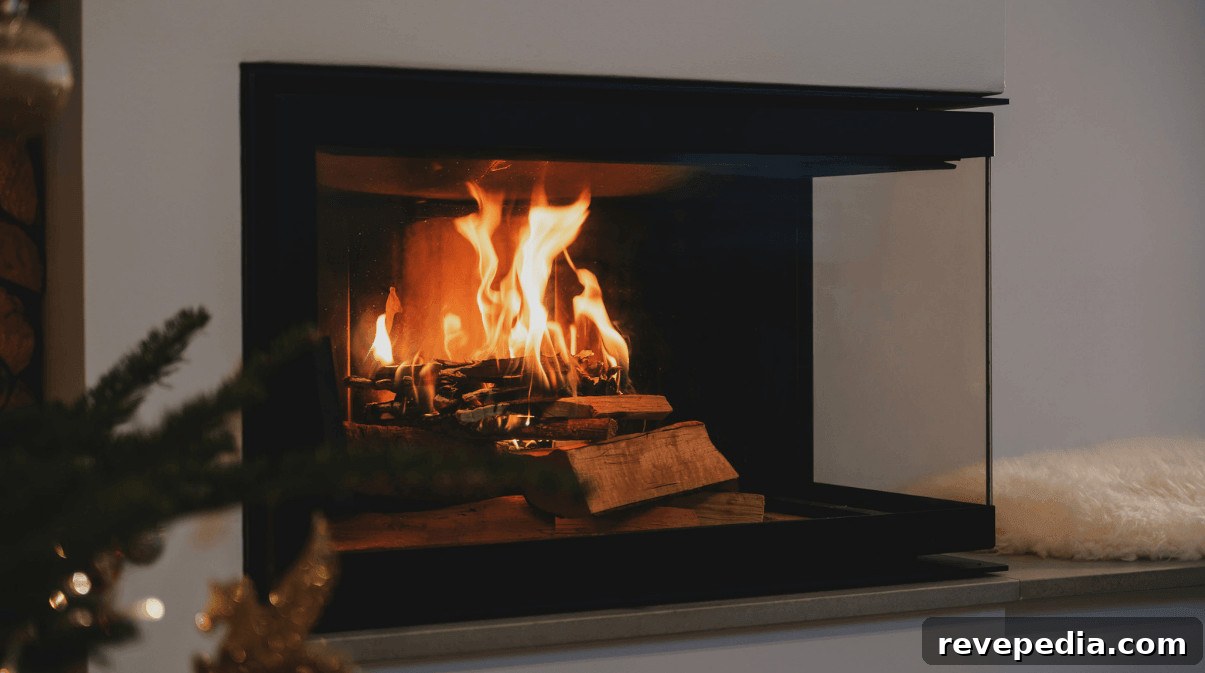
Good firewood delivers steady heat without filling your living space with smoke or coating the chimney with creosote. When logs are too wet, split poorly, or are stored where they cannot dry, you burn more wood and get less usable heat. Choosing, seasoning, stacking, and storing firewood properly makes a noticeable difference once it’s time to light a fire.
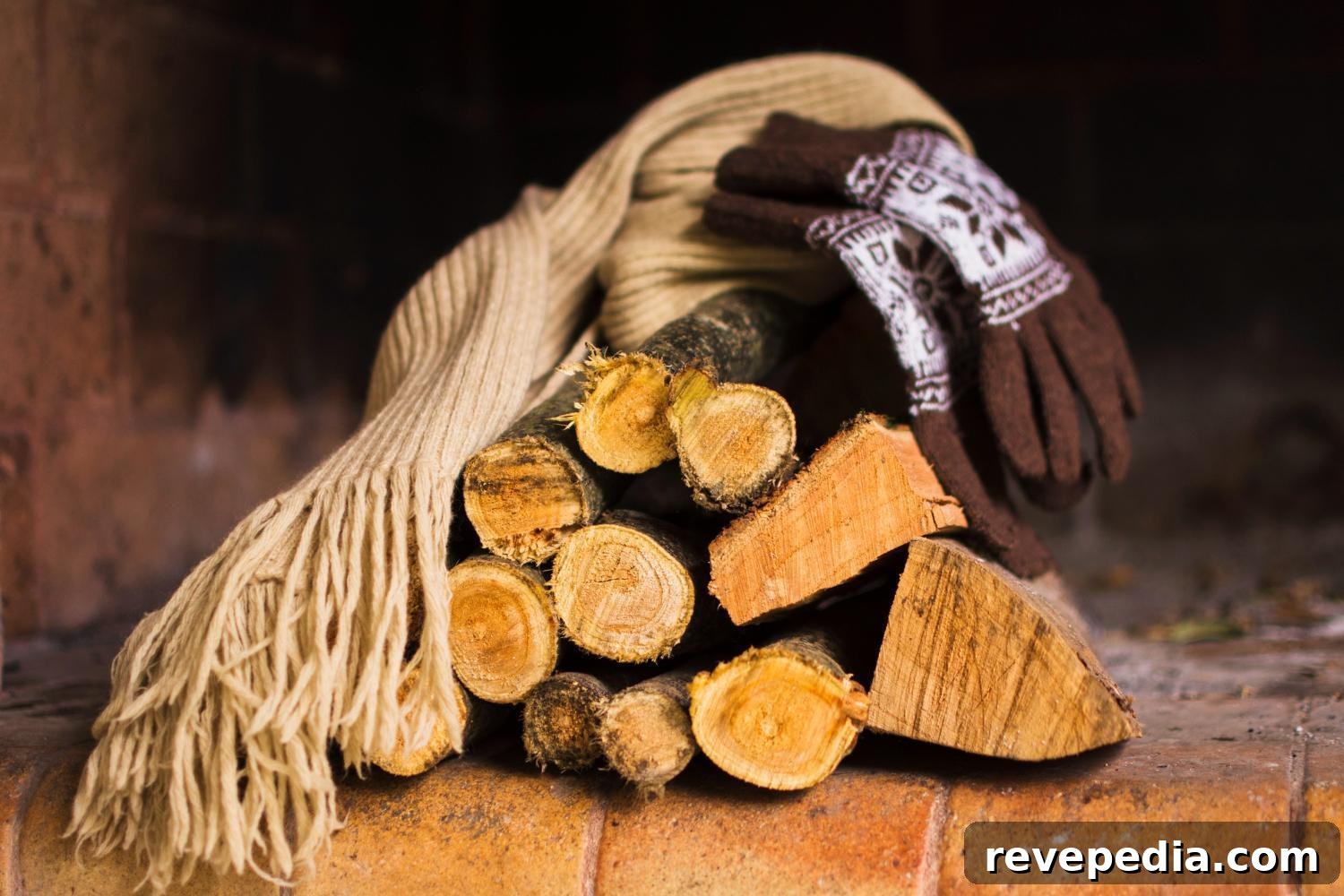
Image by Magnific
Choosing the right species
Hardwoods generally make the best long-term heating fuel because they are denser and provide more heat per cord. Eastern species such as oak, hickory, and ash are popular because of their high energy content and tendency to form a hot, long-lasting coal bed that keeps a stove or fireplace going between refueling. Denser woods also tend to produce less visible smoke when properly seasoned.
Mid-density hardwoods like maple and cherry burn cleanly and produce reliable heat while also offering an attractive flame—qualities that make them suitable for both everyday heating and for fires where appearance matters. Fruitwoods, including apple, are prized for their pleasant aroma and even burn characteristics, making them desirable for decorative fires and smoking or cooking when small amounts are needed.
Softwoods such as pine, spruce, and fir ignite easily and produce bright flames, which makes them excellent for kindling and for quickly getting a fire started. However, they burn faster and can deposit more resin and creosote in the chimney than denser hardwoods, so they are best used as starter wood rather than the primary fuel for an extended heating fire.
The moisture content question
Freshly cut “green” wood can contain 50–60 percent moisture by weight. Burning wood with this much moisture forces the fire to use energy to evaporate water, reducing heat output and increasing smoke and creosote formation. Properly seasoned wood with moisture content below about 20 percent burns hotter, cleaner, and more efficiently.
Most hardwoods require six to twelve months of seasoning after cutting to reach low moisture levels; dense species like oak may take closer to two years. If you buy firewood, confirm the listed moisture content and species, and compare sellers using the same criteria. Avoid buying wood described only as “seasoned” without a moisture reading or a clear explanation of how long it has dried.
Stacking for maximum airflow
How you stack firewood strongly affects how well it dries. Wood needs good airflow to lose moisture, so arrange stacks to allow air movement on at least three sides. Avoid stacking directly against house walls, garage sides, or solid fences where airflow behind the pile is restricted.
Keep the stack elevated off the ground with a pallet, treated railroad tie, or concrete blocks. Elevating the base prevents ground moisture from wicking into the lowest logs and helps discourage insects and rot. A single-row stack or loosely spaced rows allow more ventilation than a deep, tightly packed pile, and leaving cut ends exposed helps moisture escape as the wood seasons.
Covered storage without full enclosure
Protecting firewood from rain and snow is important, but completely enclosing a stack can trap moisture and slow drying. The ideal storage keeps the top covered while leaving sides open for ventilation. Simple options include a lean-to roof, an open-sided woodshed, or a storage rack with a roof. If you use a tarp, cover only the top of the stack and leave the sides open to air circulation.
A sheltered, well-ventilated storage area prevents rewetting during wet weather while allowing the wood to continue drying. Avoid wrapping the entire pile in plastic or sealing it tightly; doing so often creates a humid microclimate that prolongs seasoning time and can promote mold.
Cleaner wood burning and practical guidance
Burning dry, well-seasoned wood in a properly designed stove or fireplace reduces smoke and particulate emissions and improves heating efficiency. Homeowners should prioritize moisture content and appliance condition: certified, well-maintained stoves and inserts burn more efficiently and produce less pollution than older, poorly maintained units. Regularly checking wood moisture and using dry fuel are among the simplest, most effective steps for cleaner burning at home.
The two-year plan for serious firewood users
For households that rely heavily on wood heat, keeping two seasons’ worth of wood in rotation helps ensure a reliable supply of well-seasoned fuel. Cut or buy wood in advance so it can season through the following year and be ready to burn after that. This planning reduces the risk of arriving at the heating season with unseasoned, wet wood and is especially useful for slow-drying species like oak.
Make the most of your firewood
Good firewood requires planning and simple, consistent practices. Cut or purchase wood early enough to allow proper seasoning, stack it to maximize airflow, keep it elevated off the ground, and protect the top from precipitation while leaving the sides open. Always check moisture levels before bringing wood indoors to burn.
Once you adopt these habits, fires become easier to start and manage, you’ll get more heat per cord, and you’ll reduce smoke and creosote buildup in the chimney. That leads to better heating performance, cleaner indoor air, and fewer maintenance issues over time.