Regular vehicle maintenance is essential to keep your car running reliably and efficiently. Performing routine checks and addressing problems early preserves performance, extends the vehicle’s useful life, and reduces the chance of unexpected breakdowns.
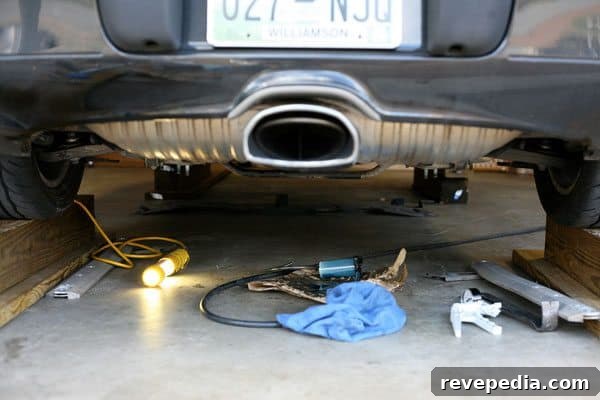
This article outlines practical, easy-to-follow maintenance tips you can use to keep your vehicle in top condition.
Understanding the Importance of Regular Vehicle Maintenance
Consistent maintenance protects your investment by preventing costly repairs and helping your vehicle perform at its best. Proper maintenance improves fuel economy, keeps components functioning correctly, and increases safety on the road. Below are key ways maintenance contributes to longevity and performance.
The Role of Maintenance in Vehicle Longevity
Routine tasks—such as oil and filter changes, fluid inspections, and timely replacement of belts, hoses, and spark plugs—reduce wear and tear on the engine and other systems. These measures prevent small problems from becoming major failures and can significantly extend the life of your vehicle.
Think of your car as a precision machine: when each part is cared for, the whole functions more reliably. Regular maintenance is an investment that keeps your vehicle dependable and reduces long-term ownership costs.
How Maintenance Enhances Vehicle Performance
A well-maintained vehicle accelerates smoothly, handles predictably, and uses fuel more efficiently. Replacing worn tires improves grip and braking, while tune-ups and clean filters help the engine run more efficiently. These improvements make driving safer and more enjoyable.
Consistent maintenance helps your vehicle respond better to driver inputs and maintain stable performance under different driving conditions.
Preventive Measures Against Unexpected Breakdowns
Regular inspections help you spot potential problems—like a weak battery, worn brakes, or a failing cooling system—before they cause a breakdown. Addressing issues early reduces the risk of being stranded and avoids higher repair costs later.
A proactive maintenance routine gives you peace of mind on long trips and daily commutes, keeping you safer and more confident behind the wheel.
Basic Maintenance Tasks You Can Do Yourself
Many maintenance tasks are straightforward and can be handled at home, saving labor costs and helping you become familiar with your vehicle. Below are simple tasks most drivers can perform with basic tools.
Carrying out basic checks regularly not only saves money but also helps you notice changes in the vehicle’s condition early, allowing for timely professional service when needed.
Checking and Changing Your Oil
Regular oil and oil filter changes are fundamental to engine health. Oil lubricates moving parts and reduces friction; over time it degrades and becomes less effective. Check oil levels frequently and follow the manufacturer’s recommended change intervals to prevent engine wear and maintain performance.
Changing Air Filter
A clean air filter ensures the engine receives the right amount of clean air, helping combustion efficiency and protecting engine components. Replace the air filter at the intervals recommended by your vehicle manufacturer, or sooner if you drive often on dusty roads.
If your vehicle uses an aftermarket reusable air filter, confirm it is securely installed and free from blockages; some reusable filters require periodic cleaning and re-oiling per the manufacturer’s instructions.
Maintaining Proper Tire Pressure
Maintaining correct tire pressure is vital for safety, handling, and fuel economy. Check tire pressures at least monthly and before long trips, adjusting to the pressure specified in your vehicle’s owner manual or door placard. Proper pressure reduces uneven wear and lowers the risk of blowouts.
Underinflated tires increase rolling resistance and fuel consumption, while overinflation can reduce traction and ride comfort. Use a reliable pressure gauge and keep a portable air pump or plan to top up at service stations as needed.
Replacing Windshield Wipers
Clear visibility is critical for safe driving. Inspect wiper blades periodically and replace them if you notice streaking, skipping, or cracking. In most climates, blades should be replaced at least once a year or sooner if they show signs of wear.
Good wipers improve safety in rain, snow, and other poor-visibility conditions and are an inexpensive way to maintain clear sightlines.
When to Seek Professional Help for Vehicle Maintenance
Some issues require a trained technician’s diagnosis and repair. Recognizing when to consult a professional can prevent further damage and ensure safe operation. Here are common signs that professional service is needed.
Understanding the Signs of Engine Trouble
If you hear unusual noises, see excessive smoke, experience sudden power loss, or notice dashboard warning lights, have the engine checked by a qualified mechanic. These symptoms can indicate problems that need professional attention.
Brake Maintenance and Safety
Brakes are vital for safety. Any persistent squealing, grinding noises, reduced stopping ability, or a vibrating brake pedal should prompt an immediate professional inspection. Timely brake service protects occupants and other road users.
Dealing with Transmission Issues
Signs of transmission trouble—such as slipping gears, delayed or harsh shifting, unusual noises, or fluid leaks—warrant professional diagnosis. Transmission repairs can be complex and expensive, so early intervention is essential.
Seasonal Vehicle Maintenance Tips
Adjusting maintenance for seasonal conditions helps your vehicle cope with temperature extremes and changing road conditions. Below are seasonal checks to keep on your calendar.
Preparing Your Vehicle for Winter
In winter, check and top up antifreeze, test the battery and charging system, inspect tires and consider winter or all-season tires for better traction, and ensure lights and wipers are in good condition. Keep an emergency kit, warm clothing, and basic tools in the vehicle when traveling in cold regions.
Summer Maintenance Checklist
Summer maintenance should focus on the cooling system—check coolant levels and hoses—verify air-conditioning performance, and monitor tire pressure as heat can raise inflation. Washing and waxing your vehicle also help protect paint and trim from UV damage and road contaminants.
Regular, proactive maintenance keeps your vehicle safe, reliable, and cost-effective to own. Address issues promptly and follow the manufacturer’s recommended service schedule to avoid surprises and extend the life of your car.
If you tow a caravan frequently or travel off-road, consider appropriate insurance and additional protective measures specific to towing and rough terrain. Proper upkeep combined with suitable coverage offers greater peace of mind for both everyday driving and longer journeys.