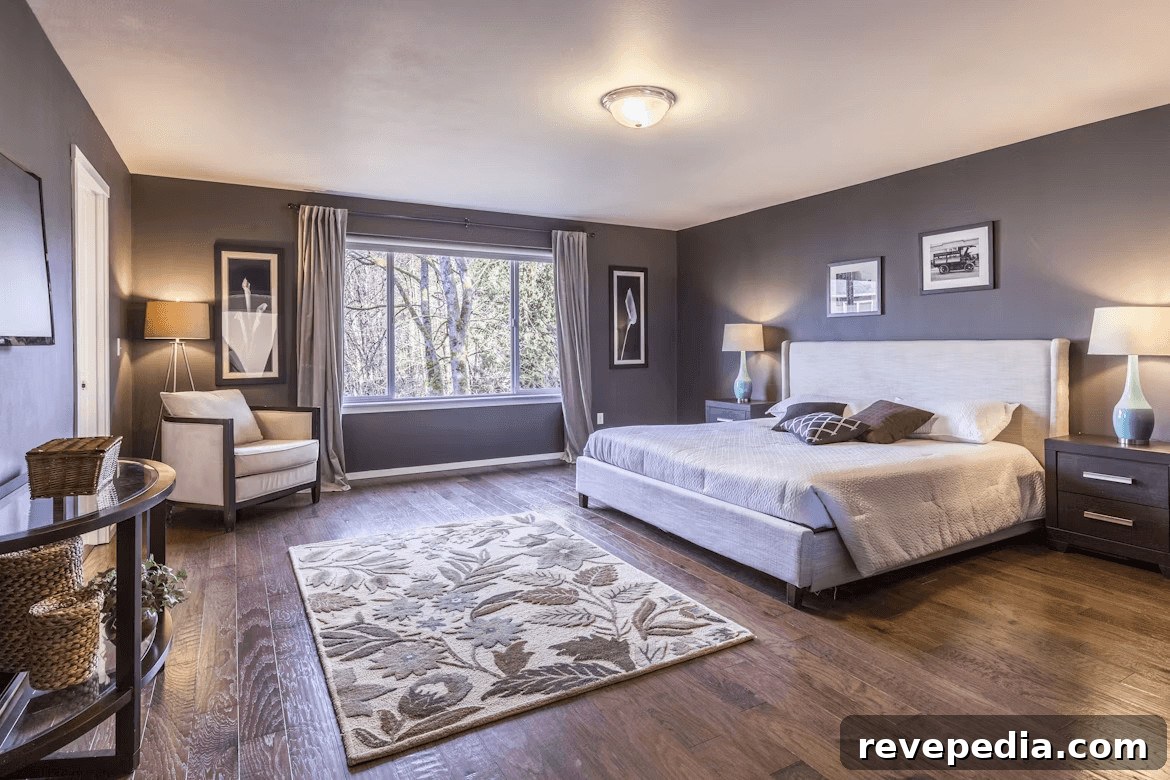
Creating a stylish bedroom is more than choosing pretty items; it’s about shaping a comfortable, functional space that reflects who you are. Whether you’re refreshing an existing room or designing one from scratch, thoughtful arrangement and deliberate choices can transform your bedroom into a calming, restorative sanctuary. A well-planned bedroom supports better rest, easier mornings, and a more peaceful mindset, while also showcasing your personal taste.
Before you begin, decide how you want the room to feel. Are you aiming for a serene retreat focused on relaxation and sleep, or a lively, inspiring environment that sparks creativity? Your purpose will guide decisions about layout, furniture, colors, and accessories, helping you create a cohesive room that suits your lifestyle.
Below are practical, style-focused strategies to arrange a bedroom that looks great and functions well.
Shopping Smart
Shop with intention. Visit local furniture stores to see and feel mattresses, nightstands, dressers, and textiles in person—this helps you evaluate quality, scale, and color more accurately than photos alone. Bring room measurements and a basic plan so you can compare pieces that will fit your space and your budget. Sales associates can offer useful guidance on dimensions and finishes, helping you choose items that balance style with durability.
Prioritize versatile purchases: a quality bed frame, a supportive mattress, and a few multifunctional pieces will serve as the backbone of your design. Investing in core pieces means you can update the room’s look later with smaller accents like bedding, rugs, and artwork.
Furniture Placement
Furniture placement shapes both the flow and the feel of the room. Start with the bed, which usually anchors the layout. Position it on the wall that creates the best visual and physical balance—often opposite the door or centered beneath a window—so it reads as the focal point. Place matching bedside tables at mattress height for symmetry and convenience; this creates a balanced, restful composition.
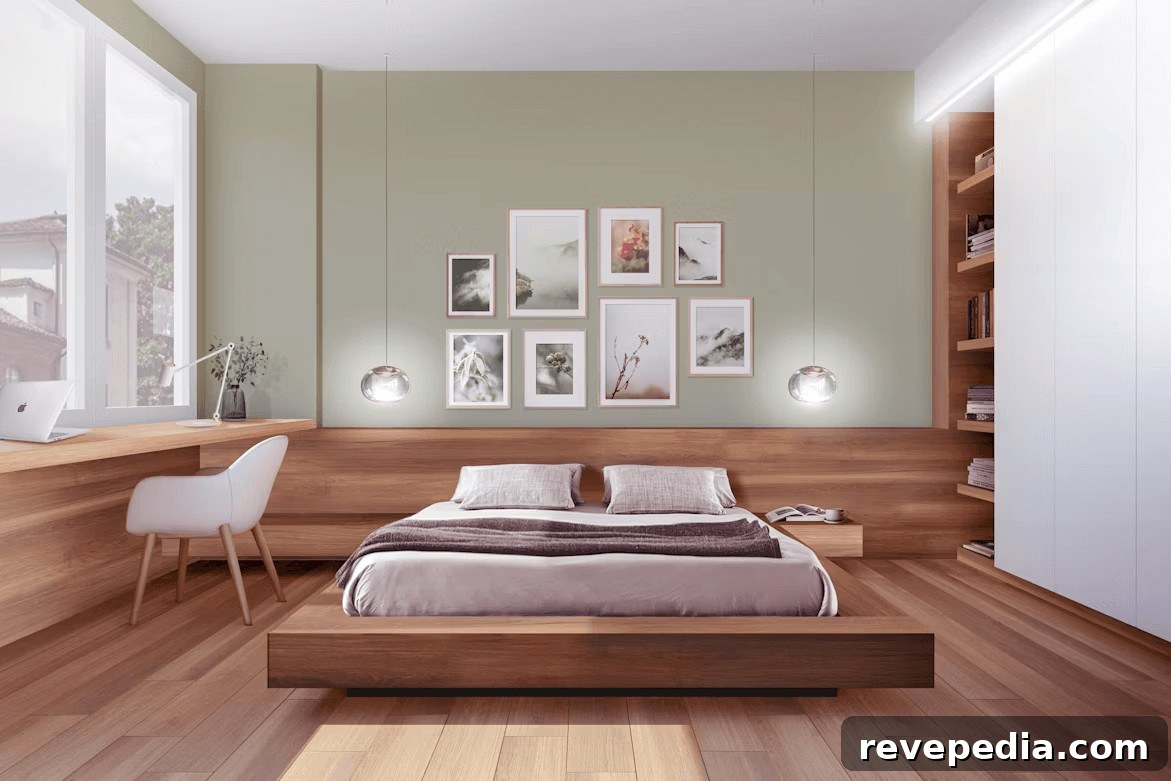
Arrange larger storage pieces like dressers and wardrobes where they won’t obstruct natural light or doorways. Place desks or vanities near windows to maximize daylight for tasks. In smaller rooms, choose furniture that serves dual purposes—storage beds, nesting tables, or a desk that doubles as a nightstand—to avoid crowding and preserve visual openness. Keep traffic paths clear so movement feels natural and relaxing.
Colour and Textiles
Color sets the emotional tone of the room. Soft, muted hues like warm grays, pale blues, or creamy neutrals create a soothing backdrop that encourages rest. Brighter accent colors can be introduced through pillows, throws, or a feature wall to inject personality and energy. Aim for a cohesive palette of two to three complementary colors to keep the look unified.
Textiles add depth and comfort. Layer bedding with different textures—corduroy or knit throws, linen sheets, and a plush duvet—to create a tactile, inviting bed. Mix patterns with restraint: pair a subtle geometric or striped pillow with a floral or organic print, ensuring shared accent colors tie the mix together. A well-chosen rug anchors the bed and adds warmth underfoot.
Lighting Options
Lighting plays a major role in mood and functionality. Begin with general overhead lighting for overall illumination, then layer task and ambient lights. Bedside lamps provide convenient reading light and contribute to the room’s style; choose bases and shades that complement your decor. Add task lighting to desks or vanities to keep those areas practical and well-lit.
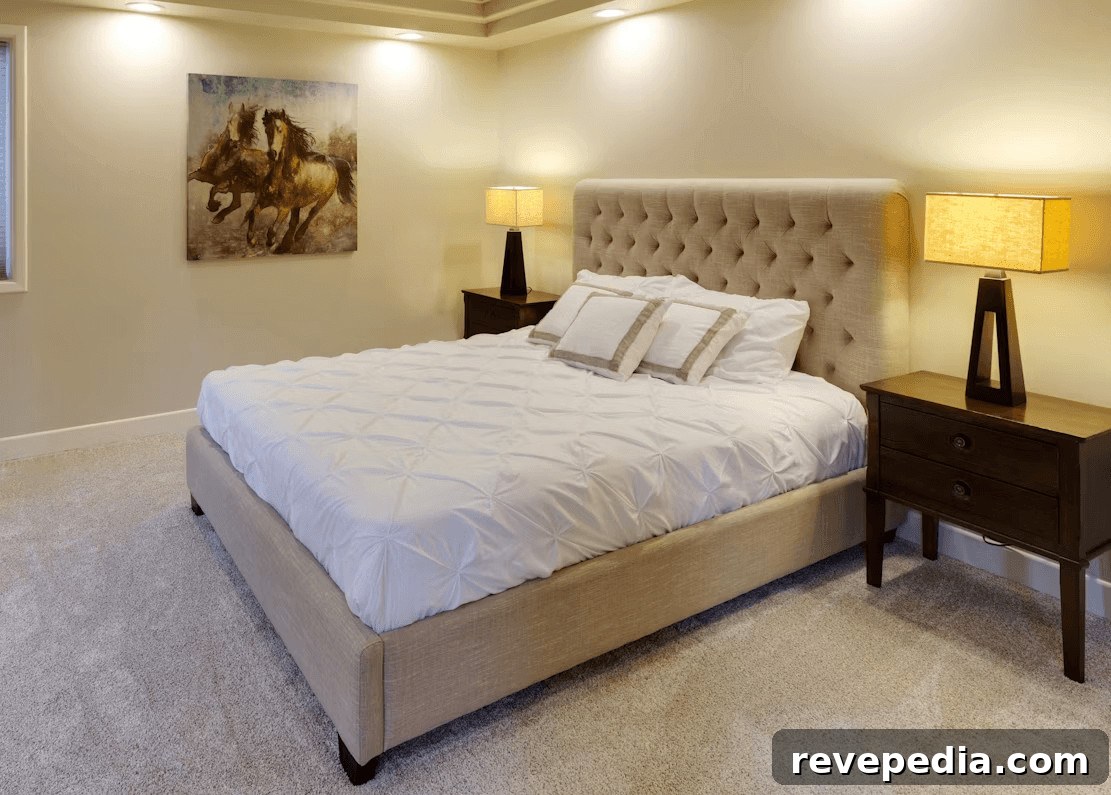
Accent lighting—such as wall sconces, a floor lamp, or soft string lights—creates a cozy atmosphere in the evening. Consider dimmer switches to control brightness and adapt the room to different activities, from reading to relaxing. Thoughtful lighting design is the final touch that makes your bedroom feel curated and comfortable.
Personal Touches
A bedroom should reflect your identity. Incorporate artwork, framed photographs, or meaningful souvenirs to personalize the space. A gallery wall with a mix of frames, or a single statement piece above the headboard, adds visual interest without cluttering surfaces. Display a few cherished items on open shelves or a dresser to make the room feel lived-in and loved.
Bring in plants to add life and improve air quality. Low-maintenance options like succulents, snake plants, or peace lilies are ideal for beginners and introduce natural texture and color. Choose pots and planters that complement your decor for a cohesive look.
Organization Solutions
Organization keeps your bedroom feeling calm and intentional. Clutter undermines even the most beautiful designs, so incorporate practical storage solutions that are attractive and functional. Decorative baskets, under-bed storage drawers, and closet organizers help maintain order while keeping essentials accessible. Use drawer dividers, shoe racks, and shelving to maximize space and simplify daily routines.
A tidy, well-organized bedroom enhances both appearance and well-being. With smart shopping, thoughtful layout, layered textures, and personal accents, you can craft a stylish bedroom that is both beautiful and livable—an environment that supports rest, creativity, and comfort every day.