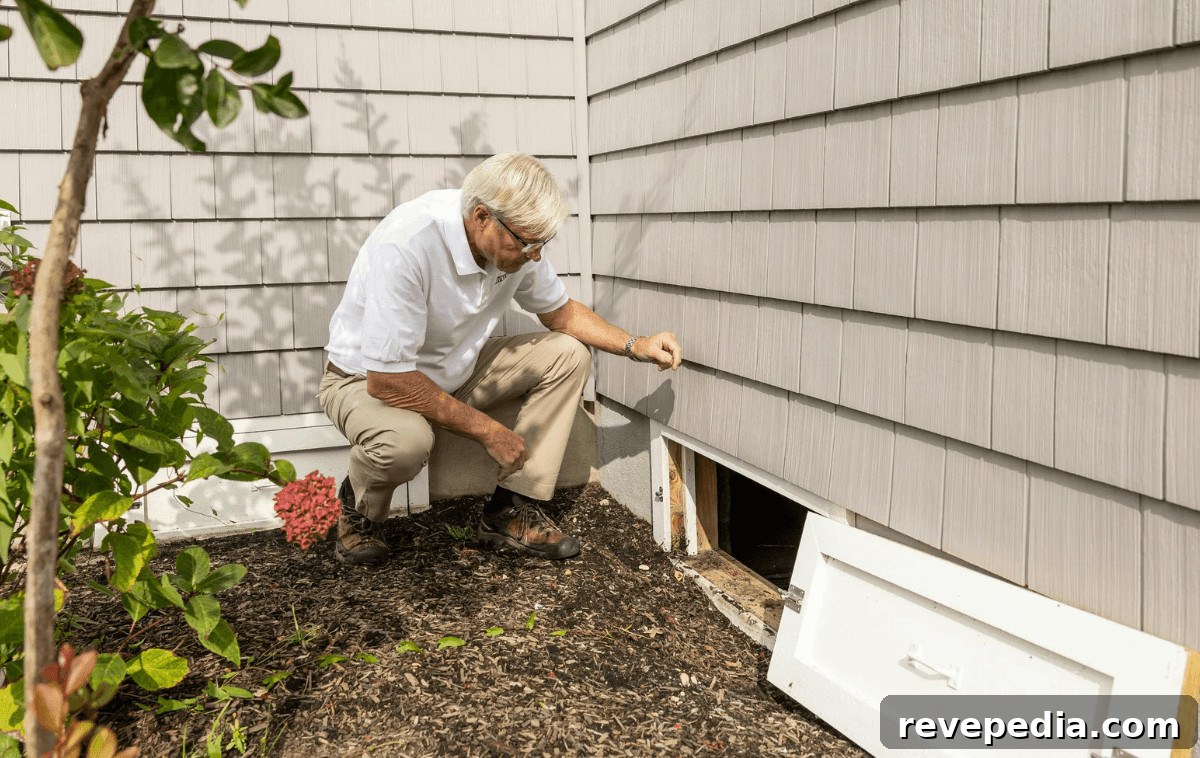
Southwest Ohio may not see the massive lake-effect snow totals that parts of the Great Lakes region experience, but it faces a different, persistent threat to a home’s exterior: repeated freeze-thaw cycles through the winter followed by humid, moisture-rich summers. That seasonal combination stresses siding in ways that steady cold or steady heat do not, and understanding how materials and installation respond to those cycles is essential for durable exterior performance.
Why Freeze-Thaw Cycling Is the Real Stress Test
Temperatures in Southwest Ohio frequently cross the freezing mark during the winter, sometimes several times within a single week. Each time moisture that has penetrated or settled behind siding freezes, it expands. When it thaws, the material rarely returns to exactly the same shape, leaving slightly enlarged gaps and weakened joints.
Over the course of a season, dozens of these expansion-and-contraction cycles progressively open seams, promote micro-cracking, and push water deeper into assemblies. Materials that absorb even small amounts of moisture are particularly vulnerable because the trapped water repeatedly enlarges voids when it freezes. This gradual damage often shortens a siding system’s lifespan far sooner than simple age or UV exposure would.
How the Common Siding Materials Hold Up
Vinyl siding is often praised for its low water absorption compared with organic options, and that helps in freeze-thaw conditions. However, vinyl loses flexibility in cold weather and becomes more brittle, increasing the risk of impact cracks during the coldest periods. Daily or weekly swings between cold nights and bright, warm winter afternoons can also accelerate the expansion and contraction that stresses fasteners and attachment points over time.
Natural wood siding remains the most susceptible to freeze-thaw damage because wood is inherently porous. Once moisture penetrates wood, each freeze-thaw cycle promotes cracking, splits, and the early onset of rot. Paint and coatings fail more rapidly when water cycles in and out of the wood fibers, so maintenance intervals and moisture control matter greatly when choosing wood in this climate.
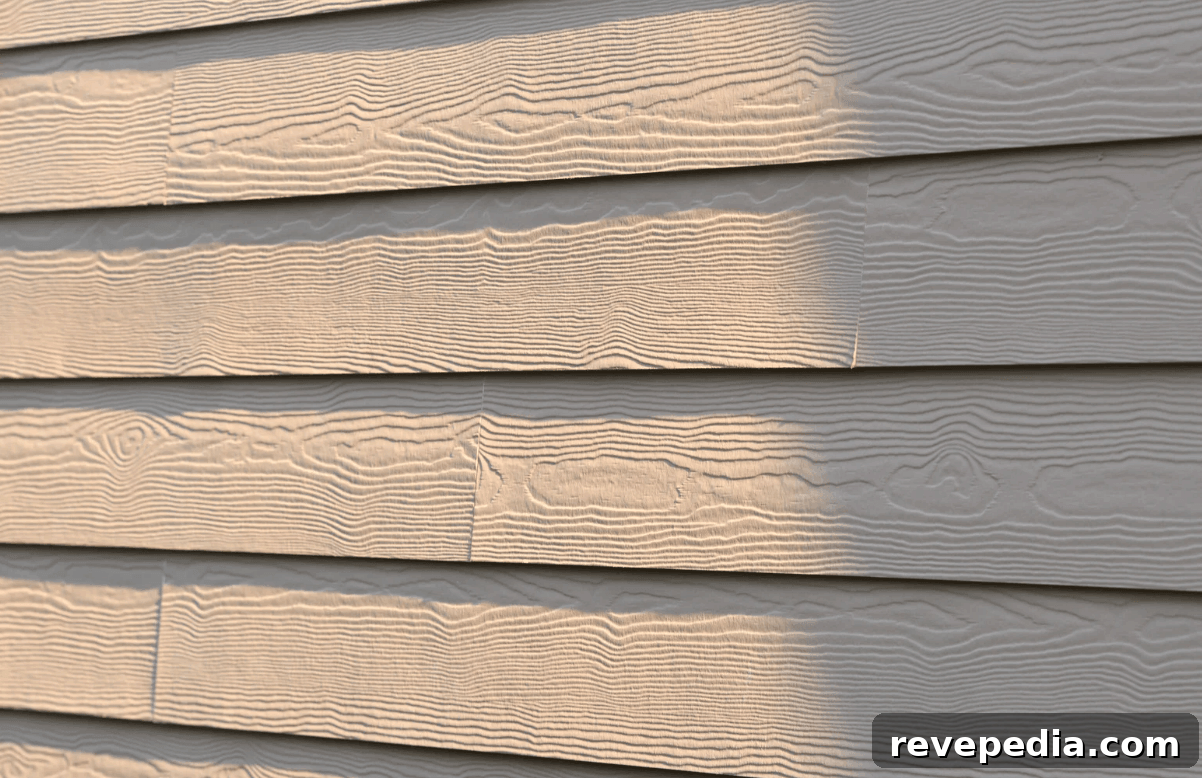
Fiber cement siding performs well under repeated freeze-thaw because its cement-based composition does not absorb significant amounts of water internally. It resists the internal expansion issues that plague porous materials, which explains why fiber cement has become a popular recommendation where cyclical freezing is common.
Engineered wood siding sits between natural wood and fiber cement in performance. Manufacturing treatments increase moisture resistance, but exposed cut edges, seams, and improperly sealed joints can still admit water. Proper sealing and detailing at edges and penetrations are essential to prevent freeze-thaw-related degradation.
Why Installation Details Matter as Much as Material Choice
The resilience of any siding system in freeze-thaw conditions depends as much on installation quality as on the material itself. A premium product can fail prematurely if flashing, house wrap, and seals are installed poorly; conversely, a less expensive material can perform well if the water-management details are executed correctly.
Key installation elements include correctly installed flashing above windows and doors, a continuous and properly taped moisture barrier behind the cladding, adequate drainage gaps where required, and thoroughly sealed seams and joints. These details prevent water from lingering against the siding or framing long enough to freeze and cause damage.
Contractors who emphasize moisture control and demonstrate attention to those installation details will deliver longer-lasting results than those who focus solely on product selection.
What to Prioritize When Planning a Siding Project
Homeowners in Southwest Ohio should prioritize a few critical factors when planning siding work:
- High-quality moisture barriers and meticulous installation: preventing water from sitting against the wall assembly is the primary defense against freeze-thaw damage.
- Material stability across temperature swings: choose siding that maintains flexibility and resists becoming brittle in cold weather.
- Careful sealing of seams, joints, and cut edges: these are the most common entry points for moisture that later magnifies freeze-thaw harm.
- Regular inspection and maintenance: catching small gaps or seal failures early prevents water intrusion and reduces long-term repair needs.
Getting Siding Installed for This Specific Climate
Because freeze-thaw cycling amplifies moisture problems in Southwest Ohio, selecting both the right material and the right installation approach is crucial. When evaluating contractors, ask how they manage flashing details, house wrap installation, and seam sealing—these installation practices often determine whether siding will achieve its expected lifespan in this climate. A contractor familiar with local patterns of freeze-thaw and summer humidity can recommend appropriate products and show documented examples of successful moisture-management details in similar homes.