
Your roof does far more than cover your home. It quietly protects everyone and everything beneath it—your family, your belongings, and the house’s structure. Most homeowners rarely think about it until something goes wrong.
Maybe a leak appears after a storm. Maybe you find shingles scattered in the yard. Or perhaps your roof is simply aging, and it’s time to plan for a replacement.
That leads to a crucial question: who should you trust with such an important job?
Hiring a roofing contractor may seem simple, but the choice can have lasting consequences. A reputable roofing company can provide peace of mind for decades; the wrong one can leave you dealing with ongoing repairs, unexpected expenses, and frustration.
If you own a home in Columbus, investing a little time to understand the hiring process can spare you a lot of stress later. Below are key points every homeowner should consider before hiring a roofing company.
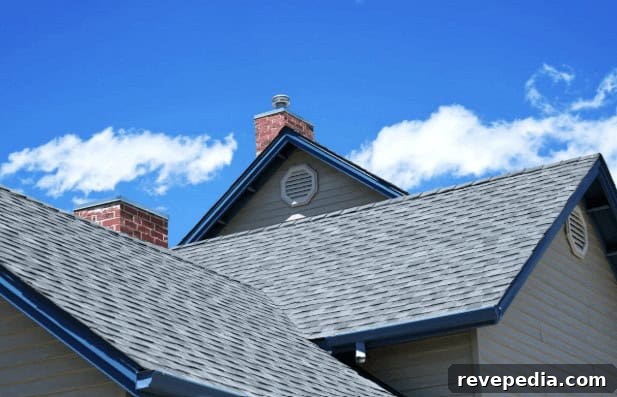
Understanding the Unique Roofing Challenges in Columbus
Columbus weather puts roofs to the test. One season brings heavy rain, another brings snow and ice, and then there are strong winds, temperature swings, and occasional hail. Over time, these conditions take a toll.
Roofs in Ohio endure a lot, and roofing work here differs from other regions. Contractors must understand how local weather affects materials, ventilation, and long-term durability.
For example, freeze-thaw cycles in winter can loosen shingles and damage flashing, while summer heat can expand materials and stress fasteners. Storms can lift or crack shingles in ways homeowners may not notice immediately.
Local experience matters. Contractors familiar with regional climate patterns are more likely to spot issues others miss and to recommend materials that hold up well in this environment.
Always Verify Licensing, Insurance, and Certifications
Checking credentials isn’t glamorous, but it’s essential. Roofing involves ladders, heavy materials, and potentially hazardous work. If a contractor isn’t properly insured, you could be held responsible for property damage or injuries.
Before hiring, confirm the company carries liability insurance and workers’ compensation coverage. Reputable contractors should readily provide proof.
Licensing requirements vary by jurisdiction, but professionals should comply with local codes and permitting procedures. If your project requires permits, the contractor should know how to secure them.
Manufacturer certifications are another important factor. These indicate the contractor has been trained to install specific products according to manufacturer standards and can sometimes allow for enhanced warranty offerings.
Look for Proven Local Experience
Experience counts. A contractor who has been working in the Columbus area for years is likely to have encountered many roof types and common local problems—storm damage, aging shingles, ventilation issues, and more. That experience helps them diagnose issues accurately and avoid installation mistakes that lead to future leaks or structural problems.
To evaluate experience, check how long the company has operated locally and read customer reviews for patterns of reliability and quality. Ask for examples of past projects or references; reputable contractors are usually happy to share photos or referrals. Hesitation to provide this information can be a red flag.
Pay Attention to Roofing Inspections and Estimates
A thorough roof inspection takes time and shouldn’t be done from the driveway or with a quick glance. Professional inspections examine shingles, flashing, ventilation, gutters, and underlying structural components. Inspecting the attic is also common to detect moisture, insulation, or ventilation problems.
After a complete inspection, the contractor should provide a clear, itemized estimate that outlines materials, labor, and the scope of work. If an estimate seems vague or rushed, ask for clarification.
Important questions to ask:
- What specific materials will be used?
- How long will the project take?
- Are there potential issues that could increase cost later?
Transparent contractors welcome these conversations because roofing is a significant investment and homeowners deserve to know exactly what they’re paying for.
Comparing Roofing Materials and Long-Term Value
Not all roofing materials perform the same. Choices differ in cost, lifespan, and benefits. Selecting the right material affects both your budget and how long the roof will last.
In Columbus, asphalt shingles are common for their affordability, durability, and variety of styles. Architectural shingles—thicker, more dimensional asphalt shingles—offer increased longevity and better wind resistance. Metal roofing is another option; its higher upfront cost is often offset by long-term durability and a long service life.
Which material is best depends on your home, budget, and long-term goals. A knowledgeable contractor should explain pros and cons in plain terms and help you weigh initial cost against long-term performance. Sometimes spending more initially saves money over the life of the roof.
Understanding Warranties Before Signing Anything
Warranties are crucial. There are typically two types involved: the manufacturer’s warranty for material defects and the contractor’s workmanship warranty for installation issues. Even the best materials can fail if installed incorrectly, so a strong workmanship warranty shows the contractor stands behind their work.
Before you sign a contract, review warranty terms carefully. How long does coverage last? What is and isn’t covered? A trustworthy contractor will explain warranty details so you understand what protections you have.
Communication and Transparency Matter
Roofing projects are disruptive—noise, materials on your driveway, and workers on the property are normal. Good communication makes the process much smoother. Reliable contractors keep homeowners informed: they explain timelines, share schedules, and update you if unexpected issues arise.
Hidden damage or weather delays can change plans; honest contractors communicate these problems clearly rather than leaving homeowners guessing. Written agreements should document the project scope, materials, estimated timeline, payment terms, and cleanup expectations so both parties know what’s been agreed upon.
Taking Your Time Leads to Better Decisions
Roofing problems can feel urgent—an active leak or storm damage is stressful. In those moments it’s tempting to hire the first contractor who promises a quick fix. But taking time to research options often leads to a better long-term outcome.
Compare estimates, read reviews, ask questions, and review past projects. The objective is more than a temporary repair: it’s protecting your home for years to come.
Your roof shields everything beneath it—your family, your memories, and your peace of mind. Choosing the right roofing company means you’re not just getting a repair or replacement; you’re gaining confidence that your home will remain protected, whatever the Columbus weather brings next.