
Most homeowners don’t think much about how much heat comes through their roof until cooling the house becomes harder or more expensive. Commercial property managers face the same challenge at a much larger scale. That’s why roof reflectivity, insulation, material choice, and ongoing maintenance play major roles in decisions about commercial buildings.
Although a single-family home and a commercial property have different roofing needs, the principles behind energy-efficient commercial roofing can be useful for homeowners too. Reflective materials reduce heat absorption, proper insulation slows heat transfer, and a well-maintained roof helps the entire building perform as intended.
This doesn’t mean installing a commercial roofing system on a house. Instead, homeowners can adopt the same questions and priorities used in commercial projects when planning a roof replacement, upgrading insulation, or trying to reduce HVAC strain.
Below are common commercial strategies for energy-efficient roofing, translated into practical takeaways for homeowners and smaller properties.
Working With Qualified Roofers
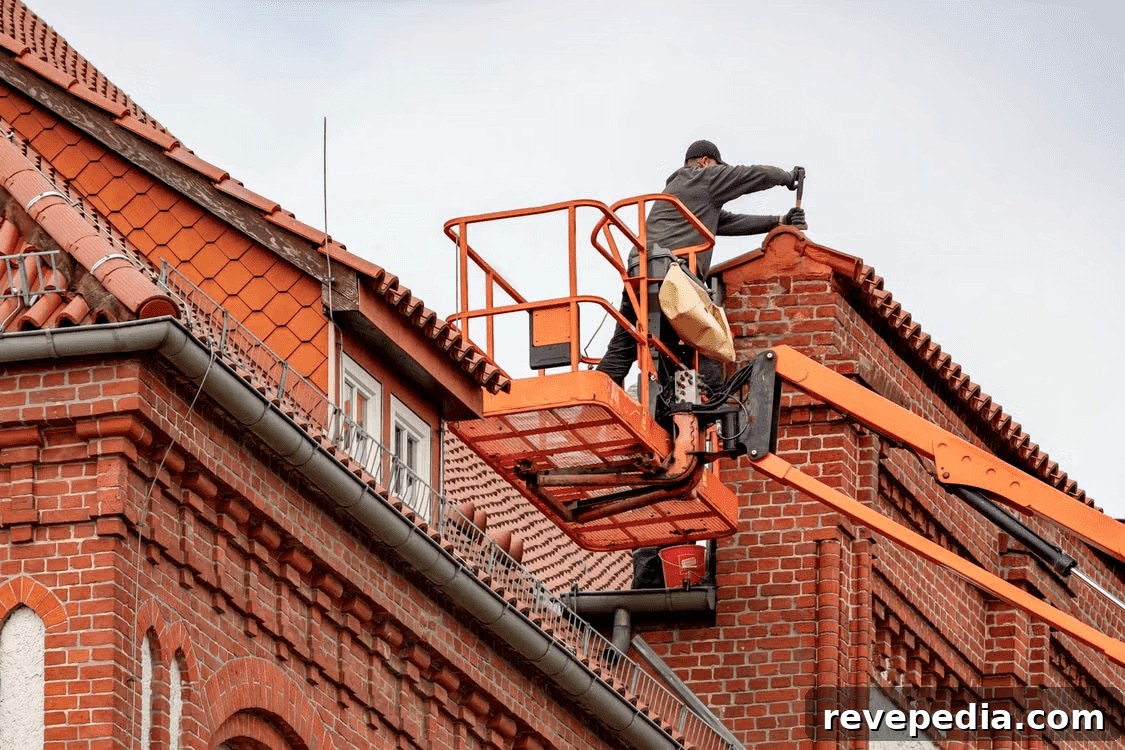
Reducing monthly operating costs is a top priority for property managers, and the same attention to performance benefits homeowners. Experienced commercial roofers often recommend reflective single-ply membranes that reflect solar heat and lower interior temperatures without overworking cooling systems.
Hiring skilled contractors ensures installation follows manufacturer specifications. Proper seam sealing and correct flashing details prevent air and water leaks that can undermine climate control. Professional installation protects the building and helps maximize long-term energy savings.
Qualified installers typically inspect the roof and existing insulation before recommending materials. This upfront assessment reduces surprises and helps plan a project that delivers the intended thermal performance. Working with certified teams also preserves warranty coverage and reduces the risk of costly callbacks.
Understanding Financial Savings With Cool Roofs
Cool roofing systems can produce measurable reductions in summer energy use because reflective surfaces absorb less solar heat than dark asphalt or modified bitumen. Lower roof surface temperatures directly reduce the cooling load inside the building.
Estimates from energy studies show that high-performing cool roof products can save a noticeable amount per square foot on utility bills, with cumulative savings that often offset initial installation costs over time. Reduced demand on air conditioning also helps lower peak utility charges that occur during hottest hours.
When evaluating return on investment, look beyond the first-year savings. Energy reductions compound over time, and consistent lower cooling demand can free capital for other improvements. Choosing modern cool roof materials can continue to deliver savings well after the initial payback period.
Exploring Spray Polyurethane Foam Options
Spray polyurethane foam (SPF) is another effective option for low-slope or flat roofs. Applied as a liquid that expands into a continuous, seamless layer, SPF forms a durable thermal and moisture barrier across the entire roof surface.
Because it conforms to irregular profiles and eliminates seams and mechanical fasteners, spray foam reduces thermal bridging and provides a high R-value per inch. It also offers excellent waterproofing when properly installed and protected with a suitable coating.
Advantages of spray foam roofing include:
- Seamless, monolithic construction that reduces leak risk
- High insulation value per inch of thickness
- Lightweight application that adds little structural load
- Strong moisture resistance when using closed-cell formulations
Proper SPF application requires specialized equipment and experienced crews to ensure uniform thickness and effective coverage, especially around penetrations and parapet walls.
Leveraging Grants And Financial Incentives
High upfront costs can deter property owners from green roofing upgrades, but state programs and regional sustainability initiatives often offer financial incentives that reduce those barriers. Grants, rebates, and tax incentives can shorten payback timelines and make projects more affordable.
Targeted programs may cover a substantial portion of eligible project costs for cool roof repairs or replacements. Identifying qualifying incentives requires accurate documentation of material energy ratings and sometimes professional guidance to navigate application processes.
Combining federal, state, and local incentives with utility rebates and accelerated depreciation options can produce maximum financial benefit, especially for larger retrofits where economies of scale apply.
Selecting Materials For Structural Longevity
Material choice directly affects a roof’s long-term energy performance. Single-ply membranes such as TPO and PVC offer strong resistance to ultraviolet degradation and retain reflectivity over many years. Choosing durable, high-quality materials prevents premature deterioration from sun and weather exposure.
Rigid insulation boards installed beneath waterproof membranes add thermal resistance and stabilize indoor temperatures during heatwaves. Combining polyiso or other high-performance insulations with reflective surfaces creates a robust defense against heat transfer.
Routine maintenance keeps reflective roofs performing well. Regularly removing dust, leaves, and pollutants preserves surface reflectance. Prompt repairs of small damages prevent moisture from reaching insulation, because wet insulation loses its thermal resistance and increases cooling costs.
Optimizing HVAC Integration And Performance
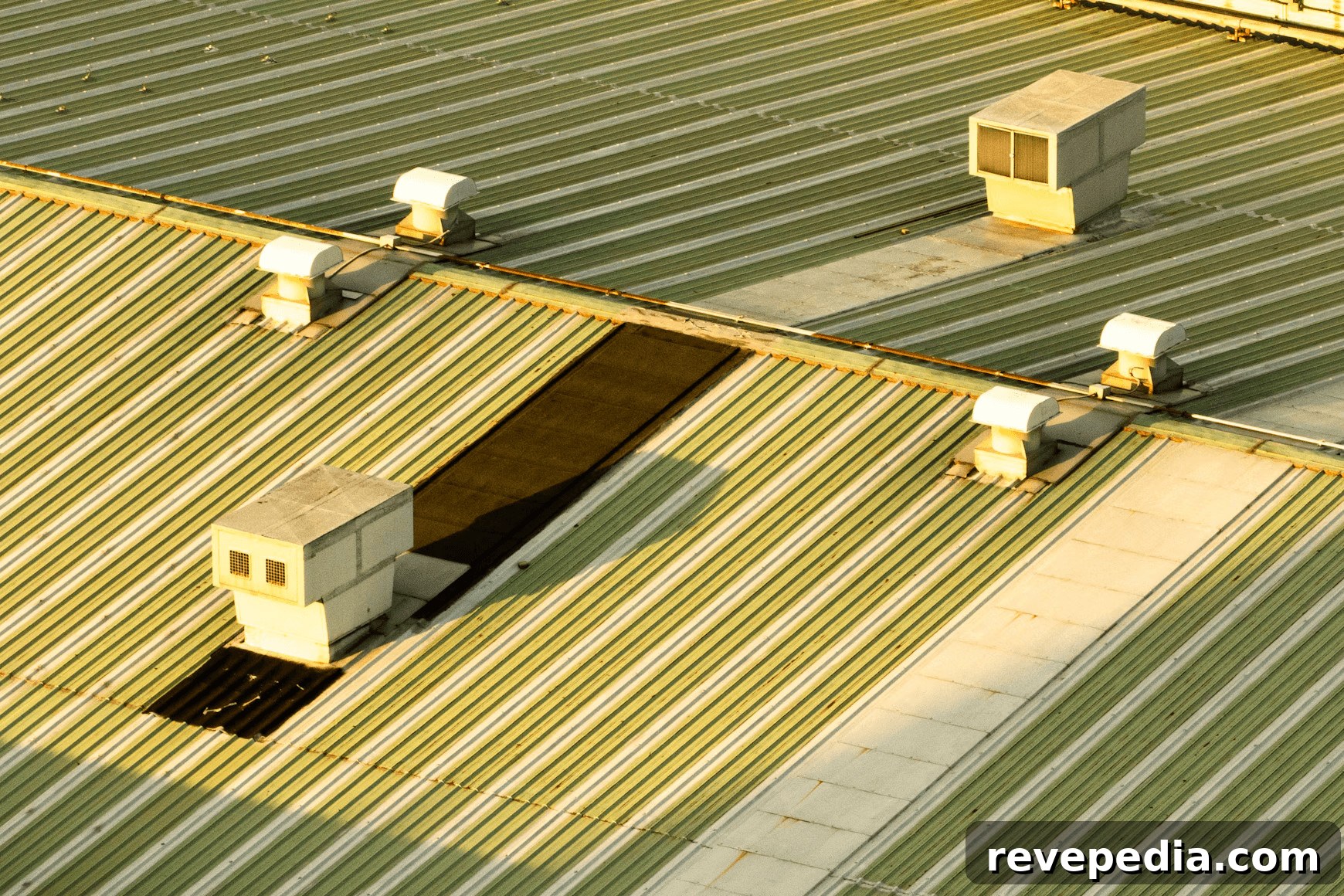
An energy-efficient roof complements interior mechanical systems. Cooler roof decks create a more favorable microclimate around rooftop air handling units, allowing equipment to intake cooler air and operate more efficiently.
Lower rooftop ambient temperatures reduce stress on HVAC compressors and condenser coils, decreasing run hours and extending equipment life. Those operational savings appear as lower utility bills and reduced maintenance costs over time.
Integrating cool roofing with facility management strategies yields multiple benefits, including reduced thermal stress on rooftop equipment, decreased runtime for heavy refrigeration systems, and longer service life for mechanical components. Smart sensors that monitor roof and interior temperatures can validate savings and reveal further optimization opportunities.
Combining modern roof insulation practices with climate control systems and performance monitoring helps capture the full efficiency potential of a roof upgrade.
Bringing Commercial Roofing Lessons Home
You won’t need to compare commercial membranes or calculate costs for thousands of square feet when you own a home, but the commercial mindset offers helpful guidance: don’t judge a roof only by its surface material.
Insulation, ventilation, moisture control, local climate, maintenance, and the condition of your HVAC system all affect how a roof performs. When planning a residential roof replacement, ask how proposed materials will work with these other systems rather than focusing solely on upfront price or advertised lifespan.
Commercial projects make these relationships easier to spot because the scale magnifies impacts. At home, the same principles apply: choose materials that suit your climate and house, invest in proper insulation and installation, and address small issues early to avoid larger, costlier problems.
You don’t have to copy a commercial roofing system to benefit from its lessons. Thinking of your roof as an integral part of the whole house—not just a cover—leads to better decisions, improved comfort, and lower long-term energy costs.