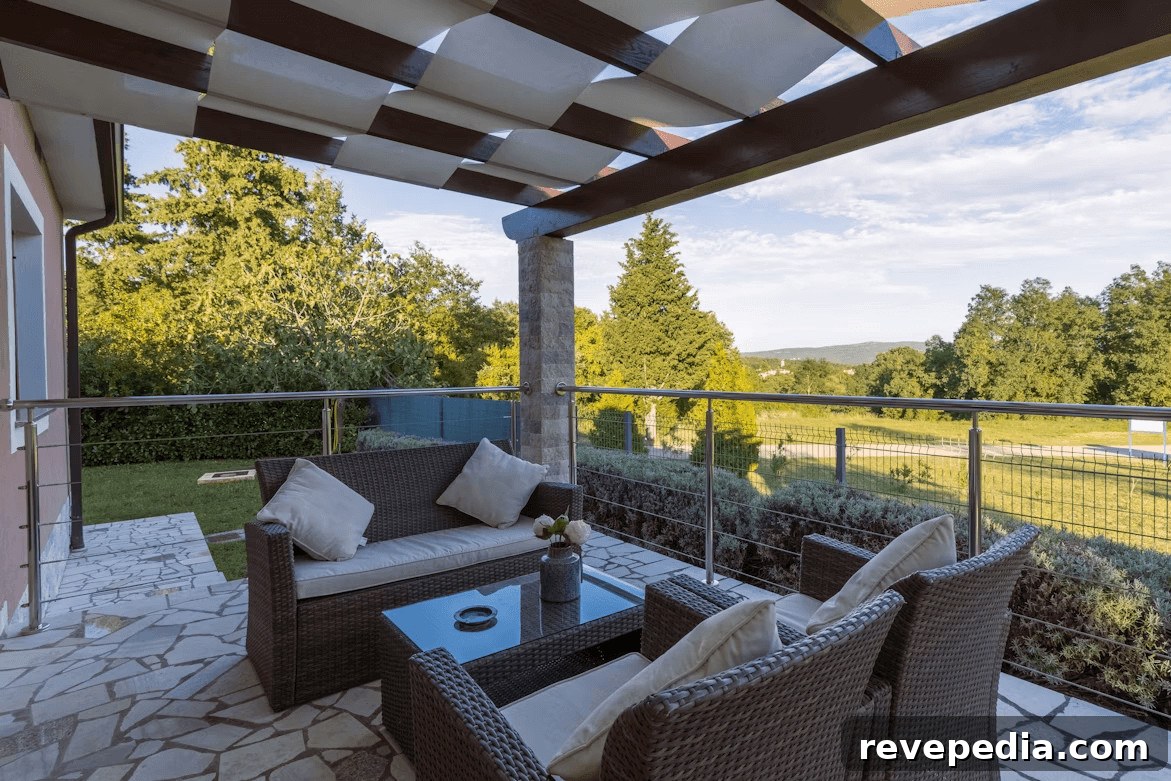
A concrete patio enhances your home’s curb appeal and expands usable outdoor living space. Whether you plan to entertain, dine outdoors, or create a quiet retreat, the long-term performance of the patio depends on the quality of the slab beneath it. Proper reinforcement is as important as choosing the right concrete mix; it controls cracking, supports the slab during ground movement, and ensures the surface remains durable under everyday use.
Before ordering concrete or beginning work, take time to understand which reinforcement option best suits your project and how to install it correctly. This guide explains why reinforcement matters, compares common reinforcement types, and outlines best practices for installation and curing to help you build a patio that lasts.
Why Does a Concrete Patio Need Reinforcement?
Concrete has excellent compressive strength but relatively low tensile strength. As the slab cures and as the ground expands and contracts with seasonal and weather changes, tensile stresses can form. Without reinforcement to absorb and redistribute these stresses, cracks can develop and widen over time.
Reinforcement functions as an internal framework, supporting the slab during small movements and limiting crack width when stresses occur. This is especially important for patios that receive regular foot traffic or support heavy outdoor furniture, barbecues, planters, or built-in features.
When choosing materials for a residential patio, use purpose-made products like rectangular welded mesh designed for concrete reinforcement. Quality reinforcement materials are manufactured to meet the needs of concrete slabs and help ensure reliable, long-lasting performance for a wide range of residential applications.
What Are the Different Types of Concrete Reinforcement?
There are several reinforcement options, each suited to different applications. Understanding their differences will help you select the right solution for your patio.
1. Reinforcement mesh
Reinforcement mesh consists of welded steel wires forming a grid. It is a popular choice for residential slabs because it is straightforward to install, provides uniform coverage, and delivers effective crack control across the patio surface.
2. Steel reinforcing bars (rebar)
Rebar is commonly used in structural elements such as retaining walls, footings, and suspended slabs. It provides significant strength but typically requires more design planning and labor than mesh. For a typical backyard patio, rebar is often unnecessary unless specified in engineering plans.
3. Fibre reinforcement
Concrete mixes can include synthetic or steel fibres to help control plastic shrinkage cracks during curing. Fibre reinforcement is useful but not always a direct replacement for steel reinforcement. In many residential patios, fibres are used alongside mesh to improve crack performance rather than used instead of steel reinforcement.
Which option is best for most DIY patios?
For most homeowners pouring a standard concrete patio, reinforcement mesh is the best balance of strength, simplicity, and cost. It evenly covers the slab and is easier to install than heavier structural systems like rebar, making it ideal for DIY projects and typical residential loads.
How Do You Choose the Right Reinforcement for Your Patio?
Every patio project is different, so choose reinforcement based on site conditions, slab size, intended use, and local regulations.
Consider the overall size of the slab: larger patios tend to experience more movement and therefore benefit more from reinforcement. Think about what the patio will support—outdoor dining areas, built-in kitchens, spa equipment, and heavy barbecues place greater demands on the concrete than simple seating areas.
Ground preparation is also critical. A well-compacted base made from crushed rock or road base reduces movement beneath the slab and enables the reinforcement to perform effectively. Slab thickness should reflect expected loads; many residential patios are poured at around 100 mm thickness, but thicker slabs may be necessary for heavier loads or specific design requirements.
Finally, check local council requirements or building regulations before starting work. Some projects may require specific reinforcement, engineering certification, or permits depending on size and location.
How Should Reinforcement Be Installed Before Pouring Concrete?
Correct installation is as important as selecting the right materials. Start by preparing a stable sub-base using compacted road base or crushed rock. Ensure the surface is level and thoroughly compacted before placing reinforcement.
Reinforcement mesh should sit within the concrete, not directly on the ground. Use plastic or concrete bar chairs to lift the mesh and keep it centered in the slab once concrete is poured. If multiple mesh sheets are used, overlap them according to manufacturer recommendations to create continuous reinforcement across the slab.
During the pour, avoid walking directly on the mesh where possible. If the mesh is pushed down onto the base, it will not perform its intended role within the slab, reducing crack control and durability.
How Can You Help Your Concrete Patio Last Longer?
After pouring the slab, focus on proper curing and ongoing maintenance to extend the life of your patio.

Concrete gains strength over several weeks after placement. Preventing rapid drying reduces the likelihood of shrinkage cracks. Depending on weather conditions, use curing compounds or keep the surface damp for the recommended period to ensure gradual, even curing.
Good drainage around the patio is essential. Standing water or erosion of supporting soil can undermine slab stability over time. Consider applying a high-quality concrete sealer to protect the surface from stains, moisture, and weather exposure—especially in regions with intense sun or frequent rainfall.
Perform periodic inspections for small cracks or signs of movement and address minor issues early. Prompt repairs and proper maintenance reduce the risk of more extensive and costly repairs in the future, helping your concrete patio remain attractive and functional for years to come.