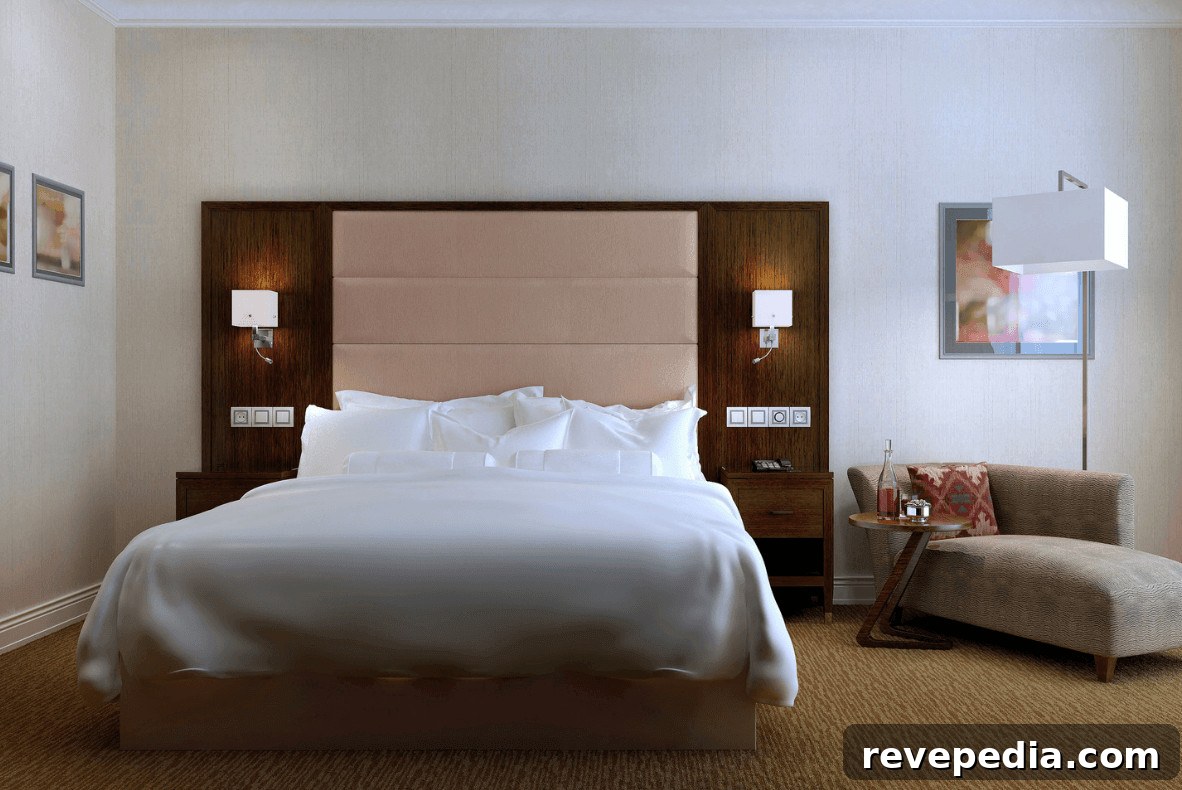
We’ve all stayed in a guest room that felt like an afterthought: a cold spare space with a lumpy mattress, no bedside lamp, and nowhere sensible to put your belongings. A truly great guest room, by contrast, makes visitors feel genuinely welcome and comfortable—and it doesn’t have to be expensive or complicated to create.
With a few considered choices focused on comfort and hotel-style touches, you can design a guest room people actually look forward to using. Below are practical ideas to turn your spare room into a calm, welcoming haven that showcases thoughtful hospitality.
Start With the Bed
The bed is the most important element of any guest bedroom. Guests will judge their stay by how well they sleep, so a supportive, comfortable mattress is essential. Even in a small room, investing in a mattress that offers good support and pressure relief changes the whole experience—your visitors are far more likely to leave refreshed instead of stiff or uncomfortable.
Pair the mattress with a sturdy frame and a supportive base so the bed feels stable and inviting. A properly made bed signals care and sets the tone for the rest of the room.
Get the Bedding Right
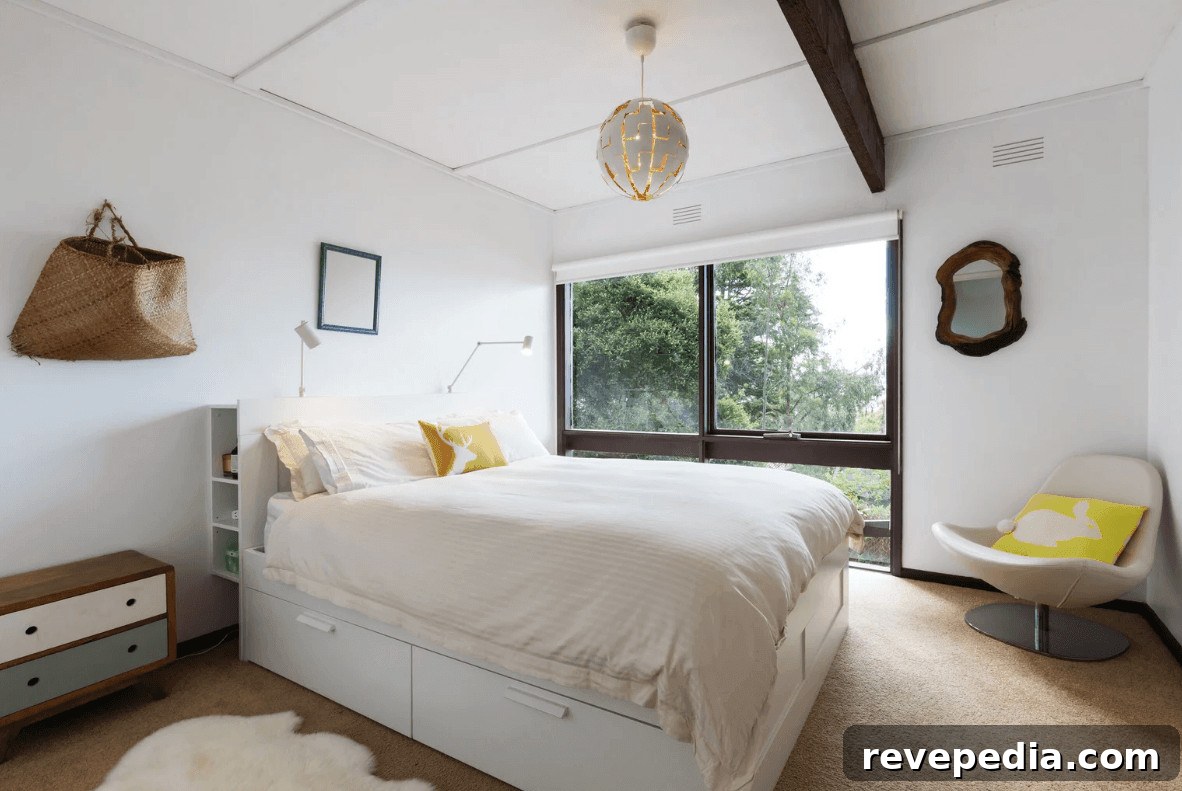
Bedding has a huge impact on comfort and perceived quality. Fresh, clean sheets in a breathable fabric, a good duvet or coverlet, and a couple of plump pillows give a hotel-like welcome. Provide layers—light sheets, a mid-weight cover, and an extra blanket at the foot of the bed—so guests can adjust to their own temperature preferences.
Choose durable, easy-care linens in neutral tones that feel fresh and inviting. Crisp bedding makes the room feel tidy and cared for, which is one of the quickest ways to make visitors feel at home.
Think Like a Hotel
Designing a welcoming guest room means anticipating needs. Think like a hotel: keep surfaces clear, provide a place to sit, include a mirror and good lighting, and make sure the essentials are within easy reach. A compact room can still feel well-appointed if you consider how a guest will move through and use the space.
Empathy and attention to detail go a long way. Put yourself in the guest’s shoes—what would you want most after a long journey? That perspective quickly reveals what your spare room might be missing.
Include Thoughtful Extras
Small touches transform a functional room into a memorable one. A carafe of water and a glass on the bedside table, an obvious place to charge phones, spare toiletries, and a few books or magazines all speak volumes. These extras cost little but communicate care and foresight.
Provide a list of practical information—Wi‑Fi details written clearly, quick instructions for heating or fan controls, and a note about any house routines. These gestures reduce awkward questions and help guests settle in smoothly.
Provide Space to Unpack
Guests appreciate somewhere to unpack. Finding nothing to hang clothes on or nowhere to store a few belongings forces people to live out of a suitcase, which is not relaxing. Clear a few wardrobe shelves, leave some spare hangers, free up a drawer, or supply a luggage rack or bench.
Making genuine space for visitors shows respect for their comfort and makes a small room feel considerably more functional and welcoming.
Get the Lighting Right
Lighting affects how inviting the room feels. Replace a single harsh overhead fixture with layered lighting: ambient light, a bedside lamp within easy reach, and a brighter task light near a mirror or reading chair. Bedside lamps are particularly important so guests can read and switch lights off without getting up.
Consider adjustable or dimmable lights to accommodate different preferences—flexible lighting instantly makes a room feel more thoughtfully designed.
Help Them Sleep
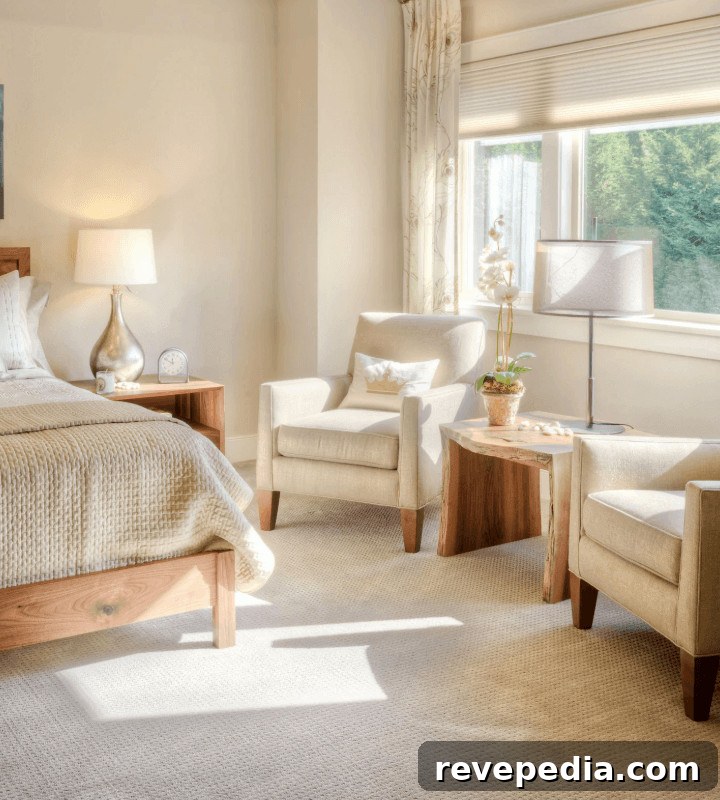
Control of light and noise is crucial for a good night’s rest. Install decent curtains or blinds that block early morning sun, and explain how to adjust heating or a fan so guests can find a comfortable temperature. Soft furnishings—rugs, curtains, and upholstered pieces—also help dampen sound if the room faces a busy street.
Anything that reduces disturbances and makes sleeping easy will be appreciated and remembered.
Add Personal Touches
A few personal details make a stay feel warm rather than transactional. Fresh flowers or a small plant, a handwritten welcome note, and a simple local guide or list of nearby amenities can make visitors feel valued. These touches cost little but leave a lasting impression.
Clear instructions for Wi‑Fi, a note about how household appliances work, and a friendly welcome message help guests relax and feel cared for from arrival.
Keep It Clean and Fresh
Cleanliness is fundamental. Spare rooms can get musty if rarely used, so air the space before arrival, wash bedding and towels, and ensure surfaces are dust-free. A light linen spray or subtle scent can be pleasant, but freshness and cleanliness are what matter most.
Presenting a tidy, well-aired room shows respect for your guests and sets the tone for a comfortable stay.
Mind the Bathroom Essentials
Provide bathroom basics clearly and accessibly. Fresh towels, shampoo, soap, extra toilet roll, and a small tray or shelf for a washbag make life easier for visitors. Little extras like a spare toothbrush, travel-sized toiletries, or a small packet of cotton pads are helpful for guests who may have forgotten something.
Anticipating these needs removes awkwardness and helps guests settle in without running around finding essentials.
Hospitality Made Tangible
Creating a guest room people want to stay in comes down to comfort, thoughtful details, and a few hotel-inspired touches. Start with a comfortable bed and quality bedding, provide practical storage and lighting, add small conveniences and warm personal touches, and keep the room clean and fresh.
Do this, and your visitors will leave feeling cared for and likely to return. A well-prepared guest room is hospitality made tangible—a generous, practical way to welcome the people you care about.