

Plenty of trade businesses start in a garage. A few commissioned tables become a waiting list, a neighbor’s deck repair turns into referrals, or a hobby welding setup begins producing railings and gates for paying customers. At some point the question shifts from “Can I build this?” to “Can I build a business around this?”
Skill with tools is an excellent foundation, but it’s not the whole picture. Once you start accepting payment, you must address pricing, materials, insurance, scheduling, customer expectations, and many small operational details that don’t arise when you build for your own home.
You don’t have to figure everything out at once. Begin by choosing the kind of work you want to focus on, understand the real costs to deliver that work, and then shape the business around the skills and tools you already have.
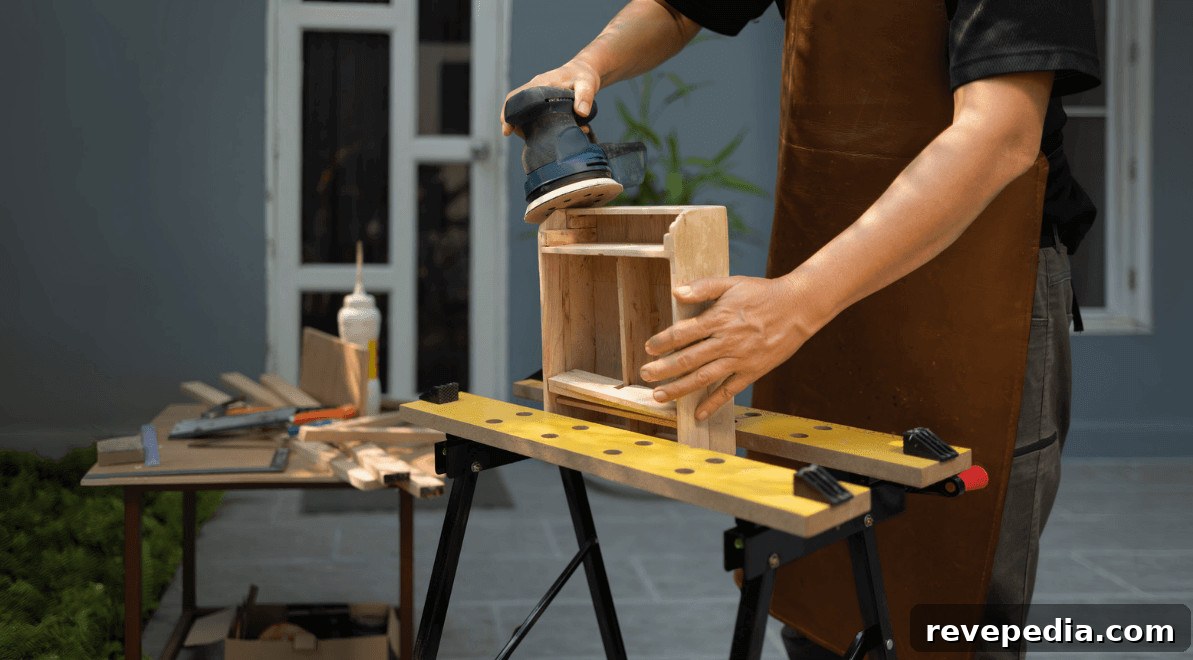
Decide What Kind of Trade Business You’re Building
DIY skills can lead to very different types of businesses.
A furniture maker might spend most of the week in a workshop; a handyman could spend the majority of their time traveling between customer homes. Someone who builds custom shelving may split time between shop fabrication and on-site installation.
Most small trade businesses fit into one of these basic models:
- Product-based: Custom furniture, cabinetry, metal art, or restored pieces. These businesses control production timing but take on material and inventory costs.
- Service-based: Handyman work, deck building, tile installation, trim carpentry, repairs, and small remodels. Travel, scheduling, licensing, and working in occupied homes are significant considerations.
- Hybrid: Building custom pieces in the shop and installing them on-site, such as built-in shelving, mantels, and cabinetry.
Decide which model will make up most of your work before investing heavily. A stationary furniture shop requires a different setup than a mobile repair business, and each needs different tools and space.
Start With a Problem Customers Already Have
It’s tempting to base a business on what you love to make. Sometimes that works, but it’s wiser to confirm that customers in your area actually need what you plan to offer.
For example, a woodworking business doesn’t need to stop at “handmade furniture.” You might specialize in built-ins for awkward spaces, replacement cabinet doors, or custom pieces for homes where standard sizes don’t fit. A handyman could target the smaller jobs bigger contractors often ignore, such as sticking doors, damaged trim, drywall patches, and fixture replacements.
Before spending much money, you can learn a lot by researching your local market:
- Ask former clients, neighbors, or local real estate agents which jobs are hard to find help for.
- Read reviews of nearby contractors and makers and note recurring complaints.
- Watch neighborhood groups and local marketplaces for common requests.
- Notice jobs that established shops have long waiting lists for or avoid taking.
A few conversations won’t produce a full business plan, but they can reveal whether your idea solves a real customer problem before you fill the garage with equipment.
The Job Changes When Someone Is Paying You
Building a bookcase for your own living room is different from building one in a customer’s home.
At home you can leave tools out overnight, change the design mid-project, or take another weekend to finish. A paying customer expects a clearer timeline and a finished result without their home turning into a long-term workshop.
That means thinking beyond the build. Protect floors before bringing tools inside. Plan dust control. Photograph the work area before you start if pre-existing damage could lead to disputes. Discuss any design changes before making them, especially if they affect price.
Cleanup matters. Sawdust in a hallway or packaging left beside the driveway can shape a customer’s opinion of your work as much as a well-cut joint.
This is one of the biggest adjustments when moving from DIY to professional work: craftsmanship still matters, but so do all the services and behaviors that surround the craft.
Get the Legal and Insurance Basics in Place
Selling to the public changes your responsibilities. Before accepting paid work, check the rules and requirements where you operate.
Depending on the work and location, that may include:
- Business registration with your city, county, or state.
- Contractor licensing for certain types or sizes of projects; requirements vary by jurisdiction.
- Liability insurance, especially if you enter customers’ homes or make products people will use regularly.
- Permits for structural, electrical, plumbing, or mechanical work when applicable.
- Home workshop rules, such as zoning, noise restrictions, HOA requirements, and fire codes.
Don’t assume that being comfortable doing a project at home means you can legally sell the same service professionally. Verify the rules before moving into regulated trade work.
Price for Your Time, Not Just Your Materials
Weekend projects can hide real costs.
A piece that costs $30 in lumber and hardware may take four hours to build, another hour to sand and finish, and 30 minutes to answer messages and arrange pickup. Materials are only a fraction of the total cost.
Price should account for:
- Materials, including waste and offcuts
- Your labor
- Consumables like blades, sandpaper, finishes, fasteners, and adhesives
- Insurance, software, utilities, vehicle costs, and workspace
- Tool maintenance and eventual replacement
- Taxes
- A margin to reinvest in the business
For on-site jobs, include time spent loading the truck, driving, buying forgotten supplies, setting up, and cleaning afterward.
Track your hours closely in the early stages. You may find that a repair you thought took two hours regularly occupies half a day once setup, travel, and cleanup are included.
Know Where Your Startup Money Will Go
Starting a business is a good reason to buy better tools, but not every desirable tool is a necessary expense right away.
Separate early purchases by function:
Essential expenses are required to complete jobs safely and properly: core tools, safety equipment, licenses, and insurance.
Revenue-supporting expenses let you take on work you otherwise couldn’t or make jobs noticeably more efficient—examples include a larger table saw, better dust collection, a trailer, or installation tools.
Nice-to-have items can wait.
A piece of equipment that’s fundamental for one shop might be unnecessary for another. Don’t buy a new truck simply because you have a logo; upgrade when a vehicle genuinely limits the jobs you can take. Keep cash reserves for unexpected failures, price fluctuations, or slow-paying clients. Tools break, tires go flat, and suppliers increase prices.
As the business grows, larger investments such as a bigger workshop, a second vehicle, or bulk material purchases may be needed. If borrowing is part of the plan, base repayment on realistic, current revenue rather than optimistic future sales.
Build a Reputation Customers Can See
For a small trade business, finished work is often the best marketing you have.
Photograph projects when they’re clean and newly finished. Capture progress shots that show joinery, surface preparation, or hidden structure—these details help potential customers understand the quality behind the finished piece.
You don’t need an expensive agency to present a professional presence. Consistency between what you promise and what customers experience matters most.
Good habits include:
- Keep a portfolio. Take clear before, during, and after photographs.
- Ask for reviews. Request feedback soon after a successful job.
- Show the work. Short videos of fabrication, finishing, or installation can demonstrate skills that photos alone may not convey.
- Communicate well. Provide written quotes, realistic timelines, and timely responses when plans change.
Reliable work and documented projects often matter more than elaborate branding.
Compete on More Than Price
A one-person shop typically can’t match a large operation on material costs or overhead. Constantly trying to be the cheapest leaves little margin for unexpected delays.
Small operators have other advantages: flexibility with custom dimensions, willingness to accept small or awkward repair jobs larger contractors won’t touch, and direct access to the person actually doing the work. Specialization can also help—repairing details in older homes, working with reclaimed materials, or focusing on compact built-ins are examples.
Study local competitors to understand the market, but don’t copy a business that has different overhead, crew size, or customer base. Build a business that aligns with your strengths.
Set Up the Shop and the Business So Both Are Easy to Run
Good business systems resemble a well-organized workshop: the things you use most should have a place.
With only a few jobs, keeping everything in your head can work. As customers grow, that approach leads to missed material orders or lost callbacks.
Create repeatable processes for common tasks:
- Handling new inquiries and site visits
- Preparing quotes and contracts
- Ordering materials
- Managing deposits and invoices
- Documenting projects with photographs
- Recording customer changes
- Conducting final walkthroughs
- Tracking callbacks and warranty issues
You don’t need specialized software at first. A spreadsheet, calendar, job folder, and checklists are often enough. The less time you spend hunting for information, the more you can focus on quality work.
Learn From the Jobs You’ve Already Done
Early customers reveal where your business needs improvement.
If multiple clients ask whether they need to clear furniture before you arrive, add that instruction to your appointment confirmation. If finish options cause confusion, include photos with quotes. If customers consistently praise your cleanup, make that a highlighted part of your service.
Repeated complaints deserve attention. One unhappy customer doesn’t always require a complete overhaul, but recurring problems should prompt changes.
Small shops can adapt quickly—update a checklist, try a different material, or revise an estimate template without complex approval processes.
Know When and How to Grow
Sooner or later you may face a backlog of work you can’t comfortably handle.
Growth doesn’t always mean hiring a full crew or renting a much larger building. Sometimes raising prices or narrowing your focus brings the schedule back under control.
Other options include:
- Hiring a helper or apprentice to handle prep, sanding, loading, and cleanup
- Subcontracting specialized, regulated work to appropriately licensed trades
- Investing in equipment that removes a production bottleneck
- Moving to a larger workshop when the numbers—not just enthusiasm—support it
Pay attention to what truly limits the business. If finishing capacity is the bottleneck, add finishing capacity. If administration consumes your week, buying another saw won’t help. Growth should solve problems, not create more.
Growth Comes From Better Decisions, Not Just More Hours
Turning weekend projects into paid work isn’t about buying every professional-grade tool or filling the calendar as fast as possible. It’s about knowing which jobs you do well, what they actually cost, and which investments will make future projects run more smoothly.
A one-person shop can compete without becoming a large contractor. Good workmanship, fair pricing, clear communication, and a reputation built one finished project at a time will take a maker a long way. Grow when the workload calls for it, and let the shop, tools, and business systems evolve alongside the skills that started the venture.