Creating an attractive, welcoming yard is a rewarding project for many homeowners. Thoughtful landscaping not only enhances curb appeal but also adds usable outdoor living space and personal satisfaction.
Understanding the Basics of Landscaping
Before starting specific projects, it’s important to grasp landscaping fundamentals. Careful planning is the foundation of a cohesive, visually pleasing design that suits your needs.
Importance of Planning in Landscaping: Begin by evaluating your yard’s size, shape, existing features, and how you want to use the space. A clear plan helps you prioritize areas that need attention and guides plant and hardscape placement for a balanced result.
Essential Tools for DIY Landscaping: Equip yourself with basic tools—shovels, rakes, pruners, a wheelbarrow, gloves, and a good hose. Having the right tools makes tasks safer and more efficient.
Decide on an overall style—formal and structured, natural and relaxed, modern minimalist, or cottage garden—and let that vision direct material and plant choices. Also consider your local climate and soil conditions: choose plants adapted to sunlight, moisture, and soil types to reduce maintenance and improve long-term success.
Creating a Landscape Design
A thoughtful design brings your landscaping vision to life. Consider the layout, plant palette, focal points, and how different areas will function together.
Design with both appearance and usability in mind. Think about pathways, seating areas, play zones, vegetable beds, and how people will move through the yard. Function-driven design creates spaces that are both beautiful and practical.
Sketching Your Yard Layout: Start with a simple sketch showing property lines, existing structures, trees, and utilities. Add desired features—patios, paths, beds—and tweak the plan before any digging begins. This reduces costly mistakes and helps sequence work logically.
Choosing Plants and Trees: Select a mix of trees, shrubs, perennials, and groundcovers to provide year-round interest, structure, and habitat for local wildlife. Prioritize native and climate-appropriate species to conserve water and resist pests. Stagger bloom times and foliage textures to keep the landscape dynamic through the seasons.
DIY Landscaping Projects
With a plan in place, tackle DIY projects that add character and function. Start with manageable tasks and build complexity as your skills and confidence grow.
Building a Garden Path: A well-placed path guides movement and connects outdoor rooms. Use materials like stepping stones, gravel, pavers, or mulch depending on budget and style. Keep the path width comfortable for two people if it’s a main route, and consider gentle curves to create visual interest and reveal views progressively.
Installing a Water Feature: A fountain, pond, or small waterfall can be a tranquil focal point. Balance scale with your yard size—larger installations require more maintenance and safety considerations. Plan for pump access, electrical needs, and appropriate plantings around the water to blend it naturally into the landscape.
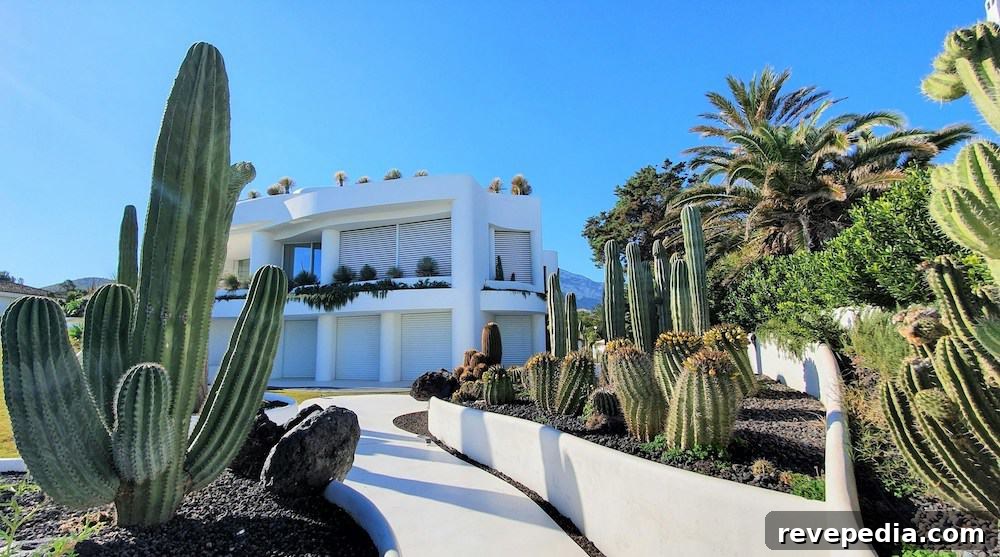
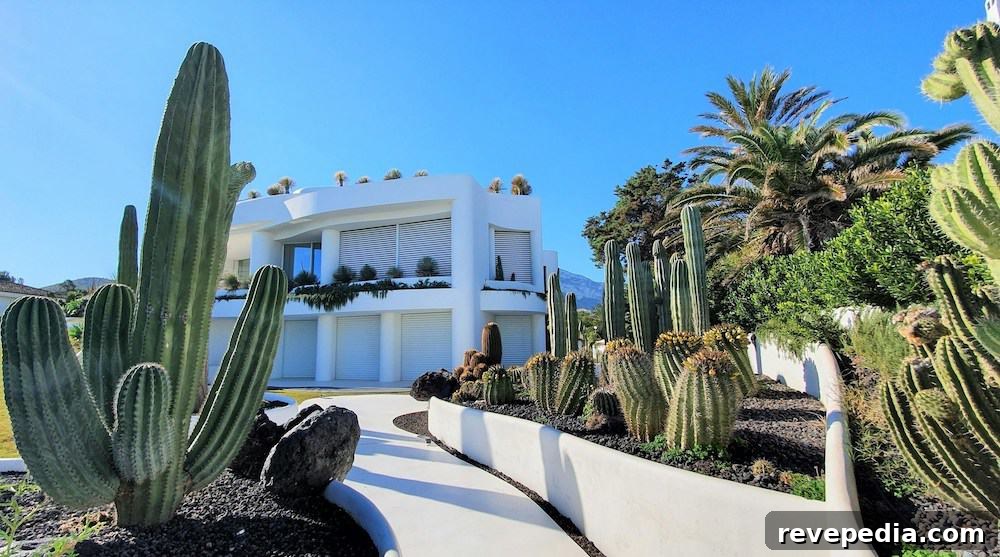
Creating a Rock Garden: Rock gardens are low-maintenance and visually striking. Choose a sunny, well-drained spot and arrange rocks of varying sizes for a natural look. Plant drought-tolerant, low-growing species such as succulents, alpine perennials, and native grasses to complement the stones and reduce water use.
Maintaining Your Landscape
After installation, regular care preserves your landscape’s health and appearance. A consistent maintenance routine prevents small issues from becoming major problems.
Monitor soil health by testing pH and nutrient levels periodically. Amend soil with compost or recommended fertilizers to support plant vigor. Aerate compacted areas to improve root growth and water infiltration.
Regular Pruning and Weeding: Prune shrubs and trees to maintain form and encourage healthy growth. Remove weeds promptly to reduce competition for water and nutrients.
Watch for pests and diseases and address problems early. Favor integrated pest management: encourage beneficial insects, use cultural controls, and resort to targeted treatments only when necessary. This keeps your garden balanced and reduces chemical use.
Proper Watering Techniques: Water deeply and less frequently to encourage strong root systems. Consider drip irrigation or soaker hoses for beds to deliver water efficiently and reduce evaporation. Adjust watering by season and plant needs rather than relying on a fixed schedule.
Seasonal Landscaping Tips
Adjust tasks by season to keep your yard attractive and resilient year-round.
Preparing for Winter: In colder climates, protect tender plants with mulch, move container plants indoors, and winterize irrigation systems. Clean up fallen leaves and dead plant material to reduce disease and pest habitat.
Spring Refresh: Use spring to assess winter damage, divide perennials, prune as needed, and add fresh mulch. Plant seasonal bulbs and annuals for immediate color, and plan any larger projects while the ground is workable.
By planning carefully, choosing appropriate plants, and maintaining your landscape through the seasons, you can transform your yard into a beautiful, functional outdoor haven. Start with small projects, learn as you go, and enjoy the satisfaction of shaping your outdoor environment.