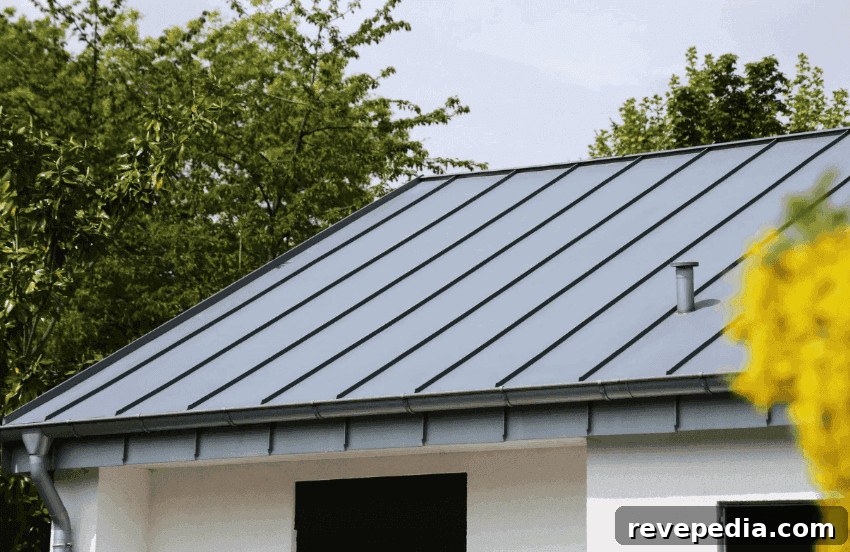
Choosing the right roofing material is a critical decision for homeowners, particularly in areas with intense sunlight and high temperatures. The roofing you select affects comfort, energy costs, and the long-term performance of your home.
This article explains how roofing materials interact with solar heat, compares metal roofs to other common options, and outlines the best choices for hot climates. It also covers color, finishes, and installation factors that determine how well a roof manages heat.
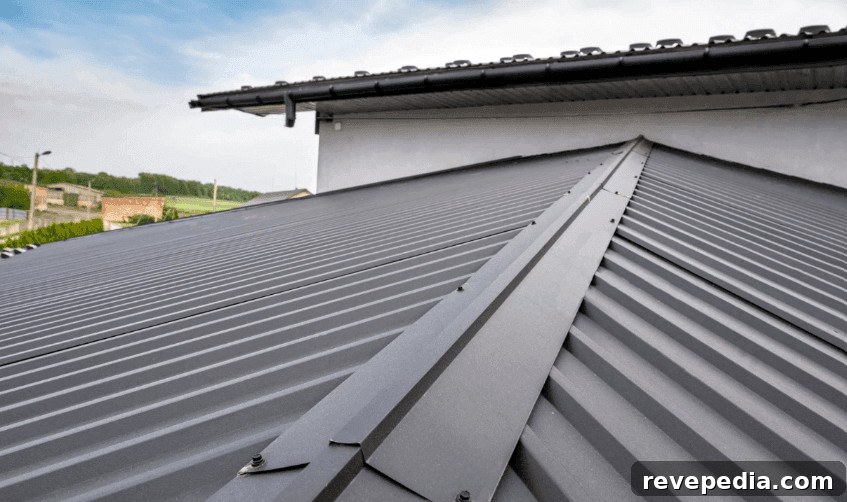
How Roofing Materials Interact With Sun and Heat
Every roof absorbs some portion of the sun’s energy. The important question is how much of that energy is reflected back into the atmosphere and how much is transferred into the attic and living spaces.
When sunlight hits a roof, three outcomes occur:
- Part of the energy is reflected into the atmosphere.
- Part is absorbed by the roofing material itself.
- Part is transmitted as heat into the attic and the interior of the home.
A roof’s thermal behavior depends primarily on three properties:
- Reflectivity (solar reflectance): the percentage of solar radiation bounced away from the roof.
- Emissivity: how effectively the material re-emits absorbed heat as infrared radiation.
- Color and finish: lighter and more reflective finishes reduce heat absorption compared with darker, matte surfaces.
Do Metal Roofs Make Homes Hotter?
Metal roofs do not inherently make a house hotter. In many installations, they perform better at managing solar heat than traditional roofing materials—provided the roof system is designed and installed with thermal performance in mind.
Why Metal Roofs Can Be Cooler
- Higher reflectivity: Metal surfaces reflect a significant share of incoming solar radiation, and reflective coatings can enhance this trait.
- Rapid heat release: Metal conducts heat efficiently, so it warms quickly in sunlight but also cools rapidly when the sun sets or shade appears.
- Compatibility with ventilation and insulation: When paired with good attic ventilation and adequate insulation, a metal roof helps limit heat transfer into living spaces.
Although a metal roof’s surface may feel hot to the touch under direct sun, that surface temperature does not automatically equate to increased indoor heat if the roof system includes proper underlayment, ventilation, and insulation.
Metal vs. Asphalt Shingles: Which Stays Cooler?
When properly specified and installed, metal roofing typically keeps attics and homes cooler compared with conventional asphalt shingle roofs.
Asphalt Shingles
- Often absorb more solar energy due to darker granules.
- Can retain heat for longer periods, raising attic temperatures.
- Require well-optimized ventilation and insulation to avoid heat gain.
Metal Roofing
- Reflects a larger percentage of sunlight, particularly when using reflective or “cool roof” coatings.
- Sheds heat more quickly, reducing sustained attic heat buildup.
- Often outperforms standard shingles in hot climates when integrated into a complete roof system.
For many homeowners in warm regions, a properly designed metal roof reduces peak attic temperatures compared with standard asphalt shingles.
Top Roofing Materials for Hot Climates
If managing heat is a top priority, consider these roofing materials and their strengths:
1. Metal Roofing
- Excellent heat reflection with the right coatings.
- Long lifespan (often 40–70+ years) and low maintenance.
- Lightweight compared with tile and compatible with cool-roof finishes.
2. Tile Roofing (Clay or Concrete)
- Natural thermal mass and inherent breathability help moderate heat transfer.
- Well-suited to hot, dry climates and durable over decades.
- Heavier and usually more expensive to install but effective at reducing indoor heat gain.
3. Cool Roof Shingles (Reflective Asphalt)
- Cost-effective alternative that uses reflective granules to limit heat absorption.
- Lower installation costs than metal or tile while improving thermal performance over standard shingles.
4. Slate Roofing
- Natural stone with strong thermal stability and long service life.
- High upfront cost and heavy weight, but performs well thermally when properly installed.
Each option involves trade-offs among cost, aesthetics, longevity, and thermal performance. In many hot climates, metal and tile offer the best blend of heat management and durability.
Color, Finish, and Cool Roof Technology
Color and finish significantly influence how a roof handles solar energy:
Light and Reflective Colors
- Colors such as white, light gray, tan, and pale earth tones reflect more sunlight and reduce heat absorption.
- Using lighter colors typically lowers cooling loads and energy costs.
Dark Colors
- Absorb more solar energy and can contribute to higher attic temperatures.
- Modern cool-roof pigments can improve thermal performance even in darker shades by increasing reflectivity and emissivity.
Today’s metal roofing finishes often incorporate engineered pigments and reflective additives that boost solar reflectance and infrared emissivity, allowing for better thermal performance across a wider range of colors.
Installation Factors That Matter
Material selection is only one part of the equation. Proper installation is essential to achieve the promised thermal benefits:
- Ventilation: Well-designed ridge, soffit, or gable vents and proper attic air circulation reduce heat buildup.
- Insulation: Adequate insulation limits conductive heat transfer from the roof to living spaces.
- Underlayment: High-quality underlayment can reduce radiant heat gain and improve moisture management.
- Coatings and finishes: Cool roof coatings and reflective paints increase both reflectivity and emissivity for better performance.
A complete, professionally installed roof system — not just the surface material — delivers consistent heat-management results.
Energy and Comfort Benefits
In hot climates, reflective metal roofing combined with good attic design can deliver measurable benefits:
- Lower cooling costs and reduced energy consumption.
- Reduced peak cooling demand during hot afternoons.
- Improved indoor comfort and more stable interior temperatures.
- Potential long-term savings over the life of the roof.
When metal roofing is integrated with proper ventilation, insulation, and underlayment, it can outperform many conventional roofing systems in terms of energy efficiency.
Conclusion
For most hot climates, metal roofing—when combined with appropriate installation methods, ventilation, insulation, and reflective finishes—does not make a house hotter. On the contrary, a well-designed metal roof can reduce attic heat gain, lower cooling expenses, and improve overall indoor comfort. If heat management and long-term durability are priorities, metal roofing is among the strongest choices available. Work with a qualified roofing professional to select the best materials, colors, and installation techniques for your specific climate and home.