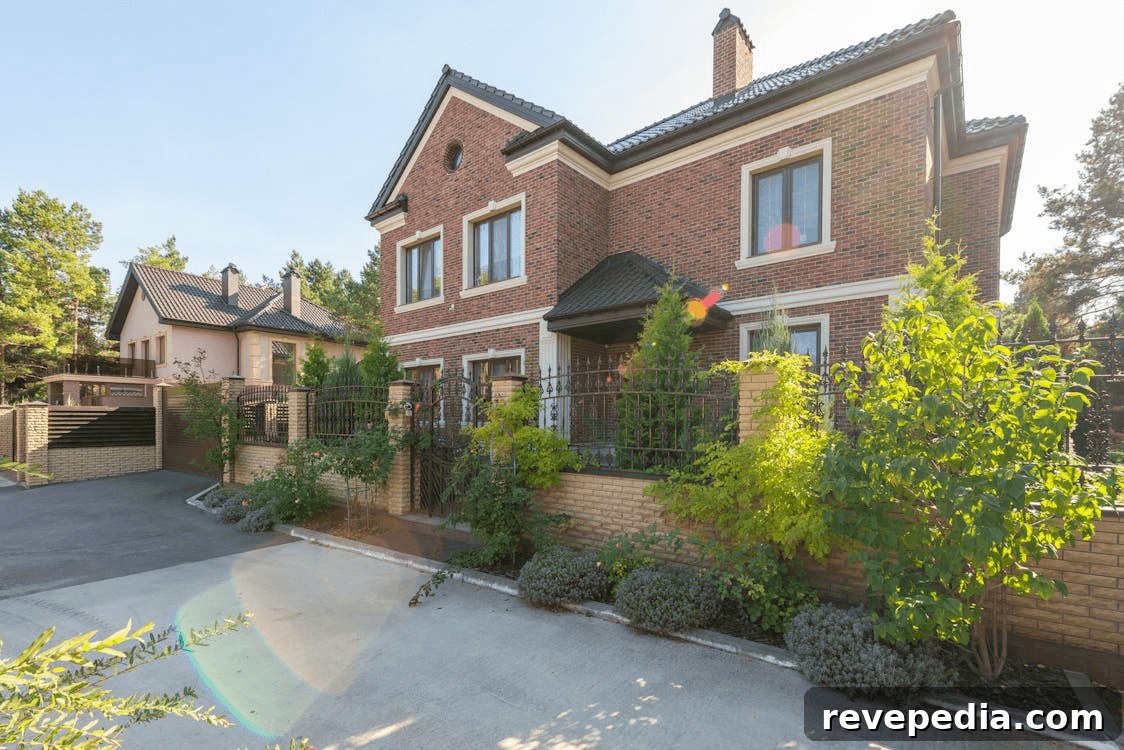
Foundation issues can escalate from minor nuisances into serious structural problems if they are not addressed promptly. What may seem like an insignificant hairline crack in drywall, a door that sticks intermittently, or a small gap in trim can be the first visible signs of underlying movement beneath the home. Because the foundation supports the entire structure, even modest shifts in the soil or footing can cause damage throughout the property over time.
Homeowners who face foundation settlement typically want solutions that deliver long-term stability rather than short-lived cosmetic fixes. For many properties experiencing ongoing soil movement or repeated settlement, drilled pier repair—also called drilled piers or deep pier installation—has become a preferred method because it addresses the underlying support system rather than just treating surface symptoms.
Understanding What Causes Foundation Problems
Foundation damage often begins out of sight. Changes in the soil under and around a home—caused by extended drought, heavy rainfall, poor drainage, landscape irrigation, expansive clay soils, or natural consolidation—can shift the load-bearing capacity of the ground. Soil expansion and contraction exert uneven pressure on footings and slabs, and over months or years this can lead to differential settlement where one section of the foundation sinks more than another.
These subsurface shifts rarely resolve on their own. As the ground moves, it transmits stress to the structure above, which can manifest as cracked brickwork, uneven floors, doors and windows that bind or gap, and separation of trim or molding. Recognizing early warning signs—such as small horizontal or stair-step cracks in masonry, slight floor slopes, or hairline cracks near windows and doors—allows homeowners to seek professional evaluation before damage widens.
Regular inspection of the home’s perimeter, grading, downspouts, and gutters is also important because poor site drainage and concentrated water flow can accelerate soil movement. Addressing drainage problems early reduces the severity of foundation distress and increases the effectiveness of subsequent repair methods.
How Drilled Pier Repair Creates Long-Term Stability
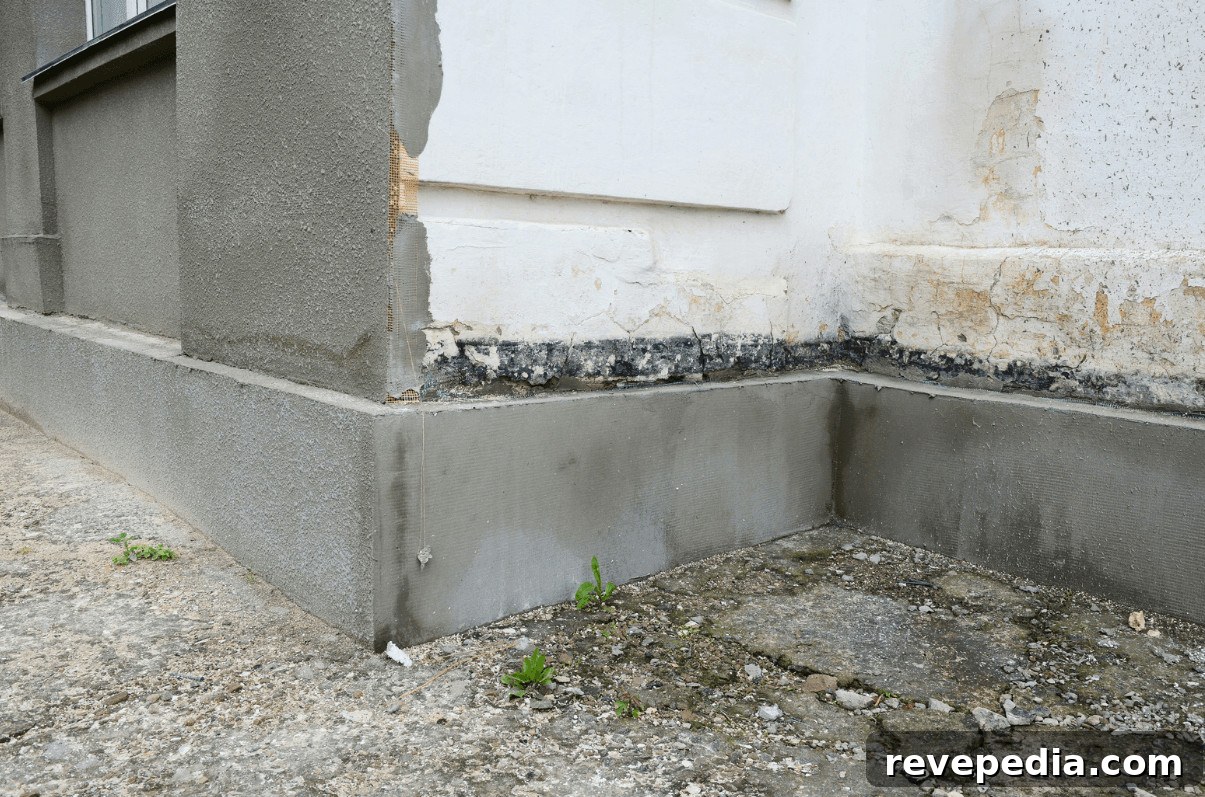
Drilled pier repair is a deep-foundation technique that transfers the home’s loads to stable soil or bedrock well below the zone affected by surface moisture changes. Technicians drill through unreliable near-surface soils and install steel-reinforced concrete piers or piles that bear on competent strata. The weight of the structure is then carried by these deep piers instead of the shifting shallow soils.
Because the piers reach deeper, more consistent layers, they help reduce future differential settlement and can sometimes be used to lift and re-level portions of the foundation. Unlike patching cracks or bolting beams to existing footings, drilled piers provide a structural improvement that persists even if surface soils continue to expand and contract with seasonal moisture variation.
For homeowners dealing with repeated settlement, cracked masonry, or progressive structural movement, drilled piers are often recommended as a durable, engineered solution. A qualified foundation contractor will evaluate soil conditions, foundation type, and load requirements to design a pier layout suited to the specific property.
Signs You Should Not Wait to Address Foundation Damage
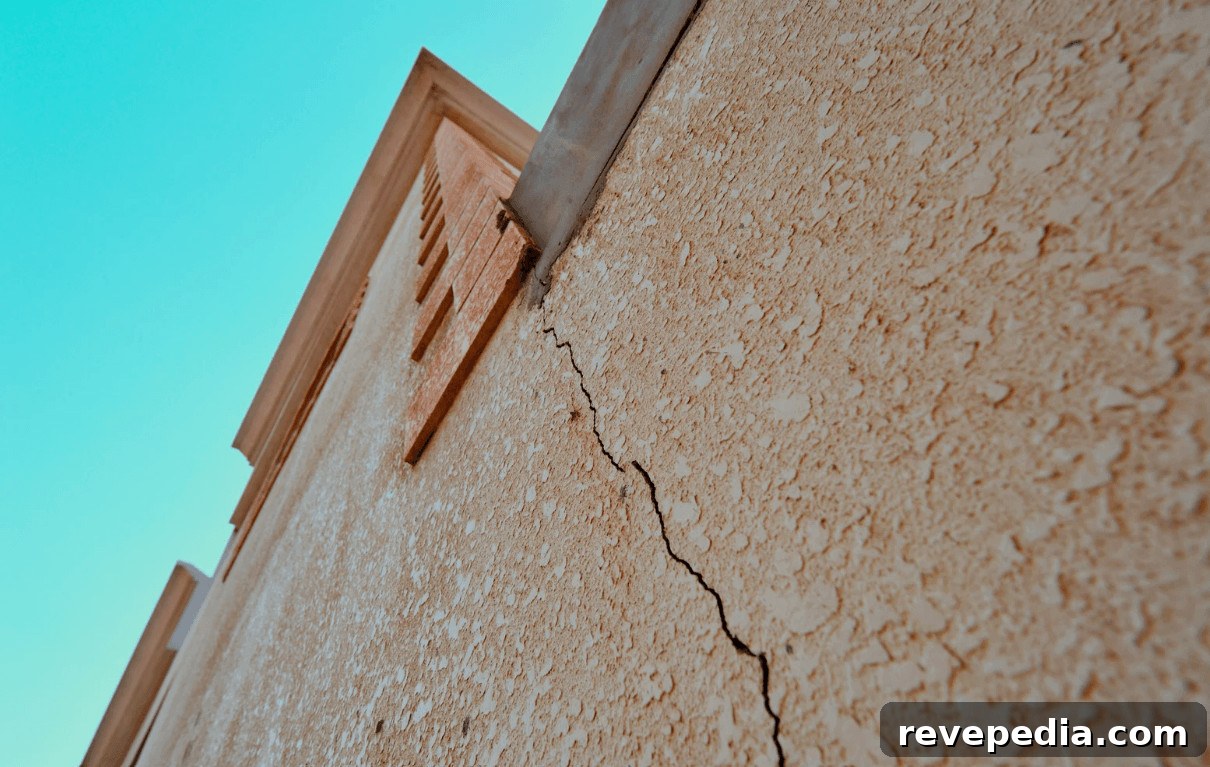
Foundation problems typically spread beyond the initial area of movement. As the structure shifts, stress can propagate into interior walls, ceilings, floors, plumbing lines, and exterior finishes. Large vertical or diagonal wall cracks, noticeably sloping or bouncing floors, wide gaps around window and door frames, and separated cabinetry or countertops are signs that damage may be advancing.
Delaying repairs increases the risk that additional systems—such as mechanical, plumbing, and finish materials—will be affected, which raises overall repair costs. Early intervention can limit the extent of damage, reduce the scale of corrective work required, and preserve more of the home’s value and integrity.
Professional foundation inspections help identify problems while they are still manageable. Foundation specialists can recommend appropriate remedial measures based on the cause and severity of settlement. Companies offering foundation repair and pier installation can advise whether drilled piers, helical piers, underpinning, or other methods are the best long-term solution for a particular situation.
When settlement signs appear, choosing a long-term repair strategy such as drilled piers can protect your property investment and provide greater peace of mind. Prompt evaluation and action often result in better outcomes, lower overall repair costs, and a more stable home for years to come.