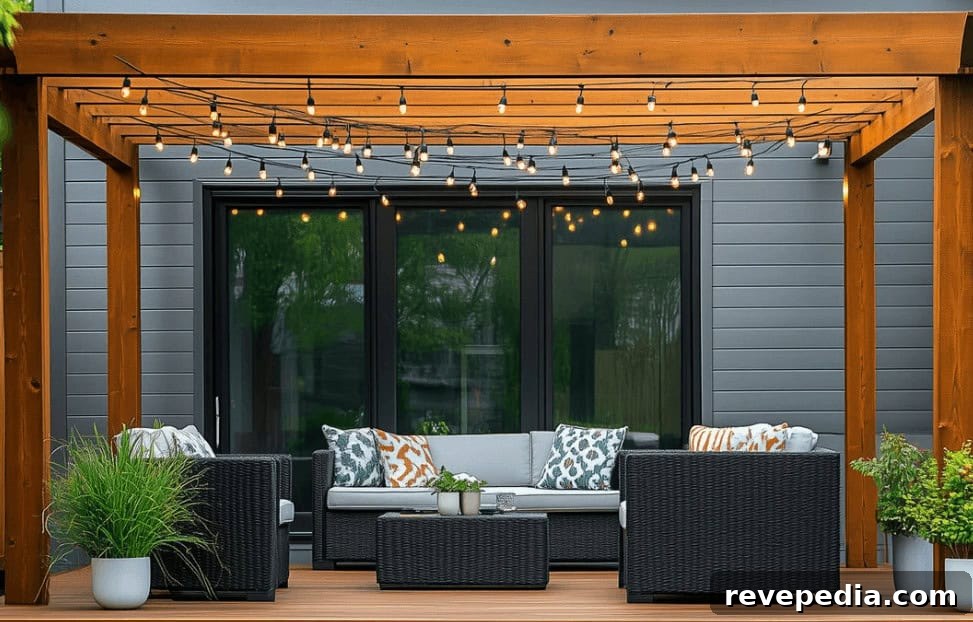
Creating an outdoor living space that works year-round requires more than comfortable furniture and attractive landscaping. To make a space that truly performs through changing seasons, you need thoughtful planning, durable materials, and flexible design elements that adapt to weather and different activities.
With many options for patio furniture available, it’s easy to choose based on style alone. But a long-lasting outdoor setup depends on selecting the right materials, planning the layout, and choosing components built for sustained exposure to sun, rain, wind, and humidity. Treating exterior living as a project—rather than a single purchase—will deliver better results and value over time.
High-Density Polyethylene (HDPE) Construction with Technical Precision
High-quality outdoor seating blends engineered materials and solid construction. HDPE furniture produced with stabilizers and solid-core extrusion methods offers superior resistance to environmental stress, such as UV exposure and fluctuating temperatures.
The chair frame is a primary structural element: it should provide sufficient weight and rigidity to remain stable in wind and everyday use. Premium collections often use concealed joinery and stainless steel fasteners to protect critical connections from corrosion caused by moisture, salt air, and humidity.
These construction details separate long-lasting pieces from lower-quality alternatives. Consistent manufacturing standards and robust materials help preserve the internal structure, ensuring seating remains reliable for years of comfortable outdoor use.
Advanced Fabric Protection and Surface Resilience
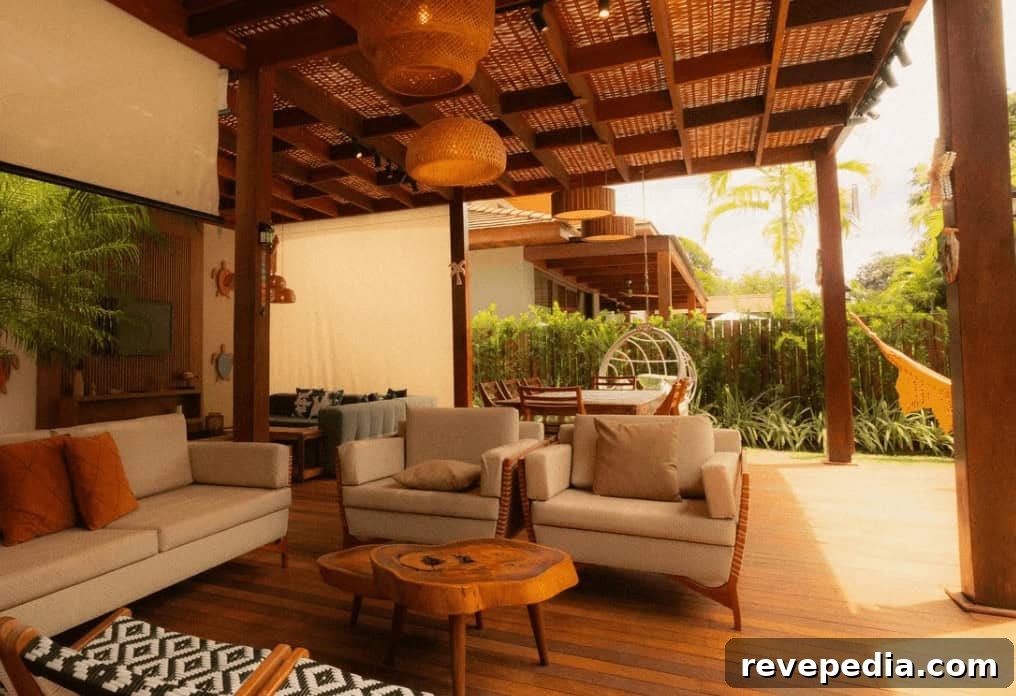
Cushions and umbrellas form the first line of defense against sun, moisture, and debris. Choosing the right fabric is crucial to retaining both appearance and function over time.
Solution-dyed acrylic fabrics—such as widely used outdoor textiles—resist fading, repel water, and help prevent mold and stains. These fabrics are engineered to withstand prolonged outdoor exposure without significant color loss or degradation.
Many modern deep-seating sets include “dry-fast” foam cores that allow moisture to drain quickly instead of remaining trapped inside the cushion. This reduces the risk of mildew and bacterial growth and extends the useful life of the cushions.
By prioritizing fabrics and foams that balance comfort with durability, homeowners can keep outdoor seating clean, comfortable, and long-lasting. The right material selection plays a major role in how well an exterior living space performs through wet summers and cold winters alike.
Logistical Coordination and Layout Planning for Multi-Functional Spaces
A functional outdoor living area requires careful layout planning so dining, lounging, and heating zones work together rather than competing for space. Thoughtful sequencing of elements creates comfortable microclimates and improves usability.
Designers often use a staged layout approach: placing larger elements such as seating groups, fire tables, and cantilever umbrellas first, then arranging smaller accents and pathways around them. This method helps define distinct zones that still feel connected.
To improve flow and usability:
- Place larger features first, including seating groupings and heating elements
- Keep clear pathways between zones for easy movement
- Position shade and heat sources to maximize comfort throughout the day and evening
Fire pits, patio heaters, and outdoor coolers work best when integrated intentionally into the layout. Use durable covers during the off-season to protect furniture and finishes, reducing maintenance and making seasonal transitions easier.
A coordinated layout ensures the outdoor space remains comfortable, safe, and ready for different uses across the year.
The Future of Smart Heating and Connected Outdoor Systems
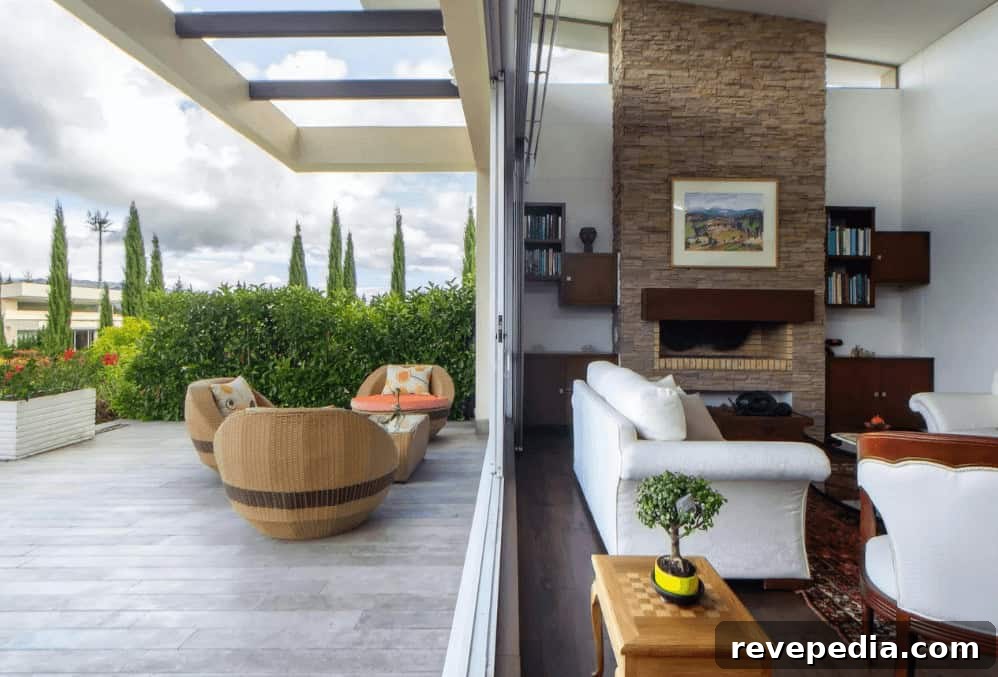
Outdoor living is becoming smarter and more convenient as heating and control systems evolve. Many modern fire tables include built-in ignition sensors and adjustable flame controls, improving safety and user experience.
Some units can integrate with a home’s central automation system, allowing remote monitoring and adjustment of settings. Connected controls make it easier to manage temperature, lighting, and other elements for consistent comfort and energy efficiency.
Integrating smart controls and improved mechanical design makes outdoor spaces more adaptable and user-friendly. These advancements enhance day-to-day comfort and reflect a broader trend toward more efficient and connected residential outdoor design.
Conclusion
By combining smart controls, weather-resistant materials, and thoughtful layout planning, homeowners can create outdoor environments that are functional, comfortable, and enjoyable year-round. Durable furniture, high-performance fabrics, and coordinated staging help ensure the space stands up to seasonal changes with minimal maintenance.
Features such as weatherproof seating, adaptable shade and heating solutions, and flexible accessories add versatility for family gatherings, neighborhood events, and seasonal celebrations. Together, these strategies create outdoor living areas that are both practical and inviting—reflecting the growing emphasis on efficient, connected, and family-focused design.