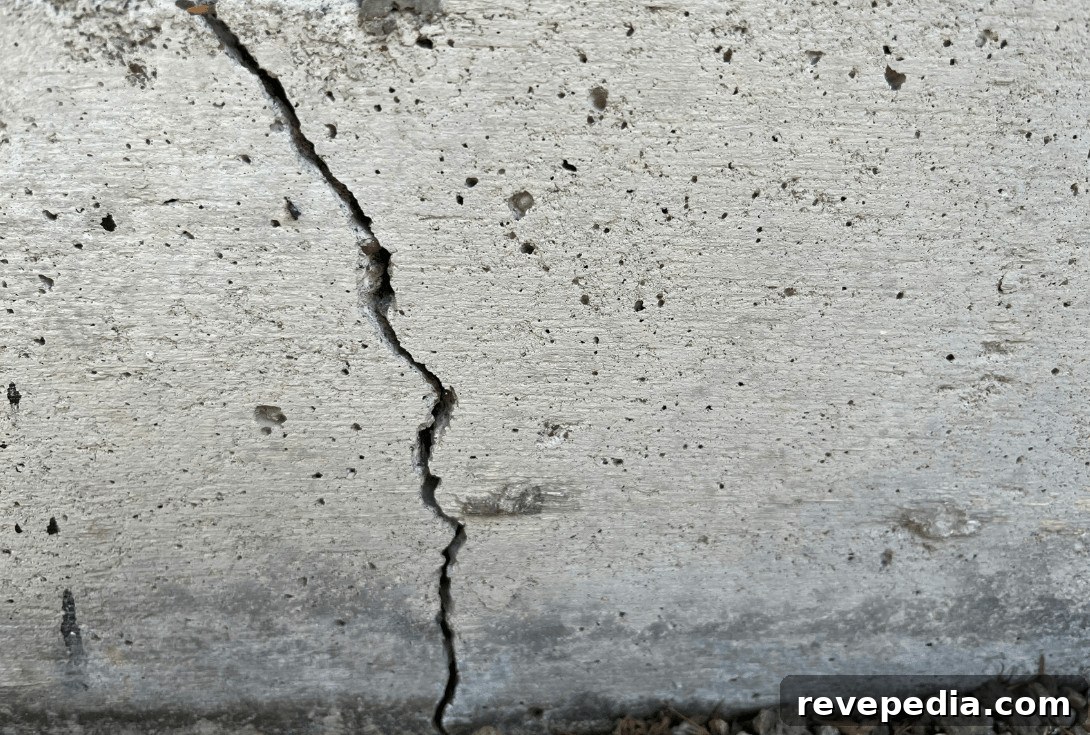
Few things alarm homeowners more quickly than discovering a crack in the foundation. Whether it’s a thin line across a basement wall or a jagged crack near a window, many people worry it signals a serious structural problem. The reality is more nuanced: some cracks are merely cosmetic, the result of normal settling and concrete curing, while others indicate active movement that requires prompt attention.
Knowing how to distinguish between harmless and concerning foundation cracks helps homeowners avoid unnecessary repairs, protect property value, and address real structural issues before they grow more expensive. This guide explains common causes, typical appearances of cosmetic cracks, warning signs of structural movement, and practical prevention and monitoring steps.
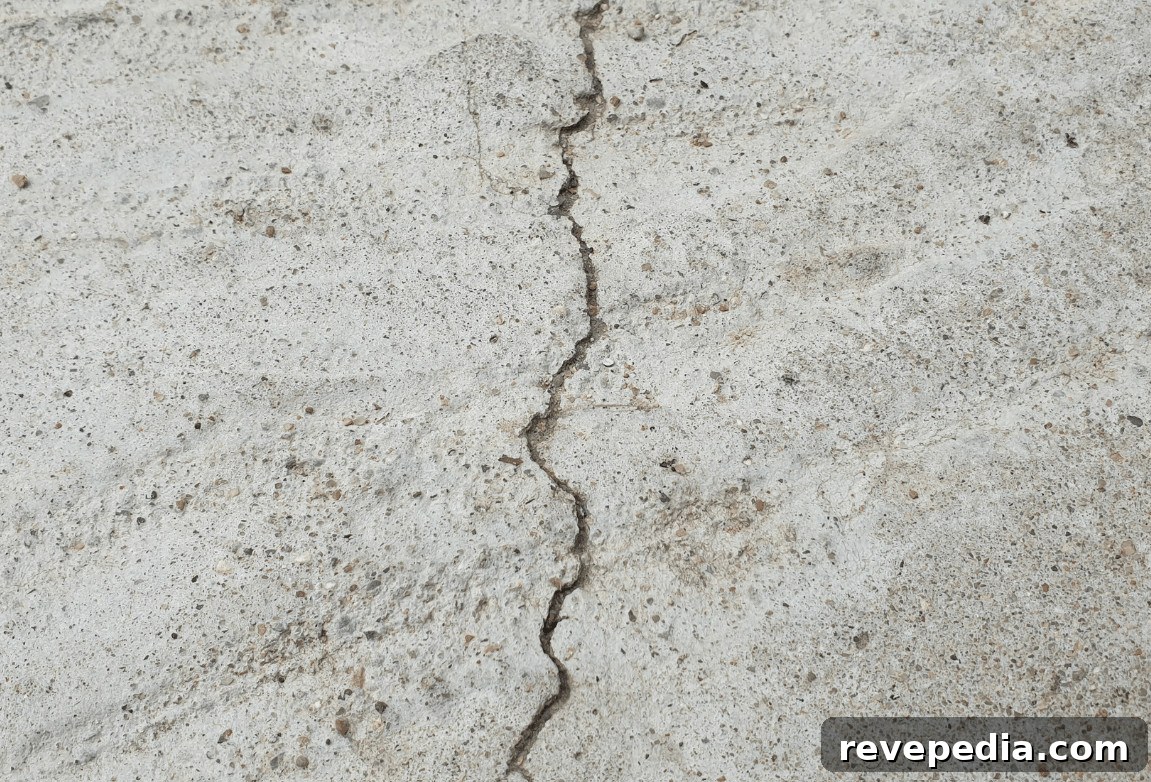
Why Foundation Cracks Occur
Concrete excels under compression but can develop cracks from movement and changing conditions. Soil beneath a home swells and shrinks with moisture changes, seasons, and temperature swings. Normal settlement after construction, freeze-thaw cycles, and fluctuating groundwater levels all create stresses that result in cracking.
Hairline cracks often appear as concrete cures during the first few years. Those fine lines typically remain stable and do not compromise the structure. The challenge is recognizing when a crack reflects ongoing movement rather than past settling.
Typical Characteristics of Cosmetic Foundation Cracks
Cosmetic foundation cracks usually share several traits:
- Very narrow width, often less than the thickness of a credit card.
- Straight, vertical orientation and little change over time.
- No visible wall bowing, no uneven floors, and no regular water entry.
- Often discovered during painting, cleaning, or basement finishing projects.
Even cosmetic cracks benefit from periodic monitoring. Take clear photographs and measurements every few months to confirm they remain stable. This simple documentation helps detect subtle changes before they become serious.
Signs a Crack May Be Structural
Some cracks require closer inspection because they suggest foundation movement or soil pressure. Be especially concerned if a crack is:
- Wider than about 1/4 inch.
- Stair-step shaped in masonry walls.
- Horizontal across a foundation wall.
- Accompanied by bowing walls, sticking doors or windows, sloping floors, or gaps between trim and walls.
- Allowing water intrusion after rainfall.
A single warning sign does not always mean severe damage, but multiple signs appearing together should prompt a professional evaluation. Documenting changes gives inspectors useful history to determine whether active movement exists.
Why Horizontal Cracks Are More Concerning
Horizontal cracks often indicate lateral pressure from saturated soil pushing against basement walls. Excess moisture can expand surrounding soil, applying force that bends or weakens the wall. If horizontal cracks widen or coincide with inward wall movement, delaying repair increases the risk of more extensive damage.
Stair-Step Cracks and Uneven Settlement
In brick, block, or stone foundations, cracks that follow mortar joints in a stair-step pattern commonly signal differential settlement. Small, stable stair-step cracks may be cosmetic, but larger or spreading patterns suggest that one area of the foundation is shifting more than another. Regular monitoring helps detect progressive movement.
Moisture’s Role in Foundation Problems
Water is a primary driver of many foundation issues. Poor drainage, clogged gutters, overflowing downspouts, improper grading, and hidden plumbing leaks increase soil moisture around the foundation. Wet soil expands; dry soil contracts. This repeated expansion and contraction places ongoing stress on the foundation and raises the likelihood of cracking and displacement.
Controlling moisture is one of the most effective strategies for reducing future foundation problems: ensure gutters and downspouts move water well away from the house, maintain proper grading, and fix leaks promptly.
Don’t Judge a Crack by Size Alone
The visual size of a crack is only one factor. Location, direction, depth, rate of growth, and how the surrounding structure behaves are all essential to determining whether a crack is cosmetic or structural. A thin vertical crack that has remained unchanged for decades is likely low risk, while a similar crack that widens quickly can indicate active movement.
Experienced foundation specialists typically assess the entire structure rather than evaluating a single crack in isolation. This broader approach produces more accurate diagnoses and appropriate repair plans.
Monitoring Cracks Before Repair
Not every crack requires immediate intervention. For smaller, likely cosmetic cracks, track them by photographing, measuring the width, and marking the ends with a pencil and date. If the crack stays consistent over time and no other symptoms appear, it may simply reflect normal settling.
However, if a crack widens, new cracks form, or other warning signs develop—especially after extreme weather—seek further evaluation promptly.
When to Get a Professional Assessment
Foundation concerns rarely resolve without action. Ignoring active movement usually leads to larger, costlier repairs. A professional inspection is advisable when:
- Cracks continue to grow over weeks or months.
- Water regularly enters through foundation walls or cracks.
- Multiple cracks appear across different areas of the home.
- Floors become uneven or slope noticeably.
- Basement walls begin to bow or lean inward.
- Doors and windows stick or fail to operate normally.
- New cracking follows heavy rainfall or prolonged drought.
Early assessment often yields more repair options and better long-term outcomes than waiting until damage is severe.
Preventing Future Foundation Issues
Not all foundation problems are avoidable, but many can be minimized through regular maintenance and sensible landscaping. Key preventive steps include:
- Keep gutters clean and downspouts extended away from the foundation.
- Grade soil to direct water away from the house.
- Repair plumbing leaks quickly and avoid overwatering near exterior walls.
- Be mindful when planting trees or shrubs near the foundation—large root systems can change soil moisture over time.
- Inspect the exterior periodically to identify and correct drainage problems before they affect the foundation.
Conclusion
Discovering a foundation crack does not automatically mean severe structural damage. Many small vertical cracks are cosmetic and result from normal concrete curing and minor settlement. The critical task for homeowners is to recognize warning signs that indicate active structural movement: widening cracks, horizontal or stair-step patterns, water intrusion, sticking doors and windows, uneven floors, and bowed walls.
Monitor cracks, manage drainage and moisture around the home, and consult a qualified professional when multiple warning signs appear. Timely attention preserves both the safety and value of the property and prevents small issues from developing into major, costly repairs.
Foundation specialists can provide a thorough evaluation when you suspect movement, and addressing drainage issues promptly is one of the best long-term strategies to protect your foundation.