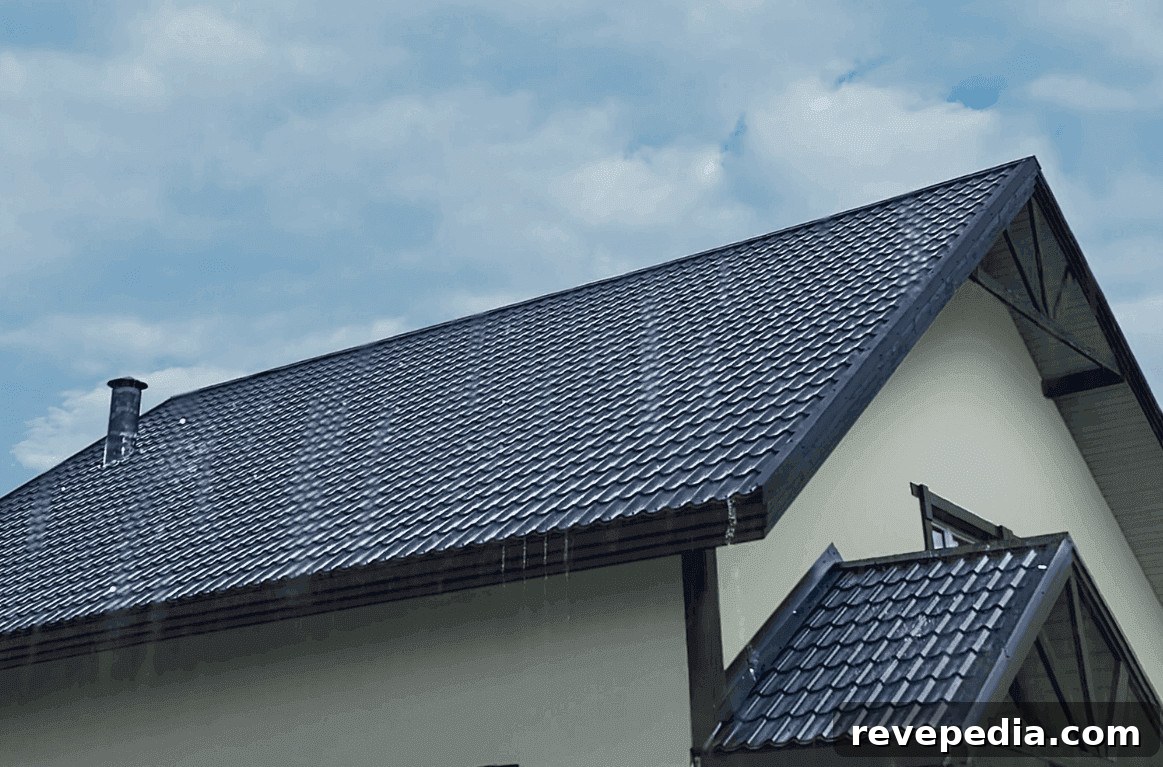
A gable roof is one of the most common roof styles in the United States. Its simple triangular shape sheds water and snow effectively, creates useful attic volume, and enhances curb appeal for many home styles.
If you are planning a new roof or converting an existing roof to a gable configuration, understanding gable roof cost factors and realistic price ranges is essential to make informed budgeting and design choices.
This updated 2026 guide explains current price ranges, the primary variables that affect pricing, and practical tips to plan and budget for your roofing project.
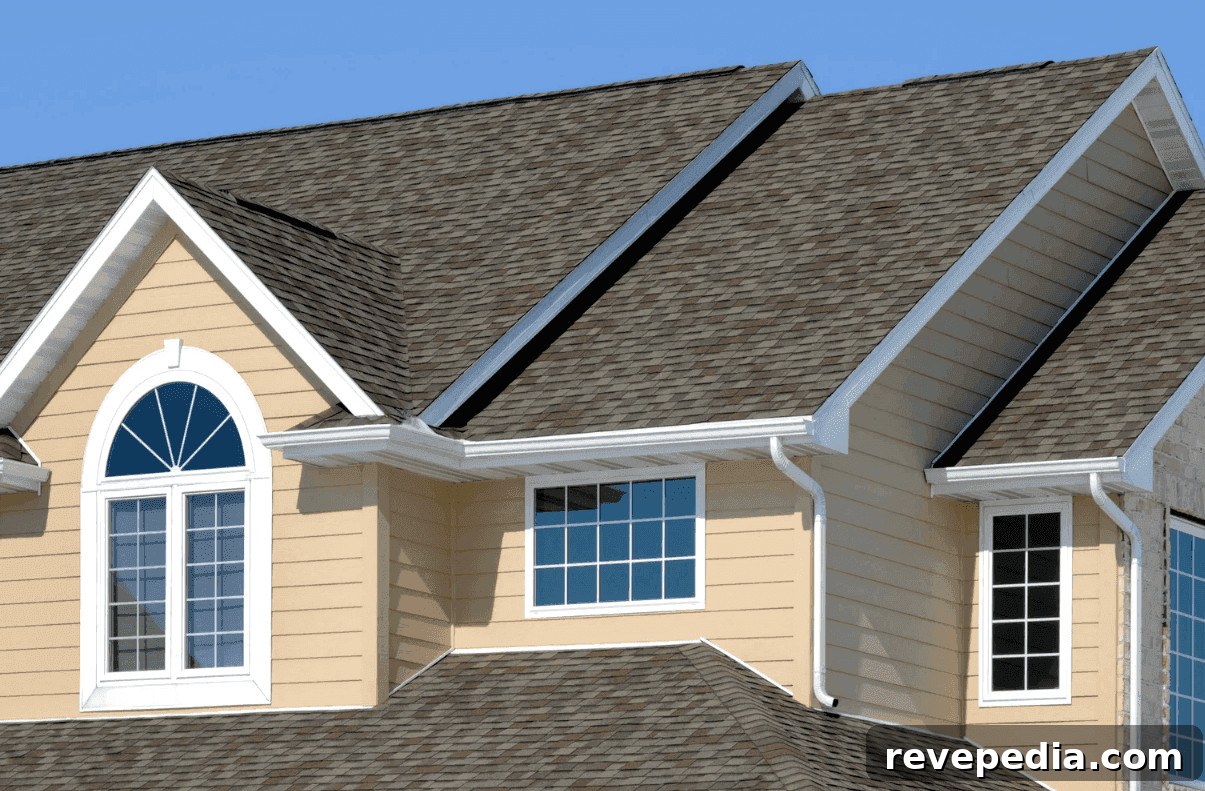
What Is a Gable Roof?
A gable roof consists of two sloping planes that meet at a ridge, creating a peaked or triangular profile at each end of the building. This straightforward form is favored for several practical reasons:
- Simple to design and build, which can reduce labor and engineering costs
- Efficient at shedding rain and snow, reducing the risk of water infiltration
- Relatively cost‑efficient when compared with more complex roof types
- Works with a wide range of roofing materials, including asphalt shingles, metal, and tile
Because of its simplicity, a gable roof frequently costs less to install than more complex designs such as hips, gambrels, or multi‑plane roofs.
Average Cost of a Gable Roof in 2026
Total installed cost for a gable roof varies by roof area, material choice, local labor rates, pitch, and site access. Typical 2026 installed price ranges for a full gable roof replacement or new installation on an average single‑family home are:
- Asphalt shingle gable roof: $8,000–$18,000
- Architectural (laminate) shingle roof: $10,000–$22,000
- Metal gable roof: $18,000–$35,000+
- Tile or slate gable roof: $25,000–$55,000+
These estimates reflect total project costs for an average roof area (roughly 1,500–2,000 sq ft of roof surface). Larger homes, steep roof pitches, complex rooflines, and premium materials or finishes will push costs toward the high end of each range.
Cost of Adding a Gable Roof to an Existing Roof
Converting an existing roof to a gable or adding a gable roof over an existing structure is more complex than a straightforward replacement. Structural framing changes, new sheathing, and possible changes to walls and openings increase labor and material needs. Typical 2026 cost ranges for conversions include:
- Basic gable conversion: $12,000–$25,000
- Mid‑range conversion with architectural shingles: $18,000–$35,000
- Upgraded conversions using metal or high‑end materials: $30,000–$55,000+
Because these projects involve structural work, they may require engineering, permits, and additional inspections, which should be included in your budget and timeline.
Key Factors That Affect Gable Roof Price
Several factors determine how much a gable roof will cost on your property:
Roof Size and Pitch
- Larger roof areas require more materials and labor, increasing the total cost.
- Steeper slopes are more difficult and hazardous to work on, which raises labor costs.
Roofing Material
- Entry‑level asphalt shingles are the most budget‑friendly option.
- Architectural shingles offer better durability and appearance at a moderate price increase.
- Metal, tile, and slate are longer lasting but come with higher upfront costs and sometimes higher structural requirements.
Labor Rates and Local Market
Labor costs vary considerably by region. Urban markets or areas with high demand for construction typically incur higher labor rates than rural or lower‑cost regions. Seasonal demand can also influence pricing.
Roof Complexity
Dormers, valleys, skylights, chimneys, and multiple intersecting planes increase installation time and require more flashing detail, all of which add to cost.
Tear‑Off and Disposal
Removing existing roofing and disposing of the old materials adds to the project. Typical tear‑off costs range from about $1.00 to $3.50 (or more) per square foot depending on the number of layers and local disposal fees.
How Material Choices Change the Price
Material selection affects both upfront cost and lifecycle expenses. Common options:
Asphalt Shingles
- Pros: Most affordable, widely available, quick to install.
- Cons: Shorter lifespan compared to premium materials; may require earlier replacement.
Architectural Shingles
- Pros: Improved durability, better wind resistance and aesthetic appeal.
- Cons: Moderate price increase over basic shingles.
Metal Roofing
- Pros: Long service life, energy efficiency benefits, good for steep pitches.
- Cons: Higher initial cost and occasional noise concerns during heavy rain unless properly insulated.
Tile or Slate Roofing
- Pros: Exceptional longevity and premium curb appeal.
- Cons: Heavier, often requiring additional framing reinforcement, and among the most expensive options.
Cost‑Saving Tips
Ways to manage costs without compromising long‑term performance:
- Obtain multiple bids: Collect at least three detailed written estimates from reputable local contractors to compare scope and pricing.
- Balance material and lifespan: Consider mid‑range options that offer better durability for a modest increase in cost.
- Plan timing: Scheduling work in off‑peak seasons can sometimes yield better pricing and availability.
- Bundle upgrades: Performing related upgrades—gutters, attic insulation, ventilation, or flashing—while the roof is open can reduce overall future disruption and unit costs.
When Gable Roof Upgrades Make Sense
Choosing a gable roof or upgrading materials typically makes sense when you want improved drainage and ventilation, a higher‑value aesthetic, or longer service life. Homeowners who plan to remain in their homes long term often recoup the investment through reduced maintenance and potentially higher resale value.
Conclusion
In 2026, expect installed gable roof costs to generally range from about $8,000 for a basic asphalt shingle job up to $35,000 or more for metal or premium installations. Converting an existing roof or adding a gable roof that requires framing changes typically starts at roughly $12,000 and can exceed $50,000 for high‑end materials and extensive structural work.
Careful planning, choosing the right materials for your climate and budget, and getting detailed quotes from experienced roofers will help you set realistic expectations and secure a durable, well‑installed gable roof for your home.