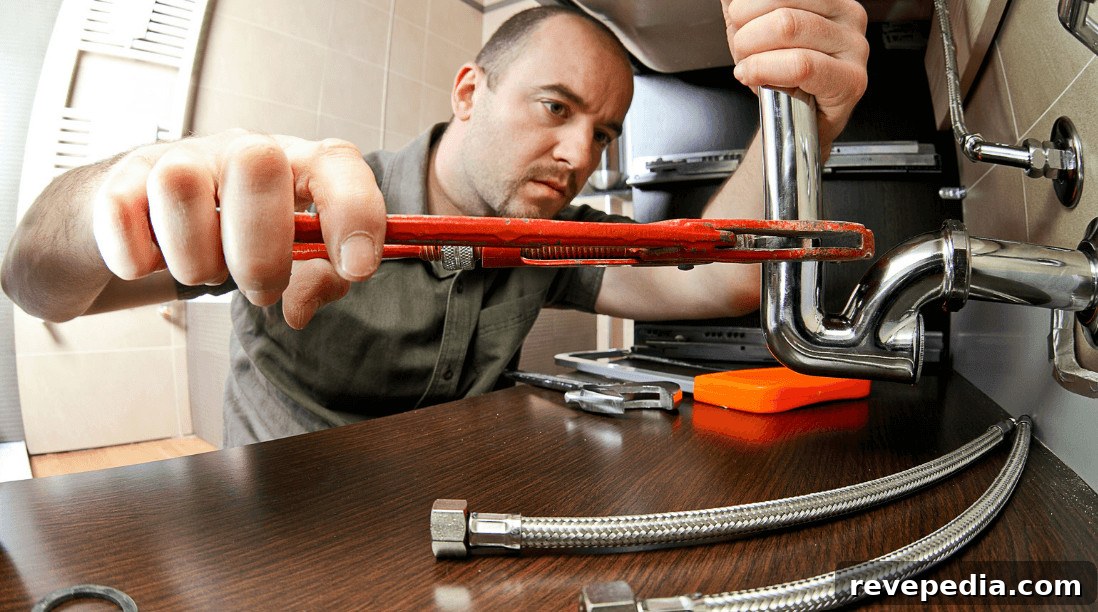
For the home improvement enthusiast, there is deep satisfaction in taking on a project and seeing it through. Many home upgrades are well within the reach of a capable DIYer, and tackling them yourself saves money, builds practical skills, and delivers a strong sense of accomplishment.
However, some projects involve plumbing or related systems in ways that call for a licensed professional. Knowing which projects require a professional plumber is an essential part of smart home improvement. Recognizing when a job crosses into professional plumbing territory ensures work is completed safely and correctly, protecting both the home and the value of the renovation.
Image by Magnific
The DIY Spirit and Its Sensible Limits
The do-it-yourself approach to home improvement is both empowering and practical. Tasks such as painting, installing light fixtures, assembling cabinets, laying flooring, and handling minor carpentry are often well suited to a confident homeowner with the right tools and a willingness to learn. These projects offer cost savings and the satisfaction that comes from direct involvement.
At the same time, smart DIYers understand their limits. Work that touches plumbing, gas, electrical systems, structural elements, or other regulated trades typically requires the expertise of a licensed professional. This is not a defeat of the DIY ethic but a responsible extension of it: knowing when to call in a qualified tradesperson protects your home and the investment you make in any upgrade.
The most successful home improvers blend hands-on DIY with good judgment. They take on appropriate projects themselves while recognizing the value of hiring a professional when the job demands technical skill, compliance with regulations, or long-term reliability.
Kitchen and Bathroom Renovations
Kitchen and bathroom remodels are among the home improvement projects most likely to involve professional plumbing. These rooms depend on reliable water supply and drainage, and significant layout changes—such as relocating sinks, installing new showers or bathtubs, adding dishwashers, or reconfiguring drains—require precise plumbing work.
While homeowners can handle many cosmetic tasks in a remodel, the plumbing portion typically needs professional oversight. Improperly installed drains, poorly connected water lines, or inadequate venting can lead to leaks, water damage, mold, and persistent drainage problems that undermine the entire renovation.
For remodeling in regions such as Moreton Bay, engaging an experienced local plumber for the plumbing work ensures that crucial systems are installed and tested correctly. Hiring a professional for the plumbing phase helps guarantee that beautiful finishes are matched by dependable, code-compliant plumbing that protects the property over time.
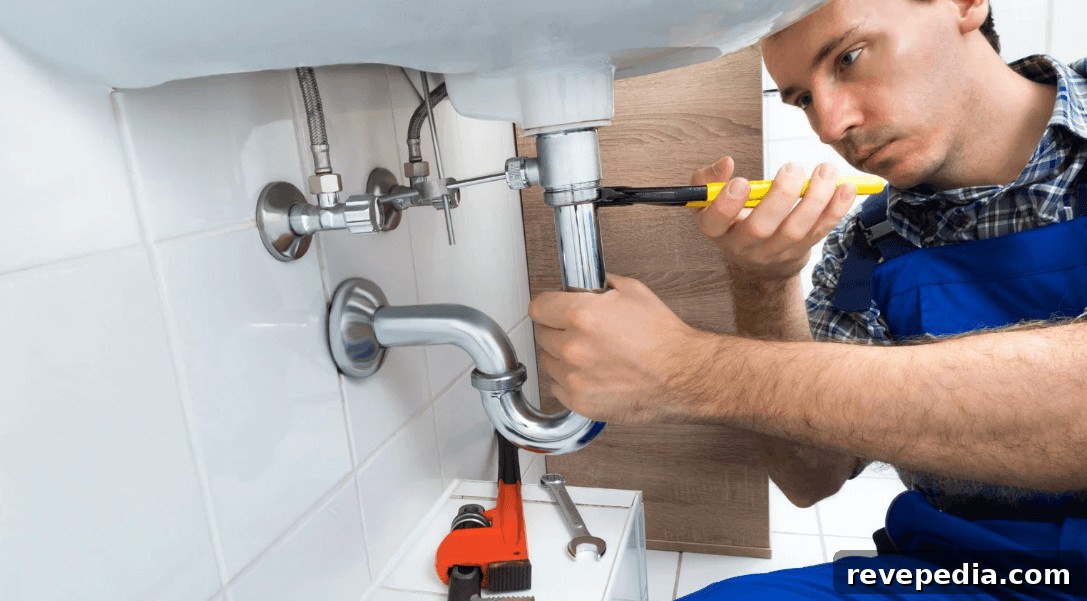
Projects Involving Gas, Hot Water, and Major Systems
Certain home improvements clearly fall outside DIY scope and should always be handled by licensed professionals. Any work involving gas appliances, gas lines, or gas fittings requires a certified tradesperson because gas work is safety-critical and regulated. Similarly, installing, replacing, or relocating a hot water system is complex and generally needs professional plumbing and, where applicable, licensed gas fitting.
Major plumbing projects that affect a home’s primary water supply, sewer connections, or structural plumbing systems carry higher risk. Mistakes can result in significant water damage, contamination, or costly rework. Licensing and certification exist for these reasons: to ensure work meets safety standards and local building codes.
Trade associations and regulatory bodies emphasize hiring qualified, licensed plumbers for regulated or high-risk plumbing work. For homeowners, recognizing that these projects belong to professionals helps avoid legal, safety, and long-term performance problems.
Getting the Best of Both Worlds
The smartest approach to home improvement combines confident DIY with the judgment to engage professionals where necessary. This balanced strategy lets homeowners enjoy the cost savings and satisfaction of doing suitable projects themselves while ensuring that plumbing-intensive, regulated, or high-risk work is handled by an experienced professional.
When planning a renovation, assess each task honestly: take on the projects that match your skills and tools, and bring in a licensed plumber for plumbing work that involves water mains, drainage reconfiguration, gas lines, hot water systems, or any work governed by local codes. Examples that commonly require professional plumbing include kitchen and bathroom remodels, gas appliance installation, hot water system replacement, major drain or sewer work, and any work that will be inspected or must comply with building regulations.
By combining DIY confidence with professional expertise where it is warranted, homeowners achieve both the reward of hands-on work and the assurance that critical systems are installed and functioning correctly. This practical, safety-minded approach produces better outcomes, protects the property, and ensures lasting performance from both cosmetic upgrades and essential plumbing systems.