
Moving to a new home is often a hectic process. Between coordinating utility transfers, organizing belongings, and handling the physical work of packing and transporting items, you can quickly become overwhelmed. Hiring professional movers can ease much of that burden, but to get the most value from their services you need to know what they offer and how to choose the right team for your needs.
This article explains what professional movers do, the types of moving services available, common add-ons to consider, and practical tips for vetting movers so your relocation is smooth, efficient, and stress-free.
What Do Movers Actually Do?
Professional movers do much more than simply load boxes into a truck. Their role can cover the entire relocation process: packing, loading, transporting, unloading, and sometimes unpacking and arranging items in your new home. They handle logistics, organize the physical move, and manage paperwork and liability procedures that most homeowners would find time-consuming or confusing.
At a basic level, movers load your belongings, transport them to the destination, and unload them at your new address. Many moving companies also offer additional services such as on-site packing, temporary storage, specialized handling for fragile or valuable items, and options for insurance beyond the basic liability coverage. The exact services and service levels vary by company, so it’s important to review what each provider includes in their offering.
Types of Moving Services
Moving needs differ from one household to another. Understanding the service categories helps you match a provider to your situation:
- Local moving: Short-distance moves, usually completed within a single day. Best for moves within the same city or metropolitan area.
- Long-distance moving: Cross-state or cross-country relocations that often involve larger trucks, different regulations, and extended transit times.
- Packing and unpacking: Professional packing saves time and reduces the risk of damage. Unpacking services help you settle in faster at the new location.
- Storage solutions: Temporary or long-term storage if your new home isn’t ready when your belongings arrive or if you need to store excess items during a transition.
Common Add-Ons and Extras
Many moving companies provide optional services that can be added to a basic move. Consider these add-ons when comparing quotes:
- Insurance and valuation coverage: Basic liability is often included, but higher valuation or third-party insurance can offer better financial protection for valuable items.
- Packing supplies: Boxes, bubble wrap, tape, and specialty packing materials can be supplied by the mover to streamline the process.
- Furniture disassembly and reassembly: Movers can take apart and rebuild bulky furniture so it fits through doorways and transports safely.
- Debris removal and cleanup: Some movers will remove packing materials and debris from the old or new residence, leaving your space cleaner.
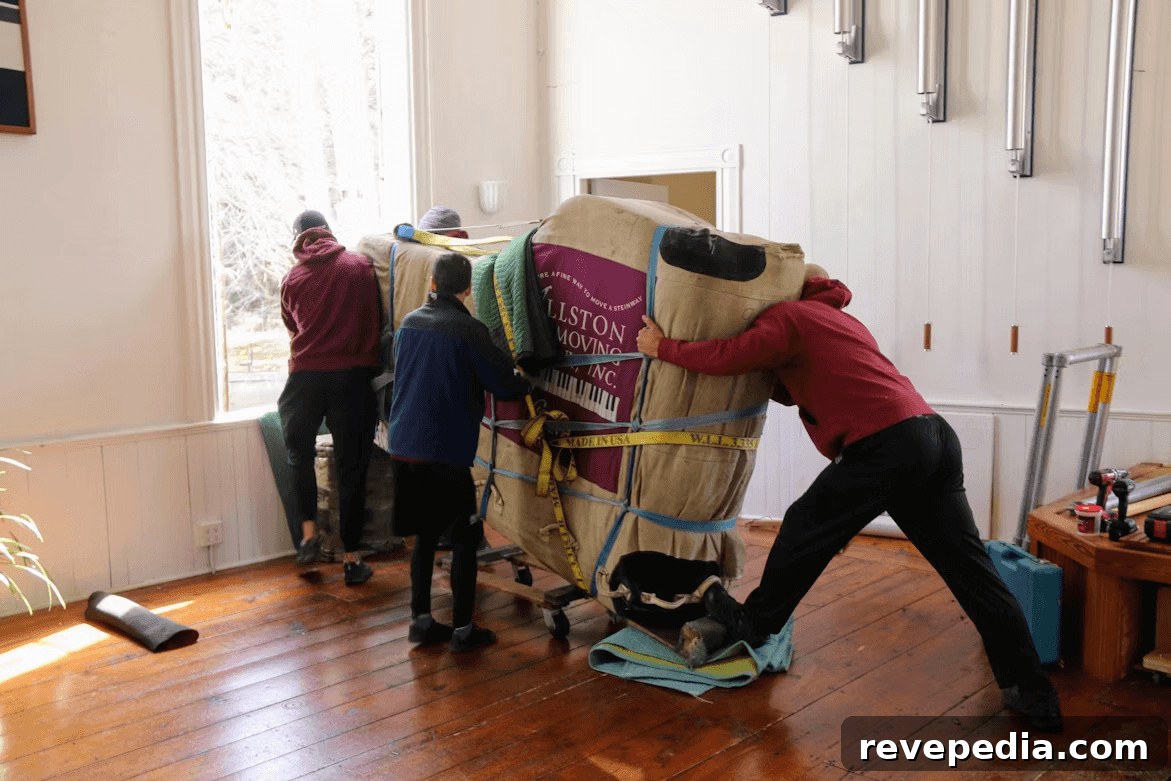
- Specialty item handling: Pianos, antiques, large appliances, and artwork often require specialized equipment and expertise.

How to Vet Moving Companies
Choosing the wrong mover can lead to delays, damage, or unexpected costs. Use the following checklist to evaluate potential movers and avoid common pitfalls:
- Verify credentials: Ask for licenses, registration numbers, and proof of insurance. Legitimate movers will provide documentation and answer questions about their credentials.
- Read independent reviews: Look for feedback from past customers on third-party review platforms to gauge reliability, punctuality, and how the company handles claims or disputes.
- Get detailed estimates: Request written quotes that itemize services and fees. Compare multiple estimates to understand market pricing and identify hidden charges.
- Confirm policies: Review cancellation terms, claims procedures, and what is covered under the mover’s liability policy. Make sure you understand payment terms and any required deposits.
- Watch for red flags: Be cautious of companies that demand unusually large upfront payments, refuse to provide written estimates, or have a pattern of negative reviews or unresolved complaints.
Final Tips
Plan ahead and communicate clearly with your chosen moving company. Create an inventory of valuable or fragile items, label boxes, and make a list of any special instructions. If you require storage or specific handling for large or delicate items, arrange those details well before moving day. With proper research and preparation, hiring professional movers can transform a stressful relocation into an organized, efficient transition.
Approach the process thoughtfully, compare services and quotes, and choose a mover that demonstrates professionalism, transparent policies, and a suitable service offering for your move. Wishing you a smooth and successful relocation and an excellent start in your new home.