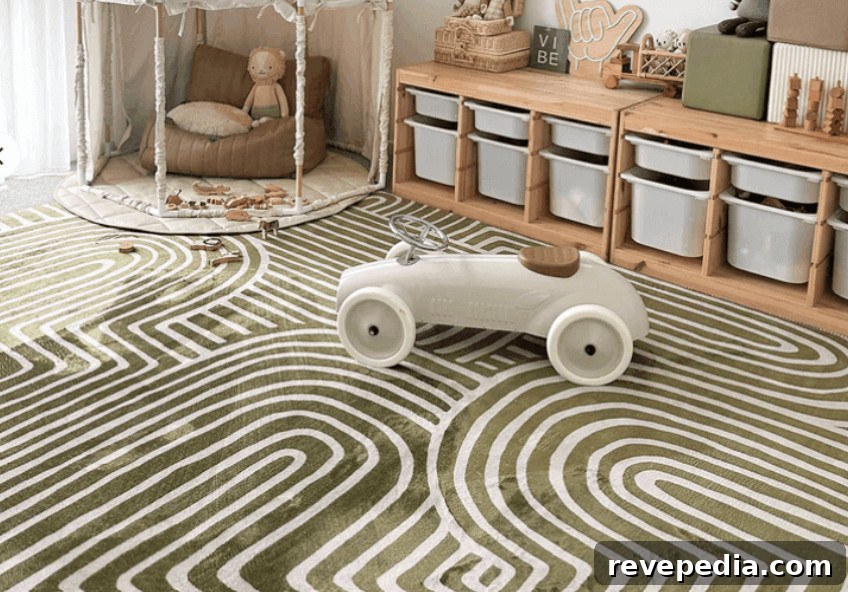
Designing a playroom requires balancing style, safety, and practicality. A well-chosen baby play mat and a quality playroom rug are simple additions that make a big difference. They create a comfortable, colorful, and secure surface for exploration while supporting physical and cognitive development. Below we outline the benefits of premium play mats, guide you through choosing the right options, and offer styling tips to help you build an inviting, functional play space.
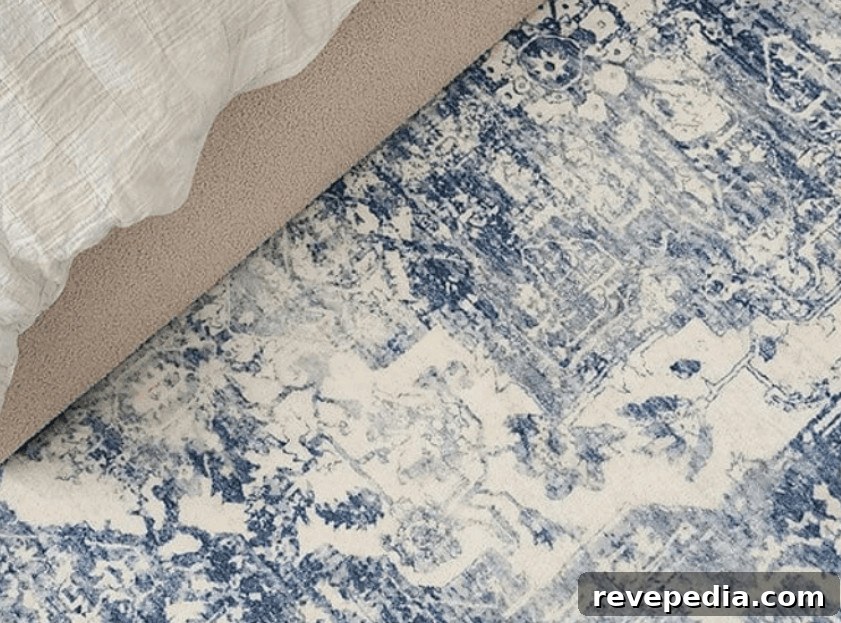
Benefits of Using a Premium Baby Play Mat in a Playroom
- Enhanced Safety and Cushioning for Active Play: Babies and toddlers are constantly learning to move—crawling, rolling, sitting, and taking early steps. A premium play mat offers cushioning and non-slip surfaces that reduce the risk of bumps and bruises, making active play safer.
- Supports Sensory Stimulation and Development: Bright colors, varied textures, and bold patterns on a play mat encourage sensory exploration. These features support fine motor skills, hand-eye coordination, spatial awareness, and early cognitive development as children reach for, touch, and examine the materials.
- Easy to Clean and Maintain: Playrooms get messy. Premium mats are often made from water-resistant, wipeable materials or machine-washable fabrics that make cleaning quick and simple—important for hygiene and convenience in daily use.
Choosing the Right Play Mat for Your Playroom: Key Considerations
- Material: Choose materials that are soft yet durable. Non-toxic foams, high-quality PVC alternatives, and hypoallergenic fabrics provide cushioning while remaining safe for delicate skin. Verify that materials are free of harmful chemicals and are safe for prolonged contact.
- Size: Measure the playroom and choose a mat that fits the intended play zone while leaving room for toys and movement. Larger mats create a dedicated play area; modular mats can be expanded as needs change.
- Design and Function: Select colors and patterns that both stimulate and soothe. Educational designs—such as alphabets, numbers, shapes, or simple maps—can turn floor time into a learning opportunity without forcing formal instruction. Also consider reversible or two-sided mats for variety.
A thoughtfully selected play mat enhances safety, comfort, and developmental opportunity. Prioritize non-toxic, easy-to-clean materials, pick an appropriate size for your space, and choose a design that complements the room while supporting play and learning.
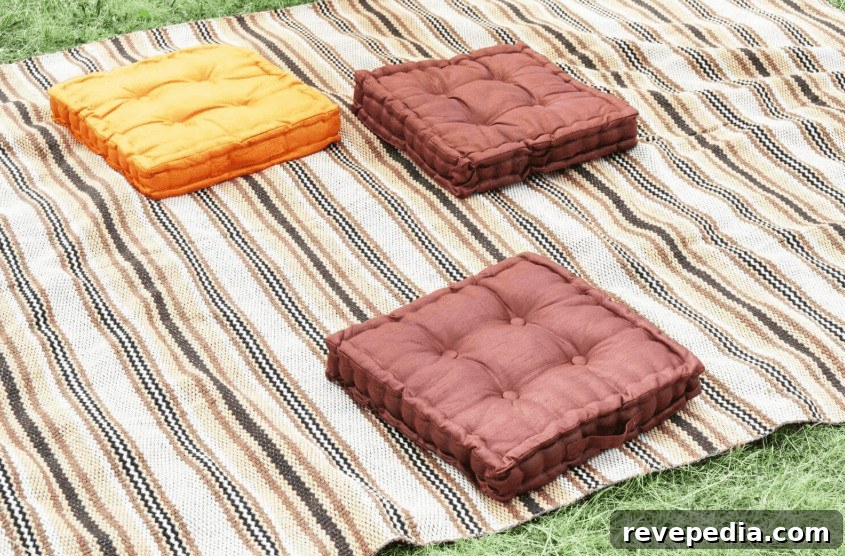
Incorporating a Playroom Rug in Your Child’s Space
A playroom rug contributes both aesthetics and practicality. It anchors the space visually, creates a softer surface for play on hard floors, and can even double as an educational tool. Below are practical ways a rug can improve a child’s room.
- Boost Visual Appeal With Color and Pattern: Rugs instantly add personality. Choose bright, whimsical prints to energize the room or muted tones for calmer spaces. Patterns featuring animals, shapes, or playful motifs make the environment more engaging and inviting for children.
- Provide Comfort on Hard Floors: Hardwood and tile can be uncomfortable for prolonged play. A plush rug cushions knees and elbows, making floor activities more comfortable for reading, crafts, and imaginative play.
- Use as a Learning Surface: Many rugs feature alphabets, numbers, shapes, or maps that support informal learning during play. These elements encourage exploration and discovery, reinforcing early literacy and numeracy through repetition and play-based interaction.
Tips for Styling Colorful Interiors with Play Mats and Rugs
- Add Contrasting Colors: If walls and furniture are neutral, introduce bright rugs or mats to create focal points and visual interest. Contrasting tones draw the eye and energize the space.
- Layer Rugs for Texture and Zones: Layering a play mat over a larger rug or placing smaller rugs strategically can create distinct zones for reading, building, or imaginative play while adding depth and texture to the room.
- Consider Size and Shape: Match rug shape and size to the room’s layout. Round or oval rugs can make a compact room feel more open; rectangular rugs define larger play areas and furniture groupings.
- Mix Patterns Thoughtfully: Coordinate rug patterns with bedding, curtains, or wall accents. Mixing patterns can be playful, but keep a consistent color palette to maintain cohesion and avoid visual clutter.
Combining play mats and rugs thoughtfully balances comfort, safety, and design. Use contrasting colors to enliven neutral spaces, layer pieces to define play zones, and select shapes that suit the room’s proportions. These choices help create a cheerful, functional environment where children can play, learn, and grow.
Conclusion
A baby play mat and a well-chosen playroom rug are more than decorative items: they protect your child, enhance comfort, and support developmental learning through sensory-rich design. With many durable, easy-care, and non-toxic options available, these pieces are practical investments that improve safety and transform a room into an inviting, playful environment. Whether you prefer bold colors or soothing neutrals, thoughtfully selected mats and rugs will add warmth, personality, and purpose to your child’s play space.