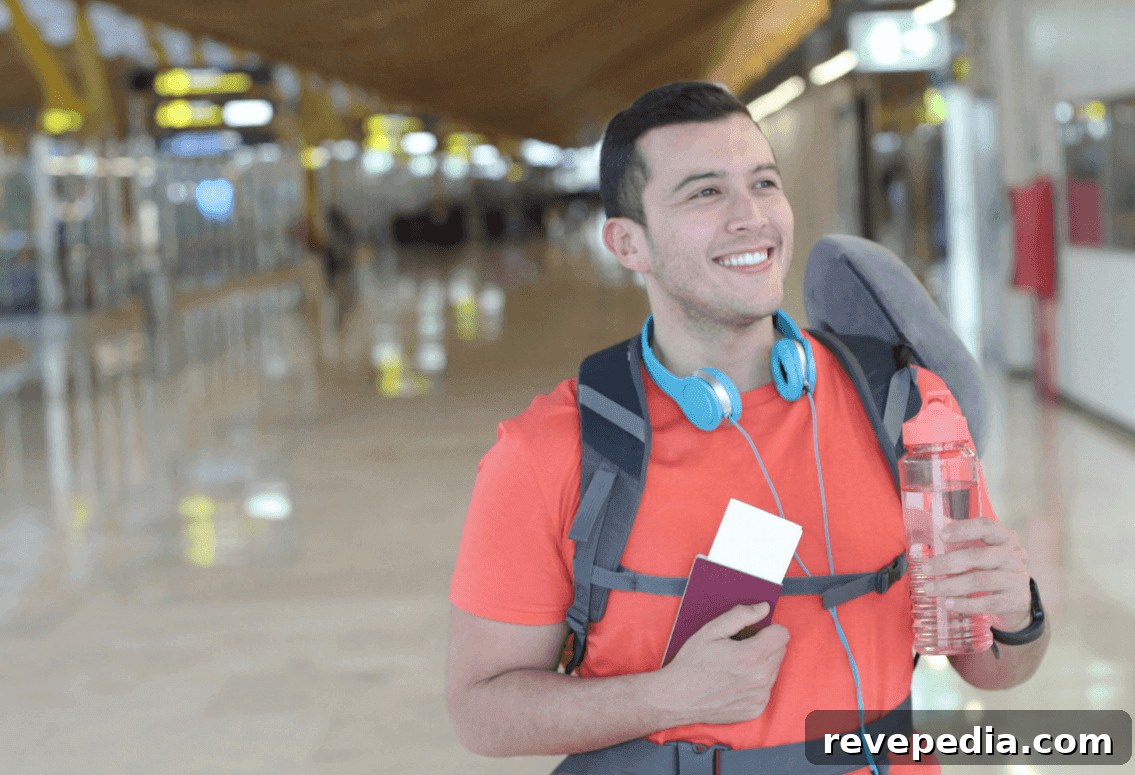
Travel opens the door to new places, people and cultures. Reaching your destination safely and staying healthy makes every trip more enjoyable. Careful planning and awareness reduce the chance of injury, theft or other setbacks. Below are practical, SEO-friendly tips for frequent travelers focused on safety, injury prevention and smart travel routines while on the road.
Staying informed, keeping basic medical supplies on hand and protecting both your physical and digital wellbeing will help you relax and enjoy your journey.

Staying Current With Travel Advisories
Travel advisories are an early warning system that can help you avoid high-risk areas and sudden disruptions. Check official advisories before you leave and review them again during your trip, especially if local conditions change. Reliable sources and local news help you make informed choices about routes, neighborhoods and activities.
Keeping up to date prevents unpleasant surprises and allows you to reroute plans if needed. Make a habit of scanning official pages and alerts for your destination before and during travel.
Planning For Your Safety
Good planning reduces most travel problems before they happen. Use an international travel checklist: confirm passport and visa requirements, review vaccination and health advice, check travel advisories, and learn local laws and cultural norms. Store copies of important documents in a secure folder and keep digital backups.
Pre-trip research also covers logistics like local emergency numbers, nearby hospitals and insurance rules. Although legal help may be needed after an accident — for example, you might consult a PI lawyer if necessary — being prepared is the best prevention. Small details like valid prescriptions and clear contact information save time and stress later.
Navigating Road Safety
Road conditions and driving customs change widely across countries. Road traffic accidents are a leading cause of injury for travelers, particularly in lower-income regions, so exercise extra caution when walking, taking taxis or driving rental vehicles.
Observe local traffic behavior before stepping onto a busy street. Use crosswalks, follow signals and wear seat belts. If you rent a car, familiarize yourself with local rules and avoid night driving on unfamiliar roads. Defensive driving and cautious pedestrian habits go a long way toward preventing accidents.
Avoiding Local Scams
Tourist areas can attract scammers who target visitors who look distracted or unfamiliar. Common scams involve taxis, rideshares and unsolicited helpers. Always agree on fares in advance, keep valuables secure and remain cautious when approached with unexpected offers.
If something feels off or too good to be true, trust your instincts and remove yourself from the situation. Hotel staff can often help if you feel pressured or need local guidance.
Packing First Aid
Minor injuries or illnesses can disrupt a trip. Pack a compact first-aid kit with adhesive bandages, antiseptic wipes, pain relievers and any prescription medications you need. Keep the kit in your carry-on so it’s available immediately if an injury occurs.
Check expiration dates and top up supplies before each journey. If you’re visiting remote areas, include extra items such as blister care, a basic wound dressing and any specialty medications you may need.

Protecting Your Data
Digital security matters as much as physical safety. Public Wi‑Fi networks and unsecured connections can expose passwords and personal data, so be cautious when using hotel or café Wi‑Fi.
Before you travel, secure your devices and use these best practices:
- Use a virtual private network (VPN) for safer connections.
- Disable Wi‑Fi auto‑connect and Bluetooth when not in use.
- Keep operating systems and apps up to date.
When possible, limit sensitive transactions on public networks and keep devices with you to avoid opportunistic theft. Simple precautions can prevent identity theft and data breaches.
Managing Travel Stress
Frequent travel can increase stress and lead to fatigue or burnout. Recognize early signs—poor sleep, irritability or low energy—and build recovery time into your schedule.
Helpful strategies include:
- Plan breaks between meetings or long excursions.
- Stay hydrated and eat balanced meals.
- Stick to a sleep routine when possible and use short naps to recover.
Prioritizing rest and self-care improves focus and reduces the chance of accidents or health issues while traveling.
Handling Minor Injuries
Even small cuts, sprains or persistent aches need proper care. Address injuries early to avoid complications, and see a medical professional if symptoms continue. Having a local doctor examine an injury provides accurate treatment and documentation for insurance or legal needs.
Keep records of medical visits and treatment receipts. These documents can be essential for insurance claims or follow-up care when you return home. For guidance on medical care and specialists, consult reliable health resources or your travel insurer.
Remaining Aware At All Times
Situational awareness is one of the strongest tools for traveler safety. Pay attention to your surroundings, observe local behavior and avoid walking distracted with your phone out. Confident, purposeful movement deters opportunistic criminals and helps you notice hazards sooner.
Travel is richer and more rewarding when you feel secure. Apply these practical travel safety tips—stay informed, plan ahead, protect your health and data, and trust your instincts—to make safer, happier journeys and lasting memories.