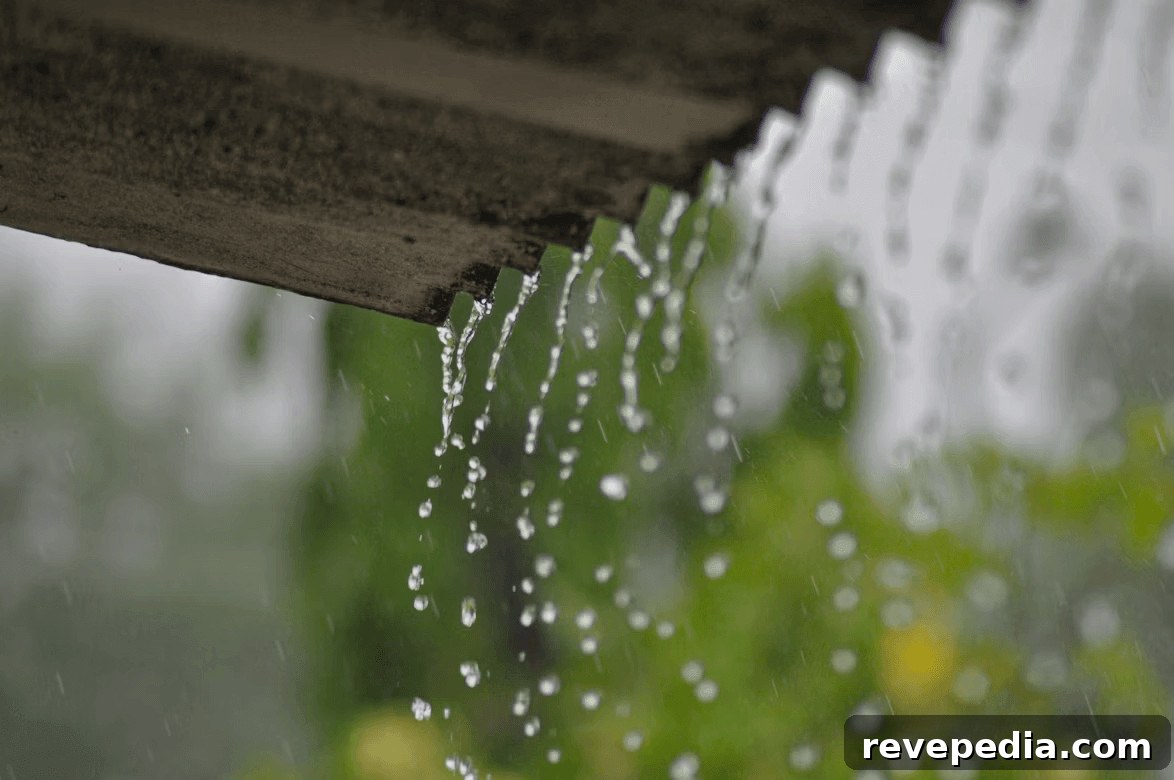
Most homeowners only think about their septic system when something goes wrong. Slow drains, unpleasant odours, or standing water in the yard are usually the first signs that prompt action. In truth, many septic problems begin well before these symptoms appear, and one of the biggest contributors is poor rainwater management around the property.
Rainwater itself may seem harmless, but when it is not directed away from the house properly, it places unnecessary stress on a septic system. Excess surface and subsurface moisture alters how soil absorbs and treats wastewater, increases the risk of drain field saturation, and shortens the lifespan of septic components. With a few straightforward drainage practices, homeowners can reduce risk and extend the life of their system.
Why Rainwater Management Matters for Your Septic System
A septic system depends on the surrounding soil to receive and treat effluent after it leaves the septic tank. The drain field is designed to allow treated water to percolate slowly through the soil, where natural filtration and microorganisms remove contaminants before the water continues through the ground.
When heavy rain or melting snow saturates the ground, those soil layers lose capacity to accept additional moisture. If rainwater is repeatedly directed toward the drain field, wastewater has nowhere to go and cannot be treated effectively. Rather than percolating, effluent may back up into household plumbing or surface in the yard.
While a single storm rarely causes permanent damage, ongoing exposure to excessive moisture reduces the drain field’s efficiency and can lead to costly repairs over time.
Common Sources of Excess Water Around the Home
Drainage problems often develop slowly and remain hidden until they affect the soil’s performance. A property can look fine on dry days yet still channel water where it shouldn’t.
Frequent sources of excess water include:
- Clogged gutters that overflow during storms.
- Downspouts that discharge too close to the foundation or drain field.
- Sloping landscapes that funnel runoff toward underground systems.
- Low-lying depressions where rainwater collects and lingers.
- Blocked swales, ditches, or surface drains.
- Poor yard grading that fails to direct water away from critical areas.
- Hard surfaces such as driveways or patios that redirect runoff toward buried wastewater components.
Each of these conditions increases moisture where the soil should be absorbing and treating wastewater.
Why Saturated Soil Causes Septic Problems
Healthy drain field soil contains both water and air. Air-filled pore spaces support beneficial microorganisms that break down organic matter and help filter pathogens. When soil stays saturated, those air pockets disappear and biological activity slows.
Saturated soil cannot accept and treat effluent effectively, so wastewater moves more slowly or not at all. That leads to symptoms such as slow-draining sinks and showers, toilets that flush sluggishly, gurgling sounds in plumbing, wet patches over the drain field, and strong outdoor odours.
Many homeowners assume these signs indicate a blockage in the plumbing, when in fact the underlying cause can be overly wet soil preventing proper treatment and drainage.
Gutter Maintenance: A Simple, High-Impact Step
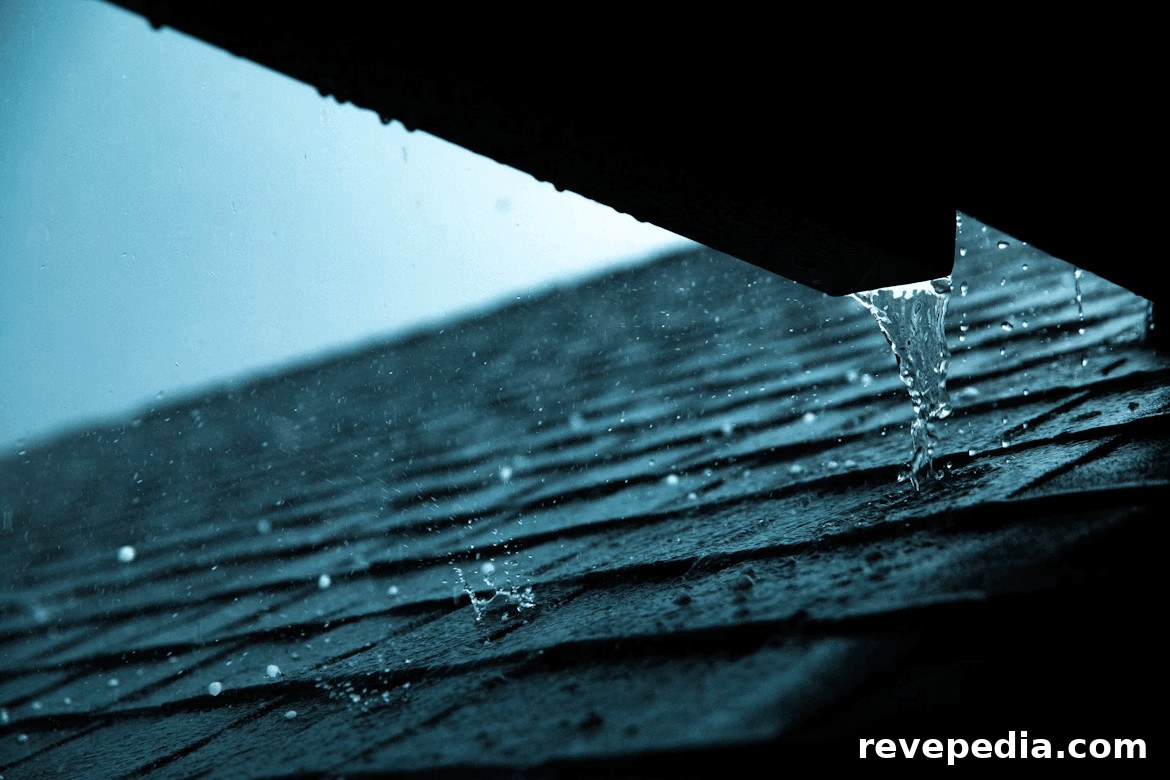
Gutters are one of the most effective, low-cost tools for protecting underground systems. When gutters clog with leaves and debris, water spills over the edges and pools around the home. During heavy storms, large volumes of water can collect near the foundation or flow toward the drain field instead of being carried safely away.
Regular gutter cleaning and inspection ensures water moves through downspouts as intended. Check for loose joints, sagging sections, and damaged areas that allow water to escape before it reaches the downspouts.
Position Downspouts to Redirect Water Safely
Even well-maintained gutters can cause problems if downspouts discharge in the wrong place. Downspouts should direct runoff well away from both the foundation and the septic drain field. Extensions, splash blocks, and underground drainage piping can safely carry roof runoff to a location where water can disperse without interfering with wastewater treatment.
Avoid discharging roof runoff directly over the drain field; continual additions of clean water increase soil moisture and reduce the field’s capacity to treat effluent.
Maintain Proper Yard Grading
Yard slope influences how water moves across the property. Ideally, the ground around buildings and septic components should slope gently away so runoff flows to appropriate collection areas. If water naturally moves toward the drain field, soil remains wetter than intended for long periods.
Small grading adjustments—adding soil to low spots or reshaping shallow depressions—often deliver substantial benefits. For persistent standing water, consider a professional assessment to identify the best corrective measures.
Keep Other Water Sources from Overloading the Drain Field
Rainwater isn’t the only source of excess moisture. Sump pump discharge, air conditioner condensate, irrigation systems, leaking outdoor faucets, and landscape drainage can all contribute additional water to the same area. Individually these sources may seem minor, but combined they can keep the soil saturated.
Where possible, redirect clean water away from the drain field to locations where it won’t interfere with wastewater treatment.
Landscaping Choices Affect Drainage
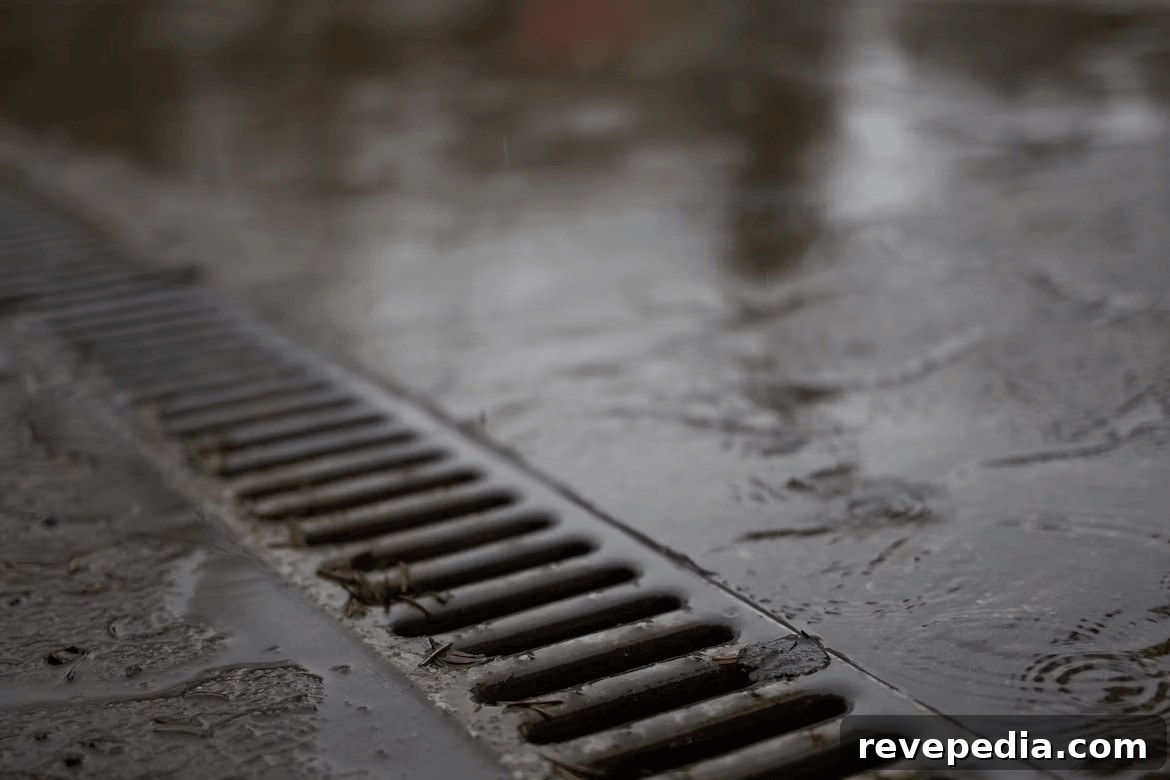
Thoughtful landscaping supports proper drainage; poor choices can create ongoing problems. Avoid planting trees with aggressive root systems near septic components, since roots seek moisture and can damage pipes. Heavy landscape features—retaining walls, large planting beds, and decorative mounds—can change natural runoff patterns and trap water.
Choose plantings and hardscape that encourage gentle surface runoff and avoid compacting soil over the drain field. Grass is often the best ground cover because it controls erosion while allowing water to migrate through the soil.
Avoid Compaction of Wet Soil
Saturated ground is highly vulnerable to compaction. Driving vehicles, parking trailers, or operating heavy landscaping equipment across the drain field compresses soil, reducing its ability to absorb wastewater. Compacted soil drains more slowly and holds moisture longer, so keep heavy equipment away from the drain field to preserve long-term performance.
Regular Inspections Prevent Bigger Problems
Rainwater management shouldn’t be reactive. A few simple inspections each year can identify small problems before they become expensive repairs. Homeowners should periodically clean gutters, inspect downspouts, ensure splash blocks are positioned correctly, look for standing water after storms, and monitor the drain field for unusually wet areas or lush vegetation that may signal saturation.
Routine maintenance requires little time but protects one of the most important systems on the property.
When to Seek Professional Help
Some drainage issues exceed routine maintenance. Persistent standing water, recurring plumbing backups, unusually lush vegetation over the drain field, or persistent foul odours may indicate the septic system is under stress. Delaying inspection can allow problems to worsen.
A professional assessment can determine whether poor drainage, soil saturation, or an underlying septic fault is the cause and recommend appropriate corrective actions. Specialists in septic system planning and maintenance can identify risks and help prevent costly failures.
Final Thoughts
Proper rainwater management is an often-overlooked but essential element of septic system care. While homeowners frequently focus on pump schedules and reducing indoor water use, managing where rainwater flows is equally important for long-term system health.
Simple measures—keeping gutters clean, extending downspouts, correcting yard grading, and preventing additional runoff from reaching the drain field—reduce stress on the system year after year. Taking a proactive approach preserves the soil’s ability to treat wastewater efficiently, lowers the risk of backups, and extends the life of underground components. By paying attention to how rainwater moves across your property, you can prevent many common septic problems before they develop.