This is a sponsored post written by me on behalf of Philips Lighting. All opinions are entirely my own.
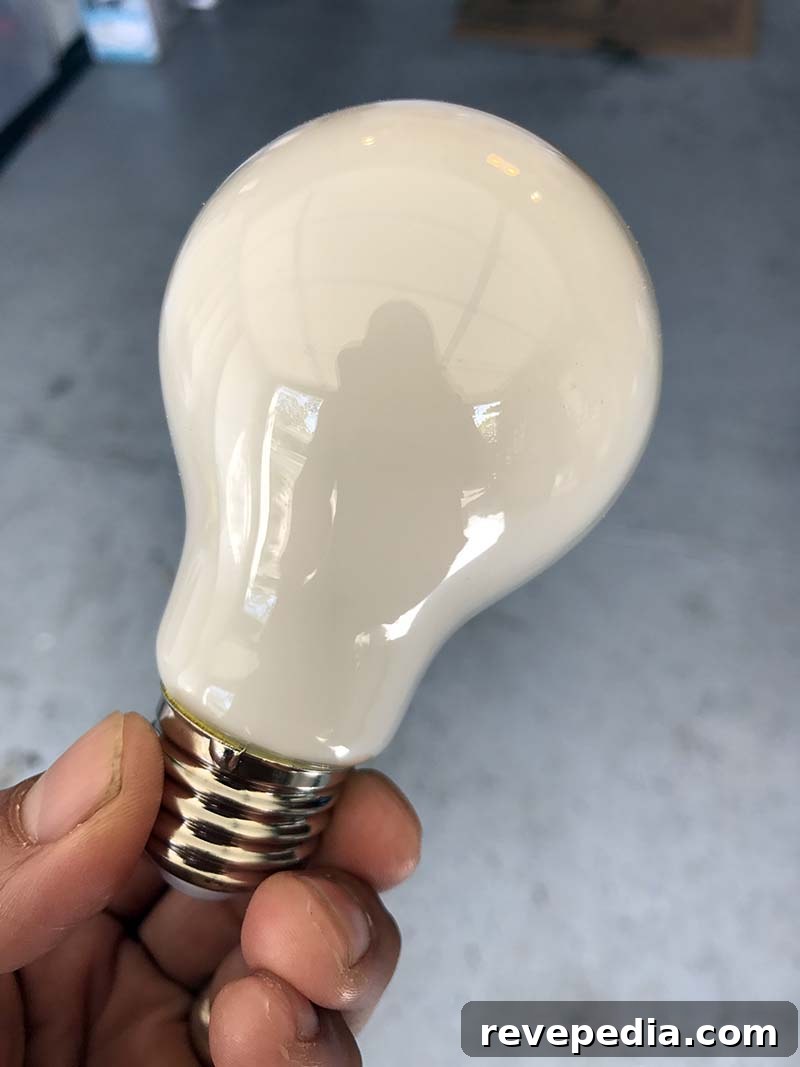
For years we resisted anything other than incandescent lighting. Compact fluorescent lamps (CFLs) offered poor color and limited dimming, and early LEDs were prohibitively expensive. That changed when Philips Lighting introduced a new, affordable LED bulb that quickly became our household standard. Available in two color temperatures to suit different rooms and preferences, a four-pack is priced under $10, making it an easy upgrade for almost any home.
Philips Lighting has long been a leader in LED innovation; we’ve also been impressed by their Hue connected lighting system. For general household use, however, the Classic Glass LED bulbs stand out for their combination of color quality, brightness and value.
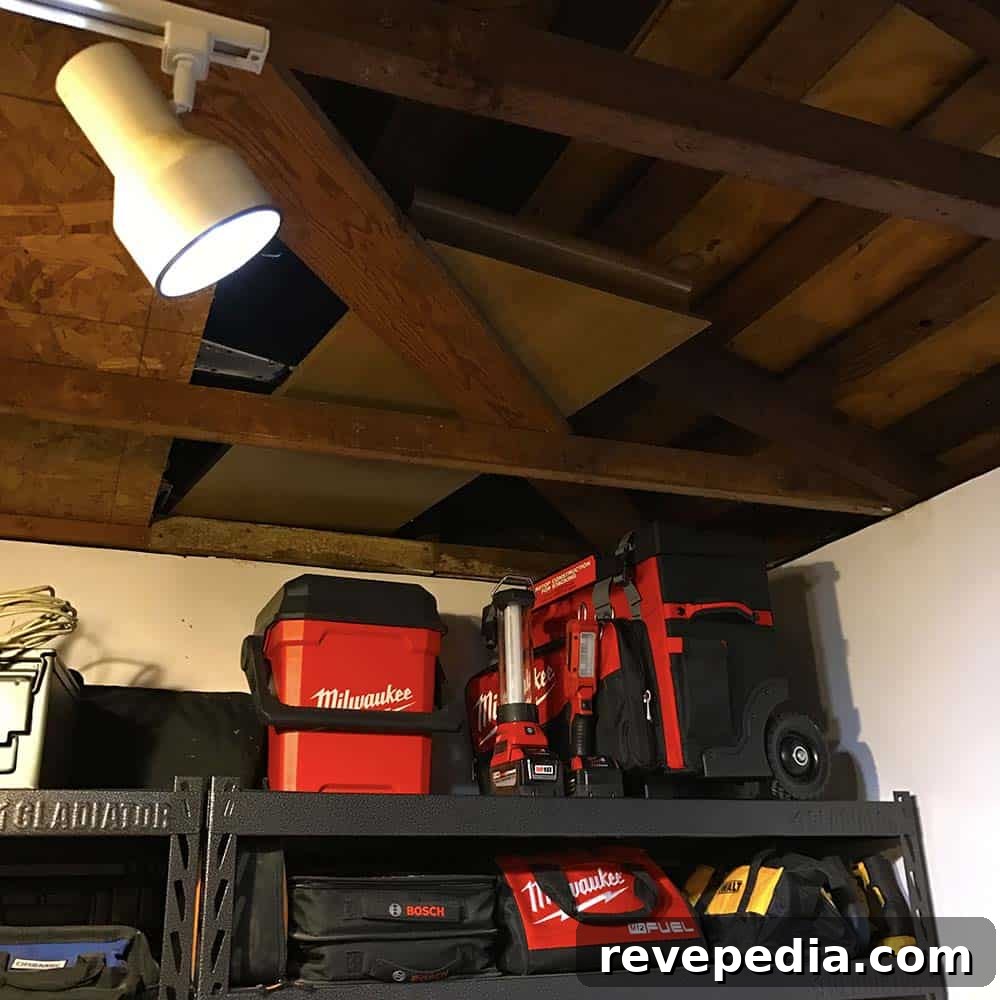
We first installed the Philips Classic Glass LED — Daylight version — in our garage and workshop. Each bulb provides 800 lumens, which delivers far better illumination than the CFLs they replaced. We frequently work on woodworking projects after dark and rely on carefully positioned overhead lights to eliminate shadows while working. These Philips LEDs are bright enough to clearly light our workspace without producing harsh glare or excessive reflections.
If you prefer a warmer, more relaxed atmosphere, the Philips Classic Glass LED — Soft White version — is an excellent alternative. That color temperature is often more suitable for bedrooms, living rooms, and other spaces where a cozier light is desired.
Our garage lights are controlled by a motion-sensing switch, so they turn on only when needed. Even so, these bulbs are extremely economical — costing only pennies per year to operate. Each LED draws about 7 watts while producing the output of a 60-watt incandescent, delivering dramatic energy savings and lower electricity bills. Philips rates these bulbs for up to 15,000 hours of use, which translates to roughly 13 to 14 years for typical household usage.
Beyond workshop lighting, these long-lasting LEDs are especially practical for fixtures that are difficult to reach or inconvenient to replace frequently. Installing Philips LED bulbs in high or hard-to-access fixtures reduces maintenance and ensures consistent, reliable light for years.