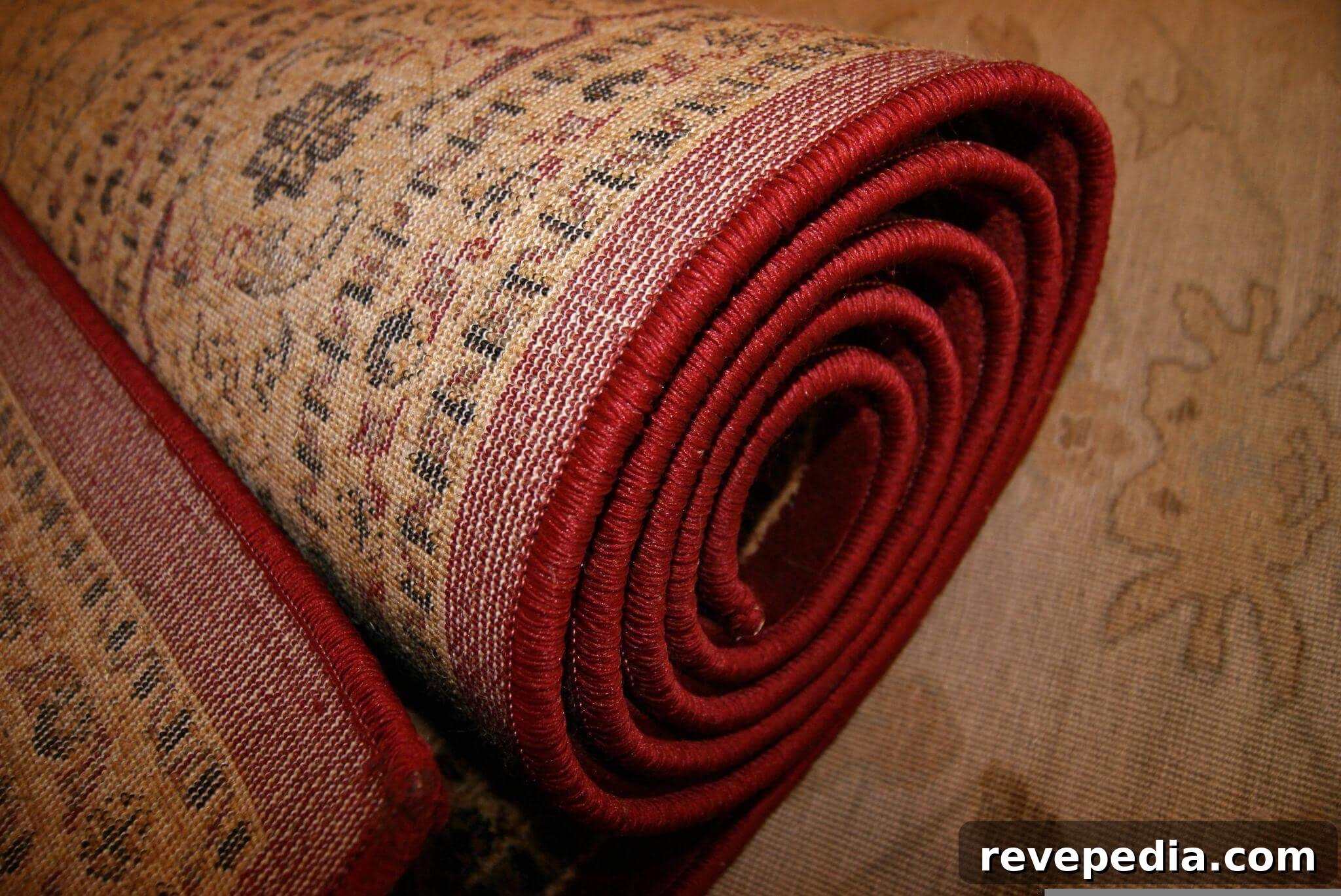
Contemporary interiors often emphasize clean lines, exposed materials, and open-plan layouts. Many assume soft textile floor coverings belong only in traditional or vintage homes, but thoughtfully chosen rugs and woven layers can enhance modern spaces by adding warmth and tactile balance to otherwise hard surfaces.
Soft textiles complete minimalist rooms by countering cold materials and creating a more welcoming atmosphere. They transform sleek, clinical spaces into inviting living environments without compromising a contemporary aesthetic.
Breaking the Traditional Stigma
Floor coverings once evoked ornate patterns and heavy furnishings, but today they function as purposeful design elements rather than outdated relics. Neutral palettes, simple motifs, and clean geometric patterns integrate seamlessly with contemporary furniture and architectural lines.
Choosing restrained patterns and colors helps maintain visual harmony with sharp architectural features, allowing modern furniture to remain the focal point. Selecting high-quality, understated floor pieces adds character without competing with built-in details.
The right material choices—natural fibers, subtle weaves, and refined finishes—add depth and texture while preserving a minimalist sensibility. Small textile updates can revive pared-back interiors with minimal effort.
Grounding Open Floor Plans
Large open rooms may feel unfocused without clear visual boundaries. Designers often use floor textiles to define functional zones, such as seating areas, dining spaces, and entryways, without erecting physical walls.
Properly placed large area rugs or woven overlays provide visual borders that unify furniture groupings and anchor floating pieces. This creates intentional, organized layouts where circulation paths remain natural and movement between zones feels effortless.
By creating clear zones, expansive living areas become more practical and comfortable, turning vast lofts into cozy, well-planned homes.
Softening Industrial Architecture
Exposed brick, concrete floors, and metal beams give industrial spaces a striking look, but those raw elements can also make interiors feel chilly. Soft floor layers introduce tactile warmth and balance, helping spaces feel more livable.
Textiles also improve acoustics in high-ceiling rooms by absorbing sound and reducing echo, which makes conversation and daily life more pleasant. Thick weaves and natural fibers counteract hard surfaces without diluting the industrial character.
Covering cold concrete or polished tiles with warm-wearing materials brings comfort underfoot while preserving the architectural edge of exposed structures and metallic finishes.
Balancing Minimalist Aesthetics
Minimalist interiors risk feeling incomplete if floors are left entirely bare. Introducing a subtle base layer provides depth and a sense of finish without adding clutter or ornamentation.
Minimal design succeeds through intentional contrasts of material and proportion. Soft textiles below simple furnishings create quiet visual tension and enhance the restrained elegance of a space.
Monochrome palettes and neutral weaves keep distractions to a minimum while improving comfort. Thoughtful textures lend a refined sense of luxury to pared-down rooms, letting craftsmanship stand out.
Elevating Modern Color Schemes
Modern interiors often rely on gray, white, and muted earth tones. Floor textiles offer an easy way to introduce subtle color accents and bring cohesion to a room’s palette.
- Deep blues create contrast against light oak floors.
- Warm terracotta tones soften cool concrete tiles.
- Olive and moss hues add organic warmth to minimalist settings.
Changing a rug or woven piece refreshes a room’s color story without repainting walls. Subtle patterns can tie together art, cushions, and window treatments so the overall palette feels intentional and grounded.
Adding Texture to Sleek Spaces
Glass, polished metal, and leather dominate many modern living rooms; without tactile variety, these materials can read as cold or sterile. High-pile weaves, nubby textures, or flat-woven rugs introduce a layered sensory experience that invites touch.
Mixing smooth, reflective surfaces with textured textiles creates balance and prevents interiors from appearing flat. Varied materials enrich daily life and make minimalist spaces feel more human and comfortable.
Protecting Contemporary Flooring
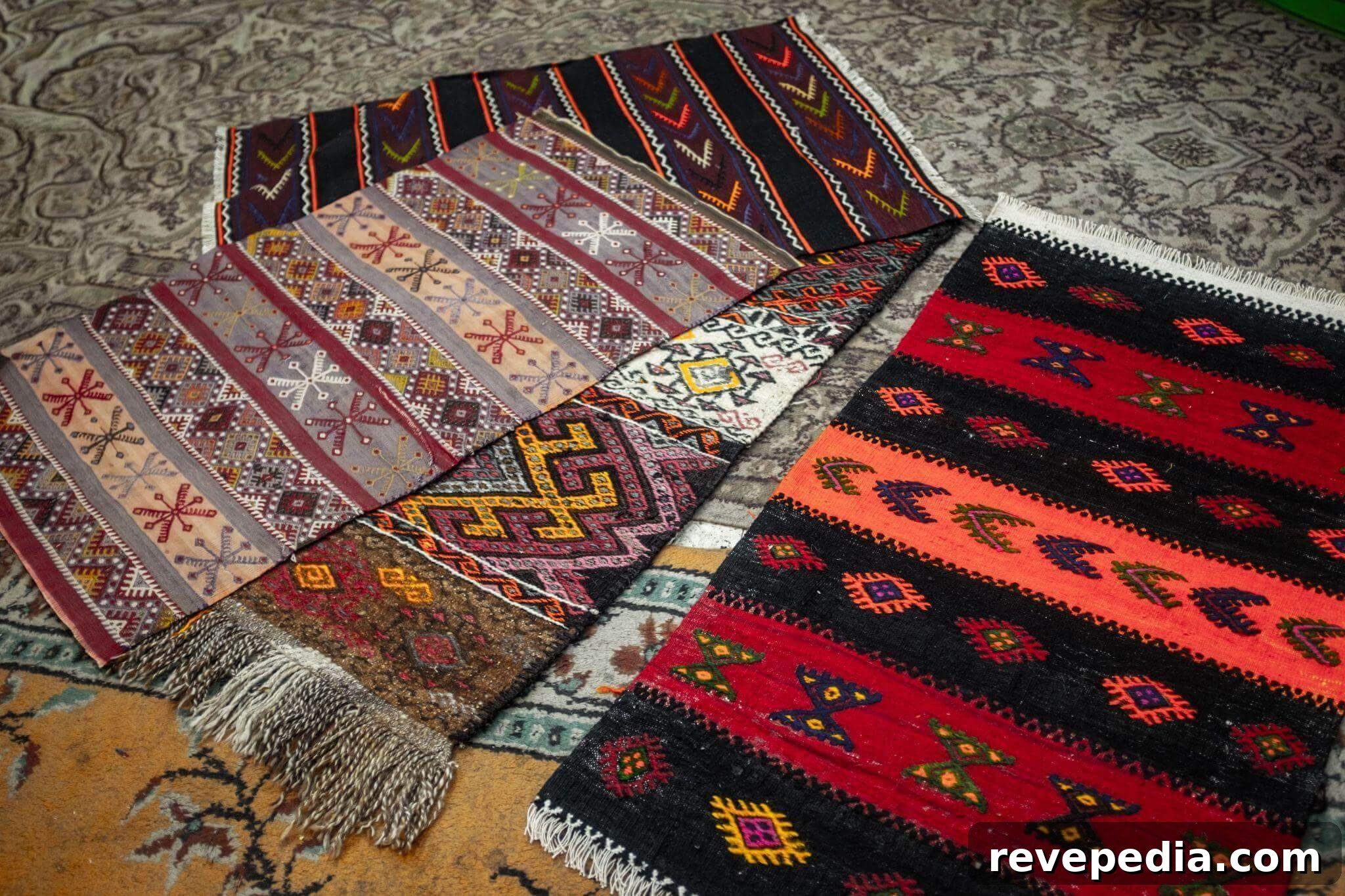
Hardwood, polished concrete, and luxury vinyl are significant investments. Floor coverings provide functional protection by shielding surfaces from scratches, cushioning impact, and preventing denting from furniture legs.
- Protective backings reduce the risk of scratches on wood floors.
- Cushioning absorbs impact from daily foot traffic.
- Dense weaves distribute pressure from chair and table legs, preventing dents.
Smart coverage preserves floor quality and reduces the need for costly refinishing, matching functional benefits to aesthetic improvements and helping maintain property value.
Creating Warmth in High-Ceiling Rooms
Loft-style spaces with tall ceilings and large glazing can feel cold as heat rises. Thick wool or layered textiles act as underfoot insulation, making rooms feel cozier and reducing perceived chill during colder months.
Adding thermal mass at floor level improves comfort and can reduce heating demand, helping tall, airy rooms feel inviting and usable year-round.
Styling Tips for Modern Layouts
Measure furniture footprints and scale rugs to fit seating groups so major furniture legs sit comfortably on the textile base. Leave a border of exposed floor—about 12 inches is a useful guideline—to maintain a clean, intentional look.
Simple geometric patterns and neutral weaves complement linear architecture. Correctly scaled and positioned floor textiles prevent spaces from feeling cramped and highlight architectural details, creating balanced, functional interiors.
When combined with contemporary architecture, well-chosen soft floor treatments enhance comfort and practicality while preserving a clean, modern aesthetic. Rugs and woven layers remain versatile tools for updating and refining modern homes.