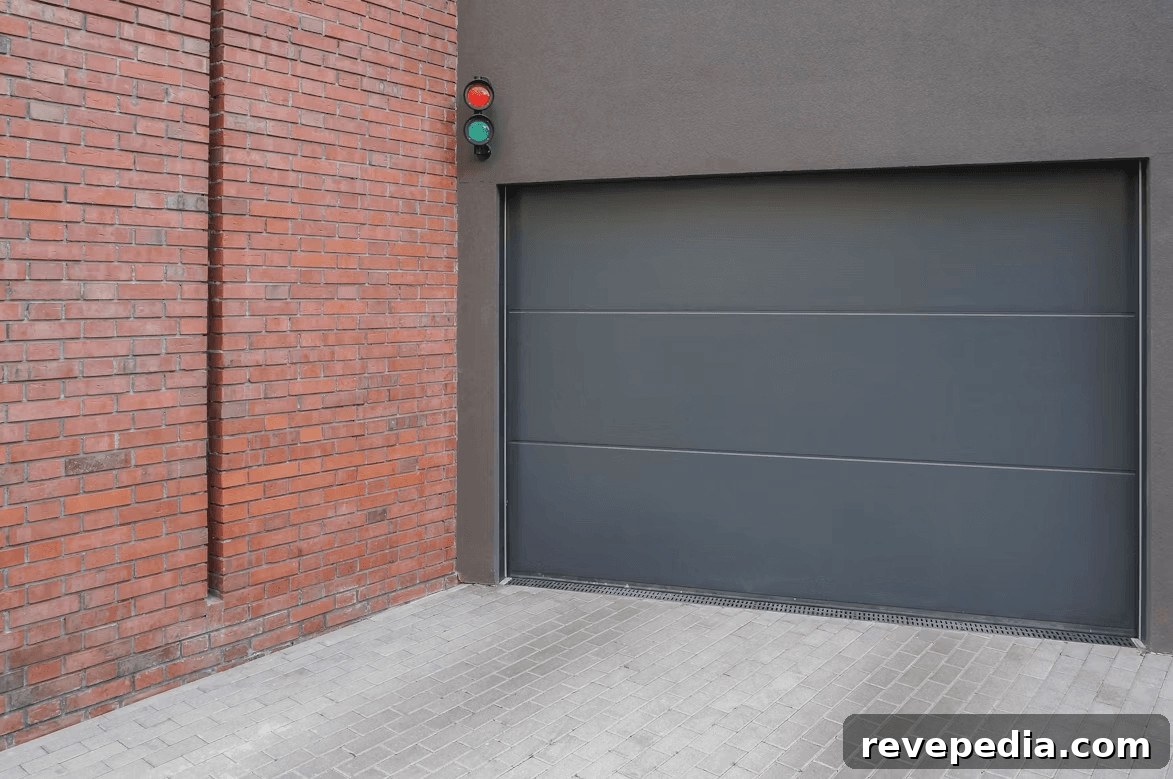
Smart garage door openers deliver convenience, improved security, and remote control capabilities, making them a strong choice for homeowners who want a modern, connected garage. In 2026, a broad range of models and features are available, so understanding the core functions, key features, and buying considerations helps you pick a system that fits your needs and integrates with your smart home.
When comparing smart openers, prioritize performance, compatibility, security, and long-term reliability to maximize value and ensure seamless integration with existing home automation devices.
How Smart Garage Door Openers Work
Smart garage door openers connect to your home network and provide multiple control methods:
- Smartphone apps for remote open/close, scheduling, and notifications
- Voice control through assistants such as Alexa, Google Assistant, or Siri
- Local controls like keypads, remotes, and in-car integrations
Most systems offer real-time status updates, activity logs showing when the door was operated, and push alerts for unexpected activity—features that enhance both convenience and home security.
Important Features to Look For
1. Connectivity and App Integration
- Confirm compatibility with your home Wi‑Fi band (2.4 GHz vs. 5 GHz) and router setup
- Choose apps that provide live notifications, remote status checks, and easy firmware updates
- Look for integration with your smart home platform so the opener works with lights, cameras, locks, and routines
2. Security Features
- Encrypted communication and secure account authentication to reduce hacking risk
- Automatic close and customizable schedules to prevent leaving the door open
- Tamper and forced-entry alerts to notify you of unauthorized access attempts
3. Power Backup Options
- Built-in battery backup keeps the opener functional during power outages
- Some systems offer optional solar or auxiliary power for enhanced resilience
4. Motor Strength and Speed
- Match motor capacity to your door’s weight—heavy doors need stronger motors
- Quieter belt-drive units are suitable when the garage adjoins living spaces
- Faster openers reduce wait times and improve convenience for frequent use
5. Safety Mechanisms
- Auto-reverse sensors and obstruction detection prevent injuries to people, pets, and vehicles
- Manual release provides access during emergencies
- Look for devices compliant with recognized safety standards such as UL 325
Types of Smart Garage Door Openers
- Belt Drive Openers
- Operate quietly and smoothly, ideal for attached garages
- Chain Drive Openers
- Durable and generally more affordable, though typically noisier than belt drives
- Screw Drive Openers
- Require less maintenance and perform reliably under heavier doors
- Jackshaft Openers
- Wall-mounted beside the door to free ceiling space and simplify smart integration
Energy Efficiency and Convenience
Modern smart openers often include energy-saving and convenience features that reduce daily effort and power use:
- Scheduled closing and geofencing options to automatically secure the garage
- Integrated lighting that turns on when the door operates or when motion is detected
- Remote diagnostics, automatic firmware updates, and cloud-based troubleshooting to minimize manual maintenance
These capabilities can lower energy waste and make daily routines smoother over the lifetime of the system.
Cost Considerations in 2026
Prices for smart garage door openers vary by features, motor type, and brand reputation:
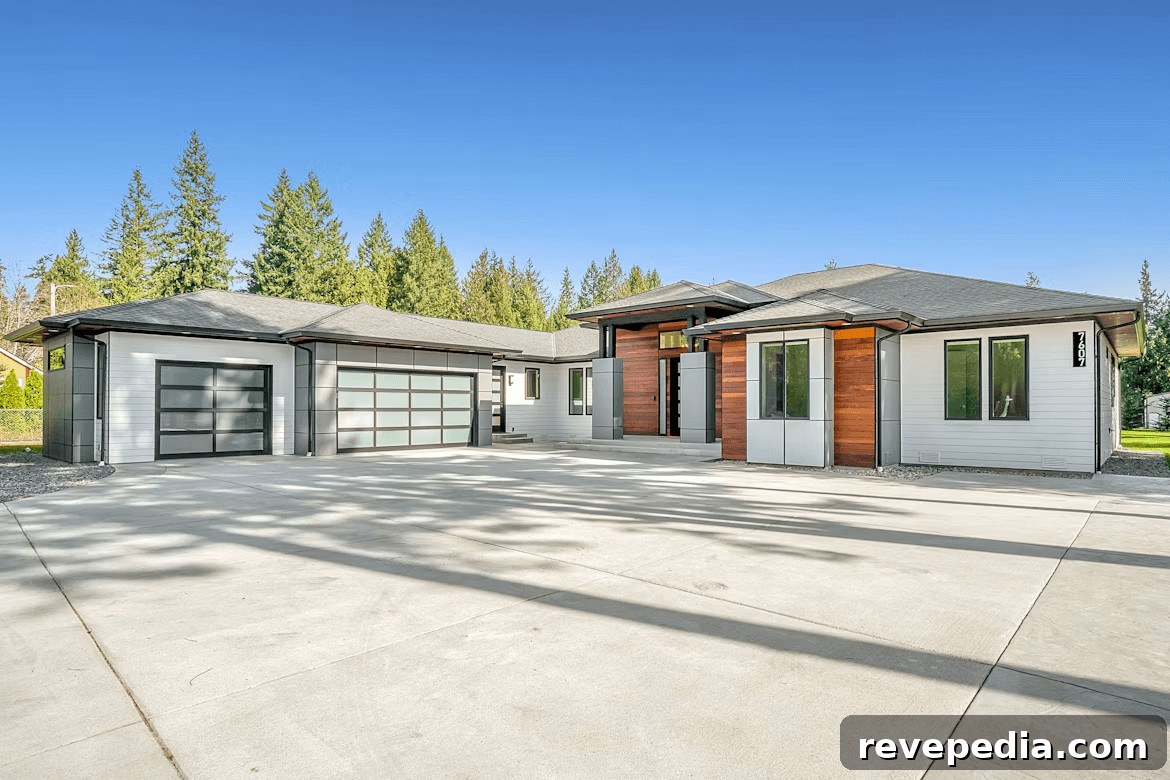
- Entry-level smart openers: $200–$350 — basic app control and standard safety features
- Mid-range models with advanced connectivity: $350–$500 — better motors, battery backup, and richer app integration
- Premium models: $500–$800+ — advanced security, faster motors, and professional-grade features
Budget for professional installation if needed; typical installation costs range from about $100 to $250 depending on door complexity and additional work like retrofit wiring or sensor alignment.
Maintenance and Longevity
- Inspect sensors, auto-reverse mechanisms, and hardware periodically to ensure safe operation
- Keep firmware and app software up to date to maintain security and functionality
- Lubricate moving parts annually and tighten hardware to reduce wear
- Replace remote and backup batteries as recommended by the manufacturer
Proper maintenance extends lifespan, reduces emergency repairs, and keeps your smart system secure and dependable.
Conclusion
Choosing the right smart garage door opener in 2026 means weighing connectivity, security, motor performance, and safety. Entry-level models provide basic remote convenience, while premium units offer advanced automation, stronger motors, and enhanced protection. Consider installation complexity, compatibility with your home automation platform, and ongoing maintenance costs to ensure the opener you choose delivers secure, reliable operation and long-term convenience.
Careful evaluation of features and professional installation when appropriate will help ensure your smart garage door opener contributes to home security, energy efficiency, and daily convenience for years to come.