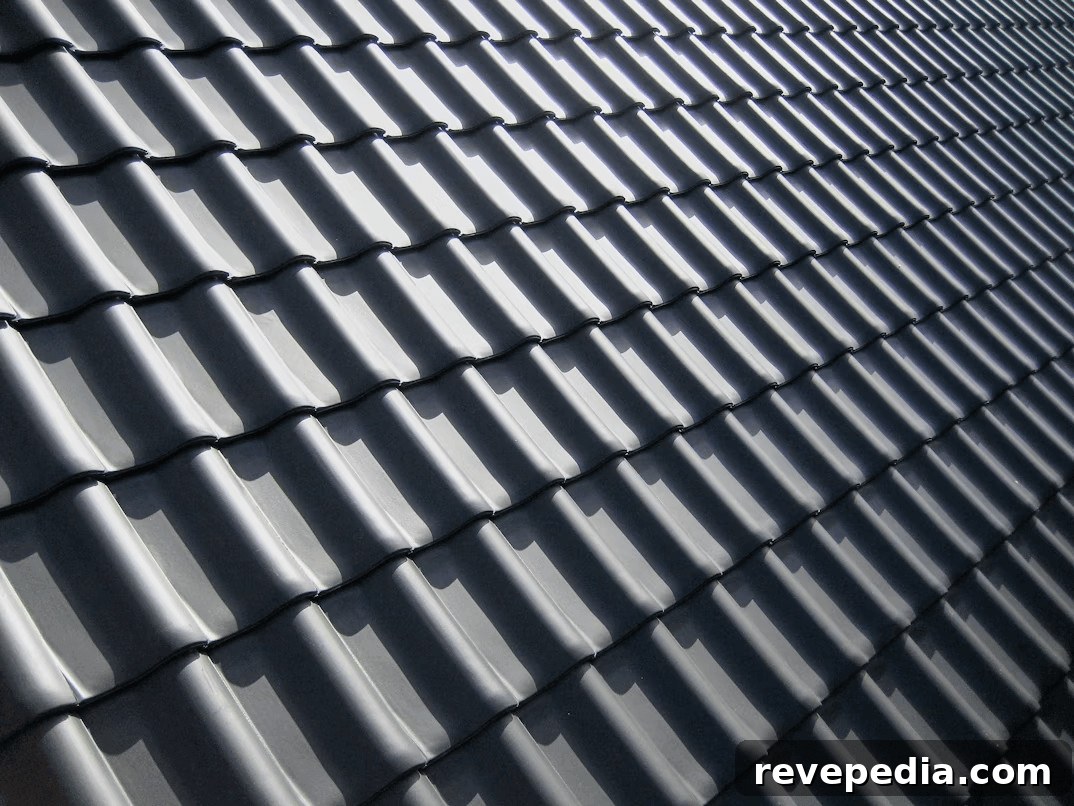
Your roof is the primary defense for your home against weather and environmental damage. Whether building a new house or replacing an aging roof, the material you choose determines how well the structure withstands local climate conditions and how much you will pay over the roof’s lifetime. Selecting the right option requires balancing performance in your region with your budget and long-term goals. This guide outlines the key factors that affect roofing performance so you can make a practical, cost-effective decision.
A properly built roof protects the interior, improves energy efficiency, and enhances curb appeal. Yet material quality alone is not enough—installation quality is equally critical. Even premium materials will fail prematurely if installed incorrectly. Correct installation includes using the right roofing fasteners and attachment methods to secure the roof against high winds and severe weather. Hiring an experienced roofing contractor helps ensure the work complies with local building codes and industry best practices.
How Climate Shapes Roofing Decisions
Local climate creates specific stresses on roofing materials. A product that fares well in a dry, mild region may deteriorate quickly in a humid, coastal, or snowy environment. Understanding the weather challenges where you live narrows down viable materials. Below are the common climate zones and how they influence material choice.
Hot and Arid Climates
In regions with intense sunlight and sustained high temperatures, heat resistance and energy efficiency are top priorities. Dark surfaces absorb solar energy and increase cooling loads, so materials with high solar reflectance are recommended. Clay and concrete tiles are traditional choices because they reflect heat, allow airflow beneath tiles, and reduce heat transfer into the attic. Metal roofing is also highly effective; it reflects solar radiation and cools quickly after sunset. Contrary to some misconceptions, metal roofs do not inherently make a house hotter and are often recommended for warm climates. Manufacturers also offer reflective coatings for metal panels and certain asphalt shingles to improve performance in extreme heat.
Cold and Snowy Climates
Areas with heavy snowfall and extended freezing temperatures need roofs that support significant weight and shed snow efficiently. Roof framing must be designed for heavy snow loads, and the roofing material must resist damage from freeze-thaw cycles that can expand small cracks into larger failures.
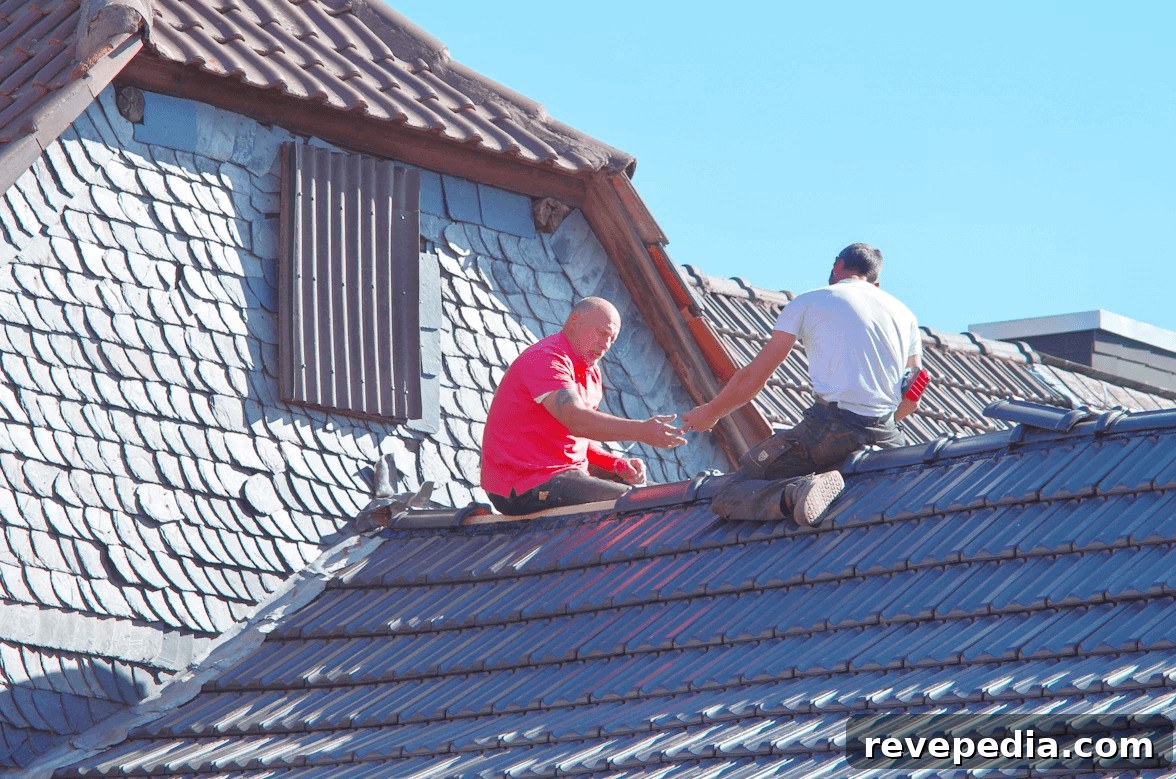
Natural slate and metal perform well in cold climates. Metal’s smooth surface encourages snow and ice to slide off, reducing accumulation and the risk of collapse. Proper attic insulation and ventilation are crucial to prevent ice dams—when warm attic air melts roof snow that refreezes at the colder eaves, causing water to back up under roofing materials and lead to leaks. A well-designed thermal envelope helps avoid these problems.
Humid and Rainy Climates
High humidity and frequent rain promote mold, mildew, algae, and moss growth—factors that accelerate material degradation and create staining. Moisture resistance is essential in these environments. Materials like untreated wood shakes tend to absorb water and require frequent chemical treatments, which makes them less practical for persistently wet climates.
Metal roofs, natural slate, and architectural asphalt shingles with algae-resistant granules perform better in wet conditions. Metal and slate are virtually impervious to water. Effective drainage is also vital: appropriately sized gutters, clear downspouts, and sufficient roof slope help move water quickly away from the building envelope and foundation, reducing the chance of leaks and water intrusion.
Coastal and High-Wind Areas
Coastal regions and hurricane-prone areas demand roofing systems with excellent wind resistance. High winds create uplift forces that can tear off roofing materials and expose the structure to water damage. In such areas, fastening systems, attachment details, and installation techniques are as important as the material choice. Incorrect installation often leads to water intrusion and the need for premature roof repair.
Metal roofing with interlocking panels and heavy-duty clips offers outstanding wind resistance. Heavier materials like natural slate or concrete tiles resist wind uplift when the roof structure is engineered to support their weight. High-performance asphalt shingles rated for high winds and installed with additional fasteners and high-strength adhesives can also be effective. Always ensure installations meet local wind code requirements to protect the home during severe storms.
Comparing Materials: Advantages, Drawbacks, and Costs
After narrowing options based on climate, evaluate materials by durability, maintenance needs, initial cost, and lifecycle value. Here is a concise overview of common residential roofing materials to help with that assessment.
Asphalt Shingles
Asphalt shingles are the most widely used roofing material in North America due to affordability and availability. They come as basic three-tab shingles or thicker architectural shingles that mimic wood or slate textures. Asphalt works well in moderate climates and suits many home styles.
The main advantage is low upfront cost and easy repairability. Lifespan typically ranges from 15 to 30 years depending on shingle quality and climate exposure. Downsides include faster deterioration in extreme heat, granule loss, and vulnerability to high winds if adhesive seals fail. While cheaper initially, asphalt may cost more over time because of earlier replacement and more frequent repairs.
Metal Roofing
Metal roofing is valued for durability, longevity, and energy efficiency. Available in standing-seam panels and stamped profiles resembling shakes or tiles, common materials include galvanized steel, aluminum, copper, and zinc.
Properly installed metal roofs can last 40 to 70 years, resist heavy snow, wind, hail, and fire, and are lighter than tile or slate. Drawbacks include higher initial cost and potential for noise during heavy rain unless the attic is well insulated. Given its long service life and low maintenance, metal is often a cost-effective long-term choice.
Clay and Concrete Tiles
Clay and concrete tiles create a distinct, long-lasting look, commonly used in Mediterranean and Southwestern architecture. They provide thermal benefits in hot climates and can last 50 years or more, with some clay roofs lasting a century.
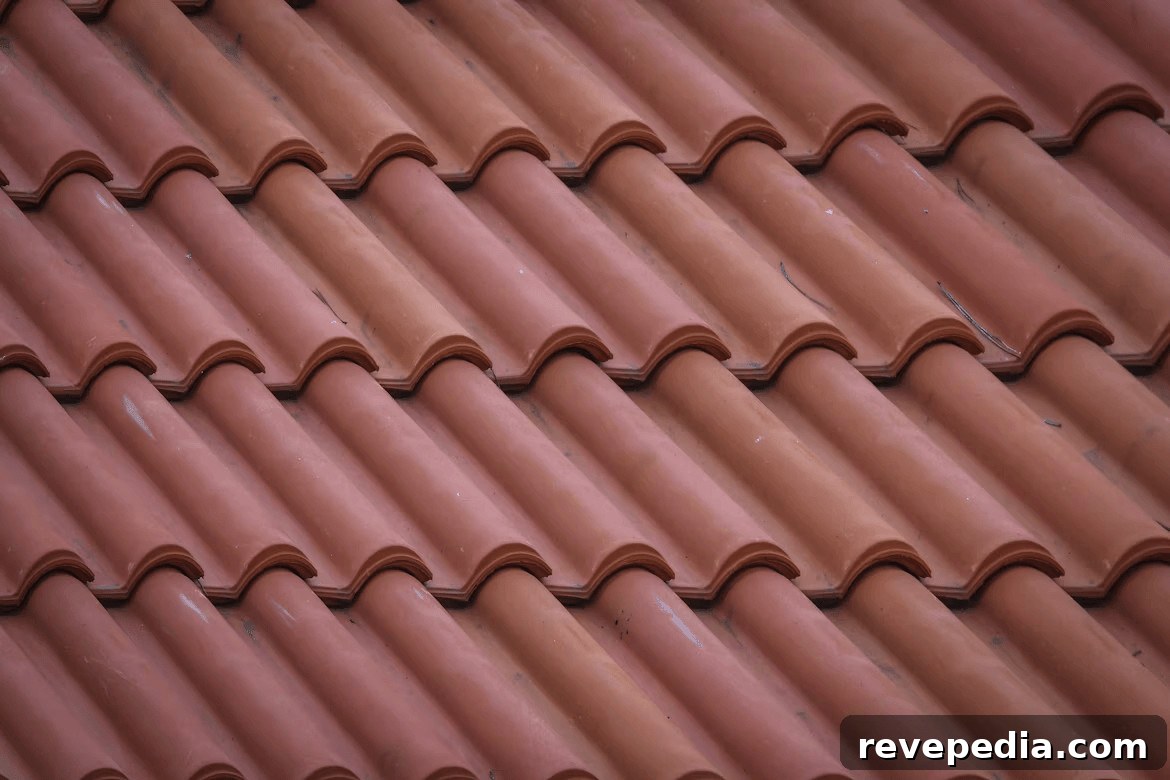
Tile roofs are heavy and require structural evaluation and reinforcement. Installation is specialized and labor-intensive, increasing upfront costs. Tiles resist fire and weather but are brittle and can break under foot traffic or falling debris.
Natural Slate
Natural slate is among the most durable options, with lifespans often exceeding 100 years. Slate is moisture-resistant, fireproof, and stable across temperature extremes, making it suitable for severe climates.
The primary limitations are cost and weight—both material and skilled labor are expensive, and roof framing must be reinforced. Slate is fragile underfoot, complicating routine maintenance. For historic or high-end properties prioritizing longevity, slate is an outstanding choice.
Wood Shingles and Shakes
Wood shingles (machine-cut) and shakes (hand-split) provide a natural, textured appearance, commonly made from cedar or redwood. With proper installation and maintenance, wood roofs can last 20 to 40 years.
Wood requires regular upkeep to prevent rot, mold, and insect damage. In fire-prone areas, factory-applied fire retardants are required but need periodic renewal. Wood sits between premium asphalt and metal in cost and suits homeowners committed to ongoing maintenance.
Balancing Upfront Cost and Long-Term Value
When choosing a roof, focus on lifecycle cost rather than just the initial price. Include material and labor, expected maintenance, repair likelihood, energy impacts, and projected lifespan. A higher initial investment in a long-lasting, low-maintenance material can yield lower total cost of ownership. Energy-efficient roofing can reduce utility bills, further offsetting higher upfront costs. Consider resale value as well: a durable, well-installed roof increases market appeal, while a deteriorating roof can lower offers and complicate home inspections.
Professional Installation and Ongoing Maintenance
Even the best materials will fail without proper installation. Hire reputable, licensed contractors who carry insurance and, when possible, manufacturer certification. Certified installers are trained for specific products and often provide extended warranties covering both materials and workmanship.
After installation, schedule regular inspections—especially after storms—to catch minor issues early. Keep gutters clear, maintain proper attic insulation and ventilation, and trim overhanging branches to prevent damage. Routine maintenance preserves performance and extends roof life.
Conclusion
Choosing the right roofing material requires weighing local climate conditions, budget constraints, maintenance tolerance, and long-term goals. Understanding how materials perform in your environment and calculating true lifecycle costs will help you select a roof that protects your home, boosts curb appeal, and delivers the best value. Finally, prioritize quality installation and ongoing maintenance—those factors determine whether the roof will meet expectations for durability and performance.