
Updating wall surfaces can instantly refresh any room during home improvements. Choosing the right materials creates a renewed atmosphere while protecting interior structural surfaces and extending the life of your walls.
Each room requires careful consideration of durability, texture, and light reflection. Matching wall finishes to a room’s function helps prevent premature wear and reduces the need for costly repairs down the line.
Understanding Basic Paint Finishes
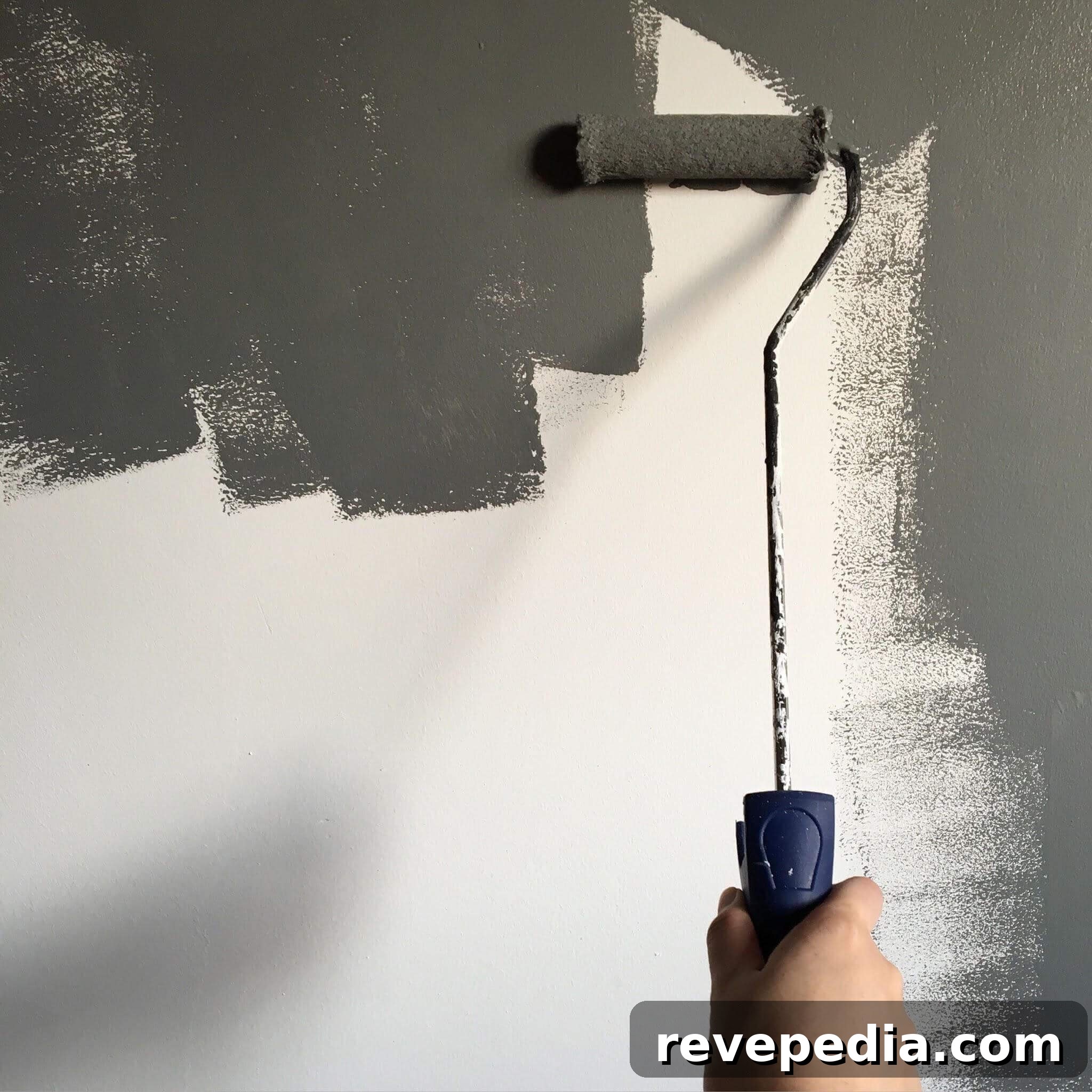
Paint sheens range from flat to high gloss, and each has distinct advantages in a residential setting. Matte and flat finishes conceal minor bumps and imperfections. High-gloss paints reflect light and withstand frequent cleaning, making them well suited to high-traffic areas.
Mid-sheen options like eggshell and satin offer a practical balance for living rooms, halls, and family spaces, delivering attractive appearance and reasonable durability. Many homeowners now favor low-VOC or natural formulations to support healthier indoor air quality while renovating living spaces. Proper surface preparation and application techniques ensure even coverage and a professional result in every room.
Smooth, washable sheens simplify maintenance in active households with children. Satin finishes clean easily without significantly altering color depth. Bathrooms and kitchens, which experience higher humidity and frequent cleaning, often perform best with glossier, moisture-resistant formulations.
Evaluating Textured Plaster Options
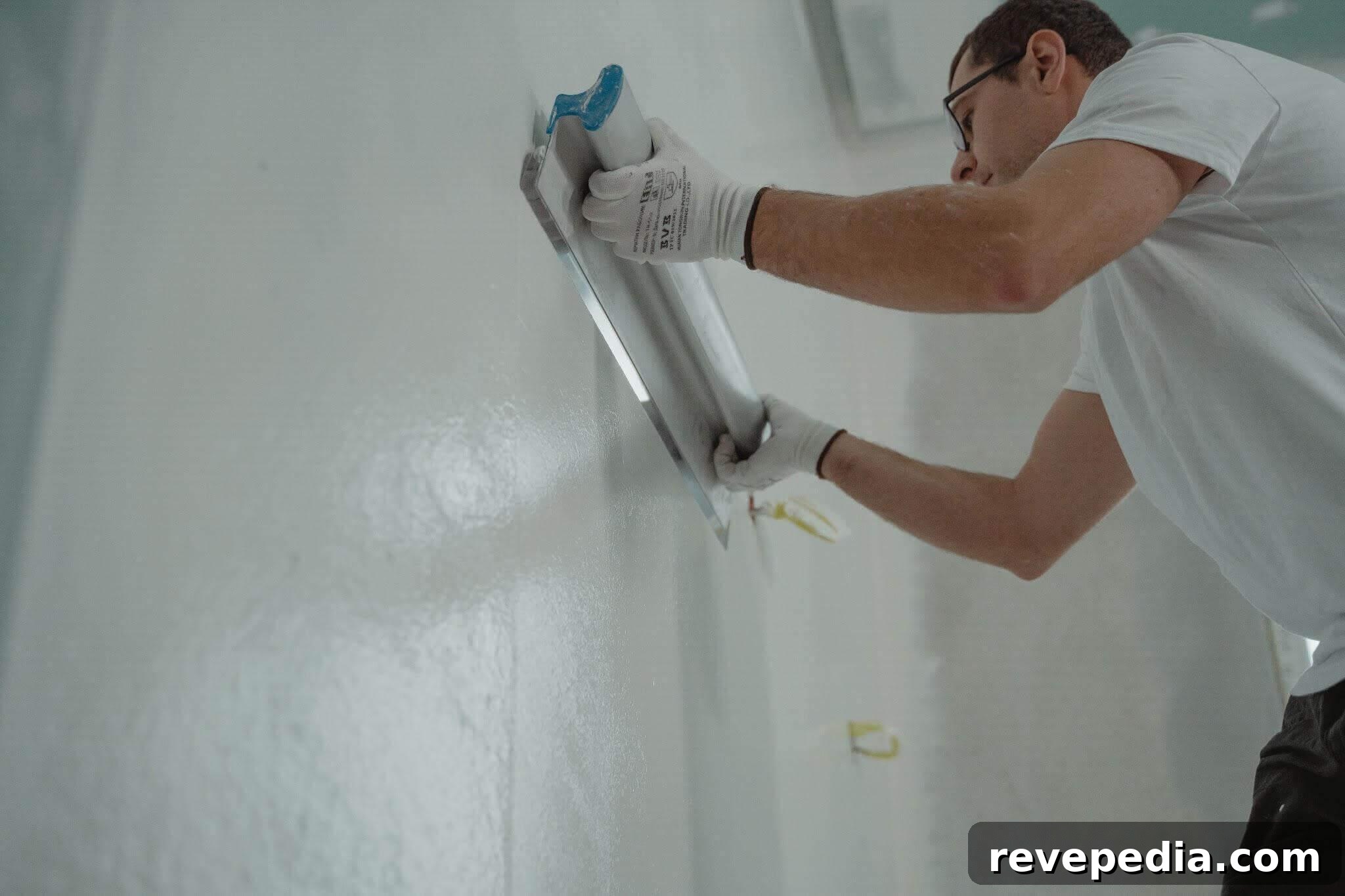
Textured plaster introduces depth and character to otherwise flat surfaces. Heavy plaster can conceal cracks and irregularities in older drywall, while smooth plaster contributes to a contemporary look with excellent durability.
Trowel and hand-applied techniques allow craftsmen to create distinctive feature walls that interact with natural light to create subtle and appealing visual effects. Gentle textures work particularly well on expansive walls in open-plan living areas where light disperses evenly.
Thick plaster systems require a solid backing and proper substrate preparation to remain stable. Heavy coatings need professional-grade prep work to avoid cracking as they cure across broad wall sections. Planning and correct installation are essential to ensure long-lasting performance.
Exploring Natural Limewash Coatings
Limewash provides a soft, earthy texture with a characteristic chalky finish that suits many interior styles. Because limewash is breathable, it allows trapped moisture to escape safely, which can help preserve masonry and older stonework when used appropriately.
On modern drywall or plaster, limewash adds subtle depth through natural color variation and a matte, tactile surface. Applying multiple thin coats builds gentle nuance across walls, and specialized brushes or soft motions create an even, handcrafted appearance. Consistent technique keeps the color distribution balanced across the entire surface.
Matching Wall Colors with Lighting Conditions
Light dramatically changes how paint colors appear throughout the day. North-facing rooms tend to read cooler and softer, while south-facing exposure can warm up neutral shades during bright afternoon hours.
Design professionals often recommend testing color samples in the actual rooms where they will be applied. Darker tones can create intimate, cozy corners, while lighter colors visually expand compact spaces without structural changes.
Try placing small sample boards on different walls and observe them under daylight and evening lamp light to avoid surprises. Watching how hues shift with changing light helps decide on the best final color before committing to full paint quantities.
Selecting Sheens for High-Traffic Spaces
Busy hallways, entryways, and play areas require finishes that resist daily wear. Satin and semi-gloss sheens hide scuffs and wipe clean with mild detergent, maintaining a fresh appearance with minimal touch-ups.
When choosing finishes for high-traffic rooms, consider:
- Level of moisture resistance needed for damp or humid areas
- Ease of removing fingerprints and scuffs
- How reflective the finish will be under natural and artificial light
Durable, higher-sheen paints reduce the frequency of touch-up painting in family homes. Kitchens and bathrooms benefit from moisture-tolerant formulas that protect drywall and plaster from steam and splashes.
Choosing Earthy Tones and Warm Neutrals
Warm browns, muted taupes, and soft beiges are increasingly popular alternatives to stark white. Rich terracotta and warm neutrals bring grounding energy to living spaces, while pale beige and sand tones create welcoming backgrounds for varied furniture and decor.
Gentle green tones, such as sage, remain versatile choices that introduce a calming, natural element inside the home and pair beautifully with timber and stone features. Earthy palettes help connect adjacent rooms with a cohesive color flow, while neutral backdrops allow artwork and furniture to stand out.
Preparing Interior Walls for New Coatings
Thorough preparation is the foundation of a long-lasting finish. Sanding rough spots and smoothing old paint edges creates a uniform surface for new coatings. Removing dust and debris ensures primers and topcoats adhere properly.
Follow these practical steps for smooth wall preparation:
- Patch deep holes and cracks with joint compound
- Sand patched areas smooth after they fully dry
- Apply a quality primer over raw patches and stains
Priming seals spackled areas and blocks stains from bleeding through, giving topcoats a consistent base. Proper prep work delivers professional-looking results every time you update your walls.
Maintaining Wall Surfaces Through the Years
Routine cleaning preserves paint color and finish without the need for full repaints. Use soft microfiber cloths to remove dust and a mild detergent solution for gentle spot cleaning. Avoid abrasive pads on low-sheen surfaces to prevent glossy spots.
Blot spills quickly to protect base coats from water marks and peeling. Keeping a small amount of touch-up paint and a fine brush on hand makes it easy to repair minor scuffs and edge nicks without repainting entire sections. Simple, regular maintenance keeps renovated walls looking fresh for years.
Successful renovations balance functional durability with aesthetic goals. Quality materials combined with proper preparation produce lasting beauty throughout the home. By matching room activity levels to appropriate sheens and testing colors under real lighting, homeowners can achieve satisfying, long-lasting results.