Tackling overgrown tree limbs is an excellent weekend project that improves your home’s safety and longevity. While a few low-hanging branches might not seem urgent, trimming them now can prevent serious problems later—such as branches breaking a window during a storm or falling onto the roof in high winds.
Overgrown limbs also create easy access for pests and rodents, which can use tree branches to reach soffits, eaves, or even enter the attic. Keeping branches trimmed reduces these entry points and helps protect the structural integrity of your home.
Additionally, wet leaves pressed against siding or trim encourage algae and fungal growth, which can accelerate wood rot and damage exterior finishes. Regular pruning keeps foliage away from the house, improving airflow and reducing moisture buildup that leads to decay.
If you haven’t been convinced to prune yet, consider the long-term savings: routine trimming prevents expensive repairs, reduces the risk of storm damage, and promotes healthier trees by removing weak or crowded limbs.
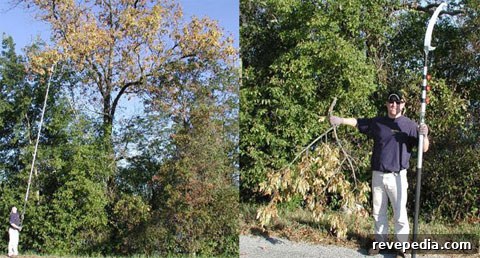
Trimming is often as simple as using a pole saw to remove a few problem branches. For most homeowners, cutting back just enough to clear the roofline, gutters, and windows is effective and relatively quick. When using a pole saw, follow basic safety precautions—wear eye protection, gloves, and a hard hat if working beneath large limbs, and avoid overreaching. For tall trees or complex cuts, consult a professional arborist to ensure safe, correct pruning.
Regular maintenance also benefits the trees themselves. Proper pruning helps maintain structure, reduces disease risk, and improves sunlight penetration and air circulation through the canopy. Make cuts at appropriate points—just outside the branch collar—to encourage healthy healing and reduce the chance of decay.
In short, spending a little time pruning overgrown limbs protects your home from storm damage, deters pests, prevents moisture-related rot, and promotes healthier trees. A few careful cuts now can save you money and hassle later, while keeping your property safer and more attractive.
photo: North Central Regional Plant Introduction