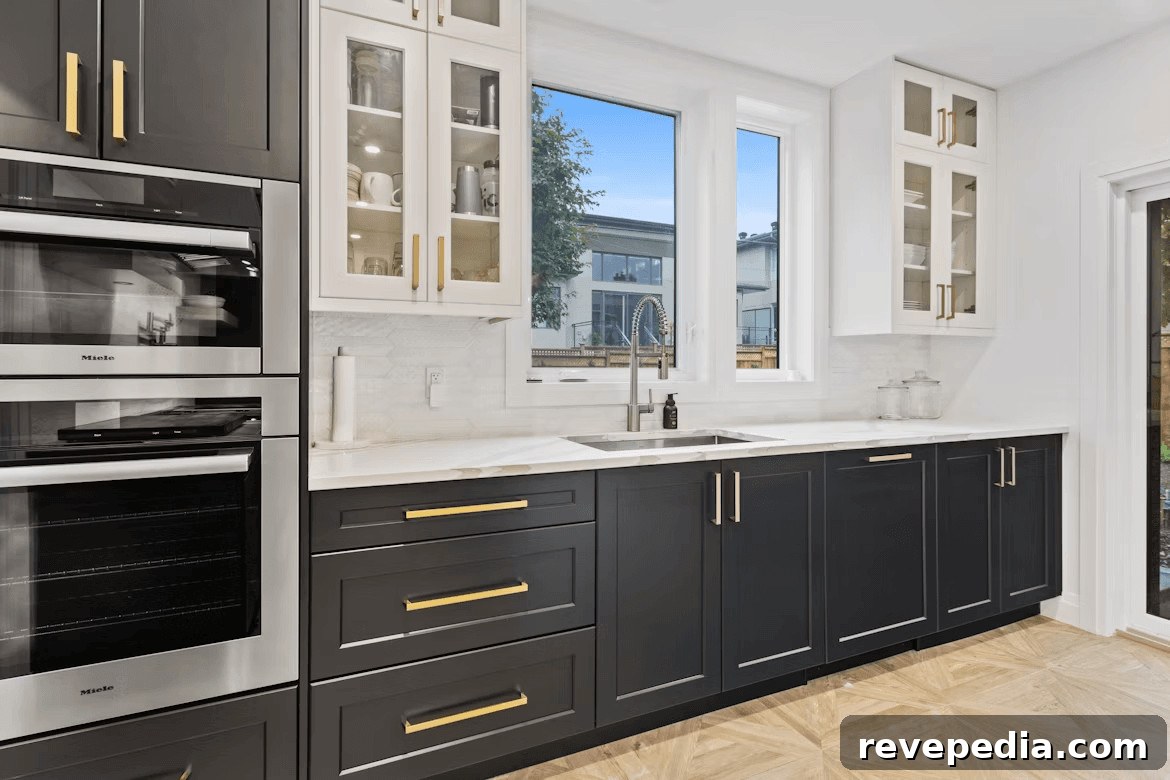
Aluminum profiles form the structural framework for modern cabinets and wardrobes, but their prices range widely depending on many variables. A simple frame profile may cost only a few dollars per meter, while a specialized extruded section for a high-end wardrobe door can be several times more expensive. Understanding the factors that drive those price differences helps you make smarter buying decisions and avoid paying for unnecessary features.
Costs for aluminum profiles in cabinet and wardrobe production are driven by material selection, extrusion design, surface treatments, order size, and required quality standards. Below is a clear breakdown of the elements that most strongly influence price and why each matters for builders, specifiers, and manufacturers.
Alloy Grade and Raw Material Composition
The chosen alloy establishes the baseline cost. Different aluminum alloys include varying amounts of silicon, magnesium, manganese, or copper, and these differences affect strength, machinability, finish quality, and price. For furniture framing and visible trim, 6063 is commonly used because it balances a good surface finish with adequate strength at a reasonable cost. Upgrading to stronger alloys like 6061 increases tensile strength but also raises material cost per kilogram.
Aluminum is a traded commodity, so raw-material pricing fluctuates with the metals market and global supply-demand dynamics. Chemical purity and impurity levels determine whether a batch meets architectural-grade specifications, which commands a premium, or industrial-grade tolerances, which are less expensive. Request mill test certificates to verify alloy composition and mechanical properties before placing significant orders.
Extrusion Design and Profile Geometry
Profile complexity has a major impact on cost. Extrusion forms heated aluminum billets into a cross-sectional shape using a steel die. Simple shapes like rectangular tubes require basic dies and lower costs; complex sections with multiple chambers, interlocking features, decorative grooves, or thin walls need precision dies that cost substantially more to manufacture.
Die tooling can range from a few hundred dollars for simple shapes to several thousand dollars for intricate profiles. That tooling cost is amortized across the order quantity: small runs of a complex profile mean a higher per-meter price, while larger runs reduce that burden. Tight dimensional tolerances also reduce extrusion speed and increase inspection time, further increasing cost. For high-volume wardrobe production, custom dies often pay off; for prototypes or small projects, standard off-the-shelf profiles are usually more economical.
Surface Finish and Anodizing Options
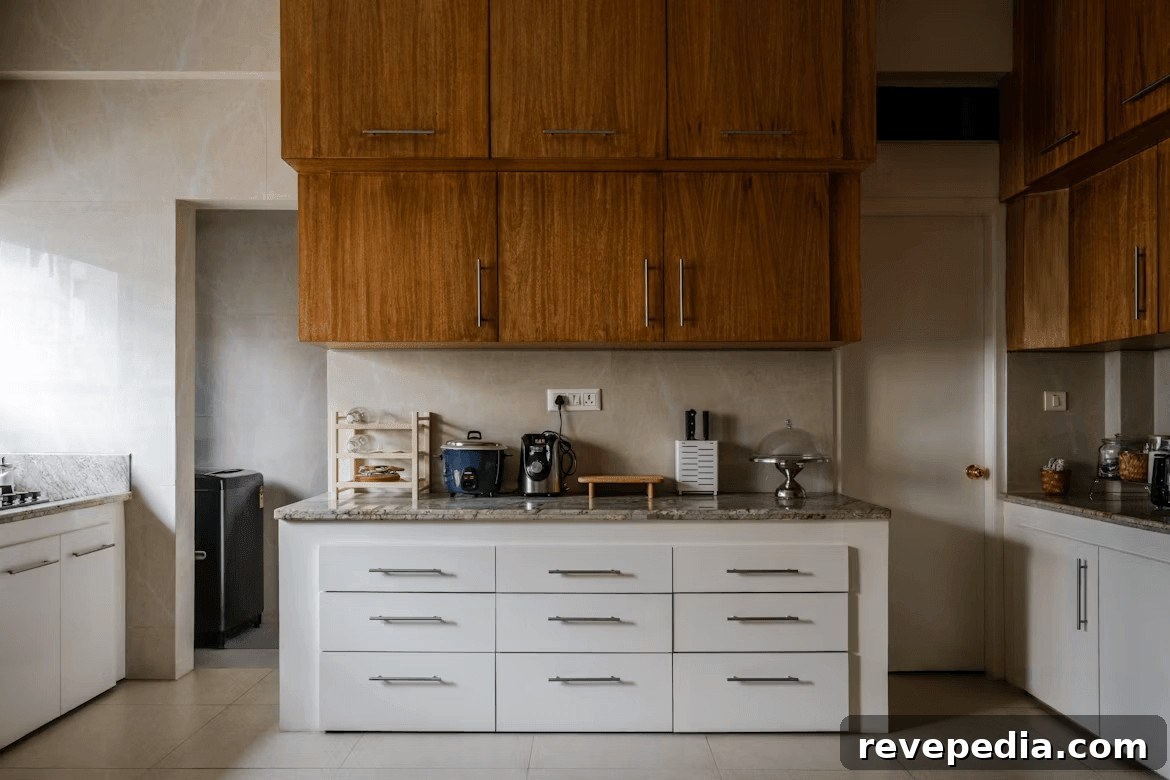
Surface treatment choices add incremental costs and influence aesthetics and durability. Raw mill-finish aluminum is the least expensive but is typically unsuitable for visible furniture components because it oxidizes and scratches more easily. Anodizing creates a hard, corrosion-resistant oxide layer and is the standard finish for many cabinet and wardrobe applications.
Anodizing expenses are driven by coating thickness and color. Standard clear or satin finishes at common thicknesses set a baseline price. Darker colors such as black often require thicker or longer anodizing processes and can add 15–25% to the cost compared with lighter metallic finishes. Powder coating offers a wide color palette but introduces an additional processing step and associated labor and materials. Specialty surface effects—brushed textures, wood-grain transfers, or textured powders—add more process stages and therefore more cost. For high-end wardrobes, buyers accept these premiums because appearance is a primary selling point.
Order Volume and Minimum Quantities
Order size is one of the most influential cost levers. Extrusion benefits from long, continuous runs: setup, die installation, and startup scrap are fixed costs that diminish per unit as production volume increases. A 500-meter order of a common frame may cost far more per meter than a 10,000-meter order of the same profile.
Manufacturers typically enforce minimums—often 200 to 500 kilograms per profile shape—because that threshold justifies the production setup. Smaller orders usually incur surcharges or setup fees. Small workshops can mitigate these costs by consolidating different profiles into one order, choosing standard profiles already in stock, or participating in group buys with other builders. Managing order quantities strategically is one of the simplest ways to reduce per-unit costs.
Tolerances, Certifications, and Quality Requirements
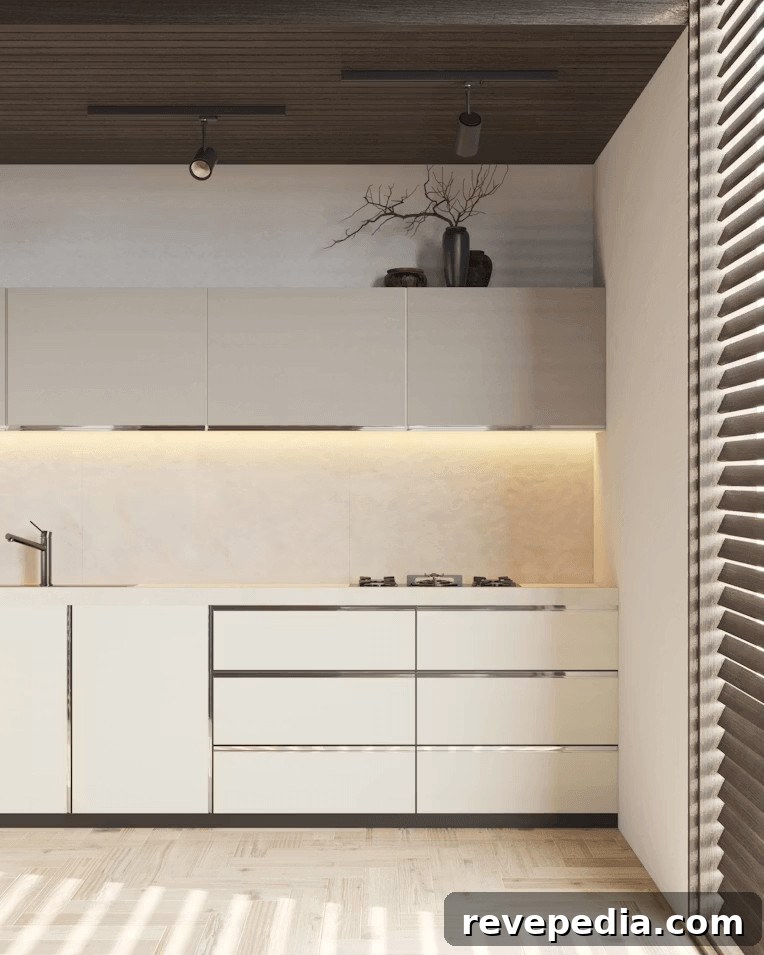
Higher precision and certification requirements increase cost. Standard commercial profiles typically meet established industry specifications, which are sufficient for many cabinetry applications. However, products like sliding-door systems with tight-fit hardware or snap-fit assemblies often require tighter tolerances, which slows production and increases inspection and rejection rates.
Certifications and verifications—such as dimensional and mechanical compliance, environmental restrictions, ISO quality management, or third-party finish thickness reports—add testing, documentation, and traceability expenses. Residential custom shops might not need these extra assurances, but commercial or multiunit projects often require certification to reduce liability. Match the level of certification to the risk and scope of the project to avoid unnecessary expense.
Conclusion
Aluminum profile pricing for cabinets and wardrobes is the result of layered choices: alloy grade, profile complexity, surface finish, order volume, and quality standards. None of these factors stands alone, and each decision affects the final price and performance. By understanding how these elements interact, you can balance cost and quality more effectively—choosing standard profiles and finishes where appropriate, investing in higher-spec materials only when necessary, and optimizing order quantities to achieve the best value for each project.