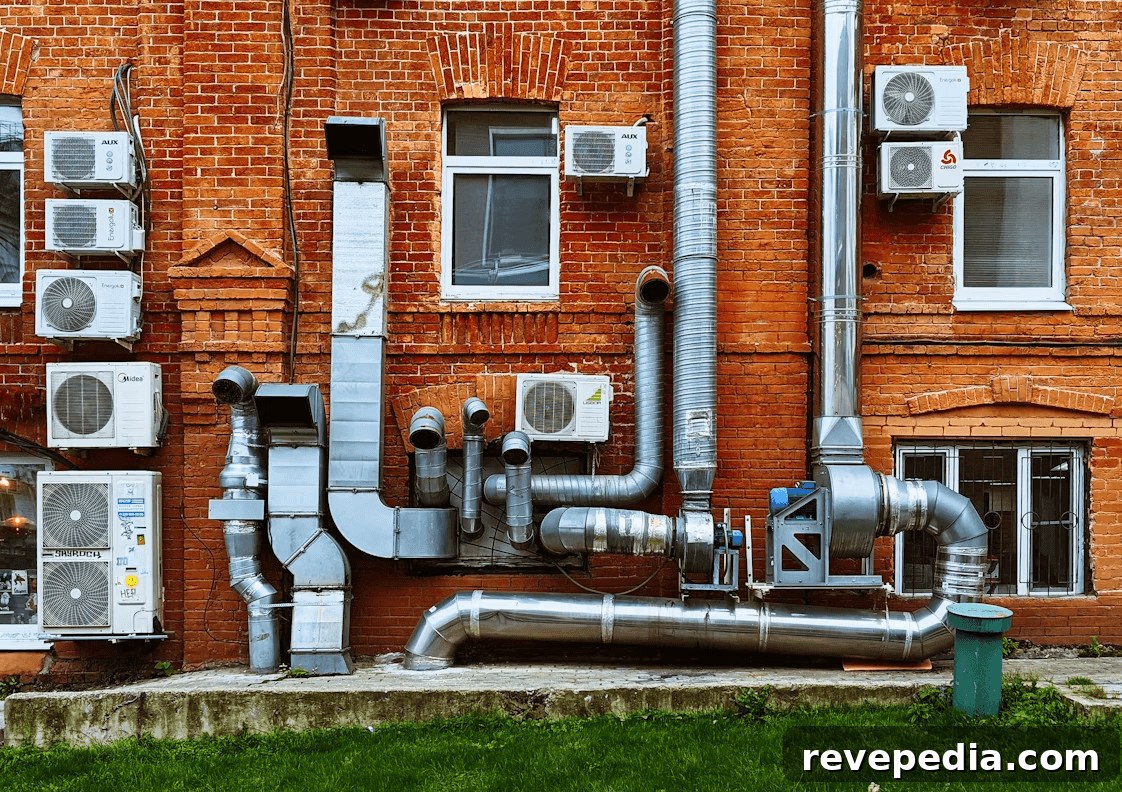
When summer temperatures climb or winter cold sets in, you need a dependable HVAC system to keep your home comfortable. Heating, ventilation, and air conditioning (HVAC) systems regulate indoor temperature and air quality, and when they’re not performing well you’ll notice it right away. Regular inspections, timely repairs, and basic maintenance can keep your system running efficiently, reduce energy costs, and extend the life of your equipment.
You don’t need to be an expert to spot many common issues. With a few simple checks you can identify signs that your system needs attention or decide when to call a qualified technician. The steps below explain how to inspect, maintain, and troubleshoot both heating and cooling systems to ensure reliable performance year-round.
Regular Inspections
Perform routine inspections at least every few months and before major seasonal changes. Start by checking the air filters. Dirty or clogged filters restrict airflow, force the system to work harder, and increase energy use. Replace disposable filters or clean reusable ones on a regular schedule—typically every 1–3 months depending on usage and filter type.

Inspect the outdoor unit for debris, leaves, or ice buildup. Blocked airflow around the condenser reduces efficiency and can lead to overheating. Keep at least two feet of clearance around the unit and trim plants away. Check ductwork for visible damage, gaps, or disconnected sections—sealing leaks helps retain conditioned air and lowers utility bills.
Listen to the system while it runs. Unusual sounds—such as banging, grinding, rattling, or loud hissing—often indicate mechanical problems or airflow issues. If you hear anything abnormal, schedule a professional inspection to diagnose and fix the root cause before it leads to more costly repairs.
Air Conditioner Repair
Air conditioners bear the brunt of summer heat and need proper care to cool efficiently. If your AC isn’t cooling properly, start with basic checks: verify thermostat settings, replace the batteries if present, and ensure the thermostat is set to “cool” and to a reasonable set point. Sometimes a simple thermostat issue is the cause.
Next, examine the outdoor condenser unit. Make sure nothing obstructs the coils or fan, and clean away leaves, grass clippings, and dirt. A dirty condenser coil reduces heat transfer and forces the compressor to run longer, increasing wear and energy use. Straightening bent fins and clearing vegetation around the unit improves airflow and performance.
If cleaning and thermostat adjustments don’t restore proper cooling, the problem could be low refrigerant, a faulty compressor, or an electrical issue. Because refrigerants are regulated and handling them requires specialized equipment and certification, contact a licensed HVAC technician for diagnosis and repair. Professionals can safely recover, test, and recharge refrigerant and address complex mechanical failures.
Working with HVAC Companies
HVAC companies Winnipeg and similar local service providers offer trained technicians who can perform thorough diagnostics, maintenance, and repairs. Hiring a professional ensures repairs meet safety standards and that complex problems—electrical faults, refrigerant handling, or compressor failures—are resolved correctly.
A certified technician can identify inefficiencies you might miss, recommend energy-saving improvements, and suggest system upgrades when appropriate. Many companies also offer maintenance plans that include scheduled tune-ups, priority service, and discounts on repairs. These plans help prevent unexpected breakdowns and keep your system operating efficiently throughout the year.
Signs of Trouble
Early detection prevents bigger problems. Watch for these common warning signs: inconsistent temperatures between rooms, unexplained increases in energy bills, unusual noises during operation, or frequent on/off cycling (short cycling). Each can indicate issues such as thermostat malfunctions, blocked airflow, failing components, or improper system sizing.
Moisture, drips, or standing water near the unit or in the ductwork can point to clogged condensate drains or a failing condensate pump. Excess moisture contributes to mold growth and can damage building materials, so address leaks promptly. If your system runs constantly or fails to reach set temperatures, call a technician for a full evaluation.
DIY Maintenance Tips
Regular DIY maintenance helps preserve system efficiency. In addition to changing filters, clean around outdoor units, straighten bent fins with a fin comb, and ensure vents and registers are unobstructed. Check and clear condensate drain lines to prevent clogs—using a wet/dry vacuum or a gentle flush can remove buildup in many cases.

Seal gaps and leaks around windows, doors, and where ductwork passes through walls. Apply caulking and weatherstripping as needed to reduce air infiltration and improve overall comfort. Simple habits—like shading outdoor units from direct sun and setting thermostats to energy-conscious levels—also lower strain on your system.
Maintaining your HVAC system is a combination of regular inspections, prudent DIY care, and professional servicing when needed. By staying proactive—changing filters, keeping the outdoor unit clear, watching for warning signs, and scheduling professional tune-ups—you’ll improve comfort, reduce energy costs, and extend the life of your HVAC equipment. Keep your system in good condition to stay comfortable year-round and avoid unexpected breakdowns. Learn more about inspecting your HVAC system here.