
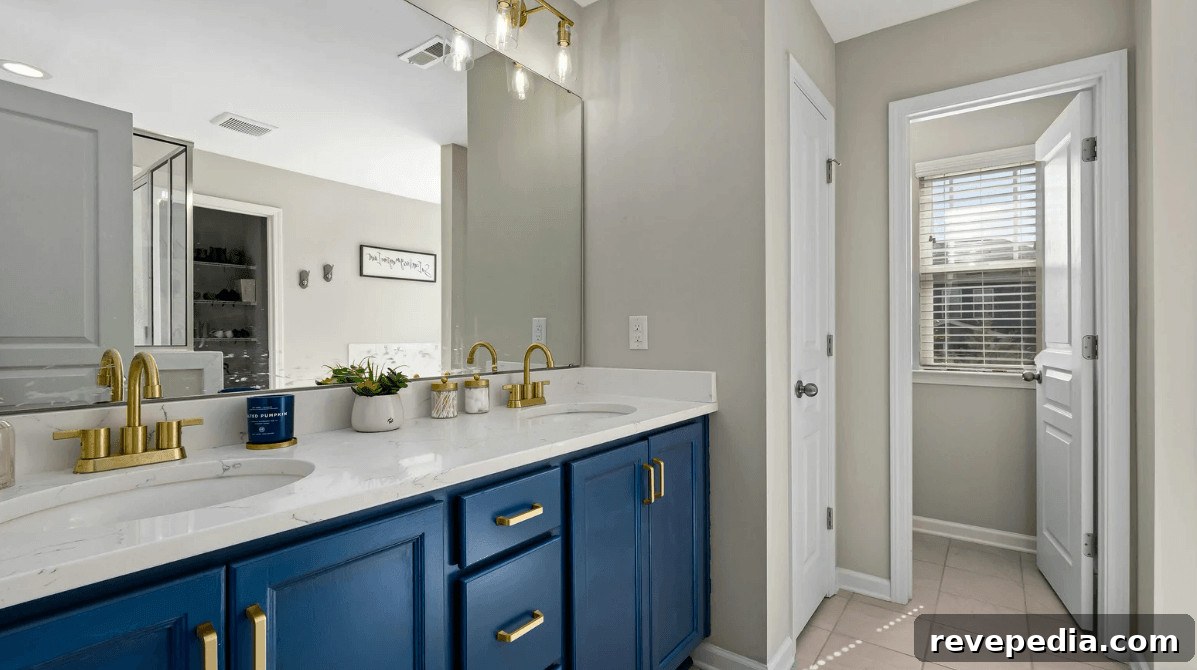
A sleek showroom photo can be inspiring, but your actual bathroom has plumbing lines, storage realities, and daily traffic to manage. Before you choose tile or fixtures, it helps to understand how layout, budget, materials, and your local climate and housing type will shape the final result. Whether you’re updating a 1920s Spanish bungalow in Los Angeles or an early 20th-century brick home in Indianapolis, the same principle applies: spend money fixing the issues your bathroom truly has, not the ones you only see in magazines.
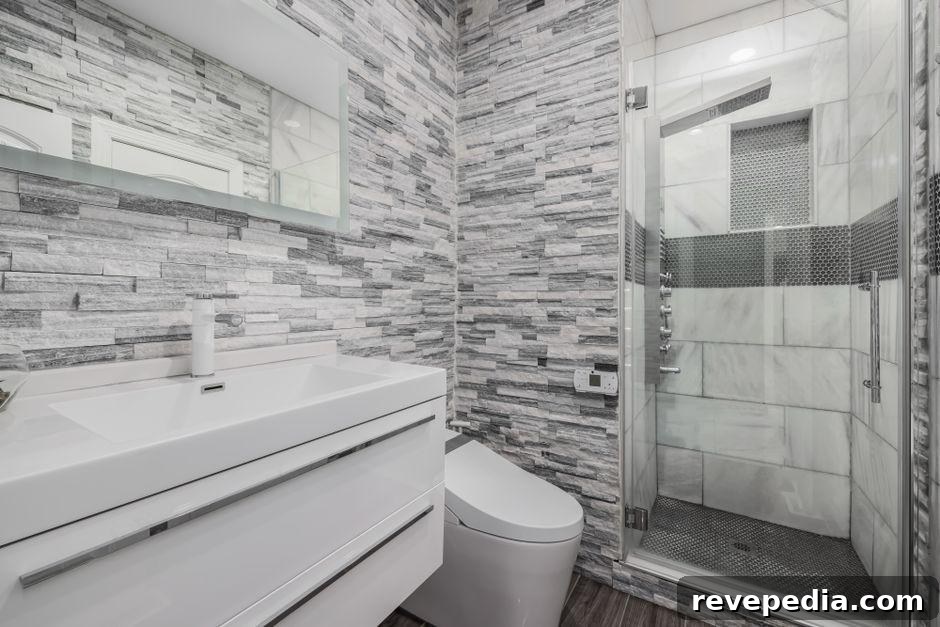
Source: Pexels
Start With the Problems Your Bathroom Actually Has
A successful remodel begins with clear-eyed honesty. Walk through your bathroom and make a list of the day-to-day annoyances. Maybe the shower is cramped, the vanity lacks storage, or the lighting makes morning routines harder than they need to be. These practical complaints matter far more than chasing every trend you saw online.
Separate cosmetic issues from functional ones. Peeling paint and worn hardware are cosmetic and relatively inexpensive to fix. Active water damage, poor ventilation, faulty plumbing, and structural concerns are functional problems that should be prioritized—new finishes laid over unresolved issues will only hide them temporarily.
Consider who uses the space and how often. A primary bathroom used by daily occupants has different needs than a guest bath. If children, older adults, or a busy household use the room, layout, flooring, and fixture choices should match real-life traffic patterns, not spa-style marketing photos.
Understand How Your Home and Climate Influence Bathroom Design
The age, style, and construction of your home determine what changes are realistic and cost-effective. Older homes often have tighter bathroom footprints and less built-in storage. Moving plumbing or expanding a room can be done, but it frequently costs more than homeowners anticipate. Respecting the bones of the house while finding clever solutions can deliver big improvements without unnecessary expense.
Climate matters as well. Dry climates may be more forgiving, but moisture still causes problems if ventilation is inadequate. In regions with humid summers and cold winters, like much of the Midwest, ventilation, insulation, and moisture-resistant materials should receive extra attention because temperature and humidity swings can accelerate wear on grout, paint, and woodwork.
If you’re exploring renovation options in a specific region, look for local examples of work and services that reflect common layouts and typical climate challenges so you can plan accordingly.
Set a Budget That Covers More Than the Pretty Stuff
Many homeowners build a budget focused on visible elements—tile, vanities, and fixtures—which is logical but incomplete. A reliable budget also accounts for demolition, plumbing and electrical work, waterproofing, labor, permit costs, and an allowance for surprises discovered behind walls or under floors.
Divide your budget into clear categories:
- Essential functional repairs and code updates
- Core design upgrades that improve daily use
- Optional aesthetic enhancements and luxury features
- A contingency fund for unexpected findings
The contingency fund matters. Older bathrooms commonly reveal hidden leaks, mold, or subfloor damage once demolition begins. Setting aside roughly 10 to 20 percent of your budget for surprises gives you breathing room; older homes often require the higher end of that range. Also decide where splurging delivers real value: a durable shower system or a quality exhaust fan typically outperforms an ornate feature you quickly stop noticing.
Consider Whether You Need a Full Remodel at All
Not every bathroom needs to be gutted. If the current layout works and your main complaints are a worn tub, an outdated shower, or a high tub wall, targeted replacements—like a tub-to-shower conversion or an acrylic shower surround—can resolve the issue for a fraction of the cost and time of a full tile remodel. These solutions usually require less demolition and can often be completed much faster, sometimes in a day.
Save a full remodel for bathrooms that truly need layout changes, plumbing relocation, or extensive water damage repairs.
Choose Materials That Can Handle Daily Use
Bathrooms endure steam, water, temperature changes, cleaning products, and frequent use. Select materials that balance durability with style so they still look and function well over years of heavy use.
Porcelain tile is a strong choice for floors and shower walls because it is durable, water-resistant, and available in many looks that mimic stone or wood without the maintenance issues. Quartz countertops are popular for vanities because they resist staining, require little upkeep, and stand up well in busy households. To reduce maintenance, consider acrylic or solid-surface shower walls that minimize grout lines.
When choosing paint, cabinetry, or flooring, pick products rated for high-moisture environments; that small detail prevents warped trim and peeling finishes months after installation. Prioritize slip-resistant flooring, easy-clean surfaces, and functional storage so the space performs comfortably every day.
Pay Close Attention to Layout, Lighting, and Storage
High-end finishes mean little if the layout is awkward. Space planning does the heavy lifting: think about movement and clearances so doors, drawers, and the shower are accessible without side-stepping or squeezing.
Small layout changes—such as switching from a swinging door to a pocket door or resizing a vanity—can improve flow more effectively and affordably than a full redesign. Layered lighting is essential: use task lighting at mirrors, ambient ceiling fixtures, and dedicated shower lighting to avoid shadows and create a more functional, inviting space.
Design storage around daily habits. Useful solutions include:
- Drawers sized for grooming tools and small appliances
- Medicine cabinets or shallow built-ins with adjustable shelves
- Recessed shower niches for toiletries
- Vertical storage or linen cabinets to keep counters clear
Don’t Ignore Ventilation and Waterproofing
Ventilation and waterproofing aren’t glamorous, but they protect all the visual work you do. Poor ventilation allows humidity to linger and causes mold, peeling paint, and damaged wood. Choose an exhaust fan sized appropriately for the room; a common guideline is about 1 CFM (cubic foot per minute) per square foot of floor space for bathrooms up to 100 square feet. If the current fan is noisy and underpowered, replace it.
Waterproofing is crucial in showers and tub areas. Proper underlayment, sealed transitions, and correctly installed wall systems keep water where it belongs. Cutting corners on waterproofing can undo thousands of dollars in finishes later. During planning, ask which waterproofing methods will be used, how seams and corners will be protected, and how the installation will direct moisture away from vulnerable areas. You don’t need to become a contractor, but you should expect clear, specific answers.
Think About Resale Without Designing for a Stranger
Enjoy your bathroom now, but keep resale in mind. Buyers tend to prefer clean lines, solid storage, modern fixtures, and durable finishes that feel current without being overly trendy. Neutral, well-executed foundations usually age better than bold experiments that lock the room into a particular style.
That doesn’t mean you must build a bland showroom. Personal touches—warm wood tones, matte black fixtures, or a favored tile—can work if the overall design remains cohesive and functional. The best remodeling decisions balance three priorities:
- Your daily comfort and habits
- Long-term durability and low maintenance
- Broad market appeal to future buyers
A bathroom that functions well, feels fresh, and holds up over time will almost always outperform one designed only for dramatic before-and-after photos.
Plan the Project Timeline With Realistic Expectations
Remodels rarely feel quick when they disrupt your routine. Even smaller projects can affect mornings, privacy, and access to storage. Before work begins, ask for a clear timeline that breaks down demolition, plumbing, electrical, installation, finishing, and any inspections. Check local permit requirements so scheduling and compliance don’t surprise you. Timelines can shift when materials are delayed or hidden issues appear, but a structured schedule helps everyone prepare.
If this is your only bathroom, make temporary living plans: adjust schedules, set up essentials elsewhere in the house, or plan work around key days. A one-day tub or shower replacement can be invaluable when you need minimal disruption compared with a multi-week gut remodel.
Enter the remodel with clear priorities, a realistic budget, and a sensible timeline. When you focus on the real problems, choose durable materials, and plan for ventilation and waterproofing, you’re much more likely to end up with a bathroom that’s both beautiful and built to last—worthy of the inconvenience it takes to get there.