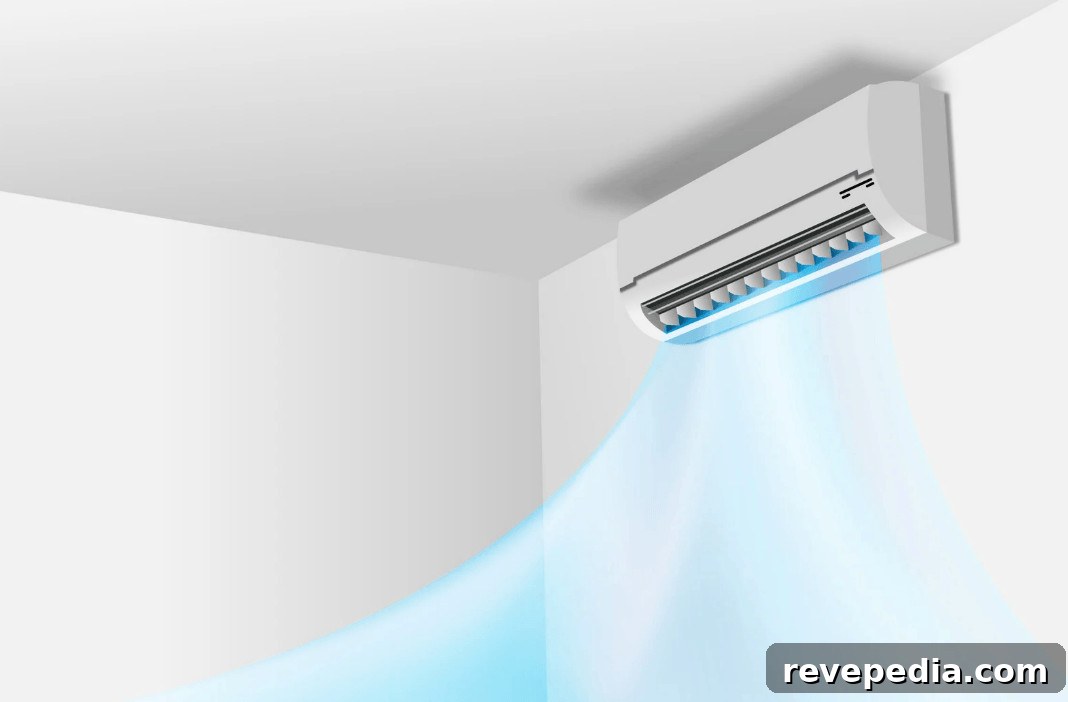
Upstate South Carolina summers bring not only intense heat but also persistent humidity that lingers for months. That combination makes correctly sizing an air conditioning system more complex than many homeowners realize. Bigger is not always better: an oversized AC can make a home feel cold yet clammy, while an undersized unit runs constantly without ever catching up. Proper equipment selection and system design matter for comfort, efficiency, and long-term reliability in Greer and similar Upstate communities.
Why Bigger Isn’t Automatically Better
In a humid climate the air conditioner’s job goes beyond simply lowering temperature. It must also remove moisture from indoor air. When a system is oversized for the conditioned space, it cools quickly and cycles off before it completes the dehumidification process. The thermostat may show the setpoint has been reached, but the indoor environment remains sticky and uncomfortable. That’s a common complaint from Upstate homeowners who install a powerful new unit and still feel clammy indoors.
On the other hand, an undersized unit struggles to keep up during peak heat, running nearly continuously and failing to reach the thermostat setpoint. Continuous operation increases wear and tear, shortens equipment life, and often raises energy costs without delivering the desired comfort.
What Correct Sizing Actually Involves
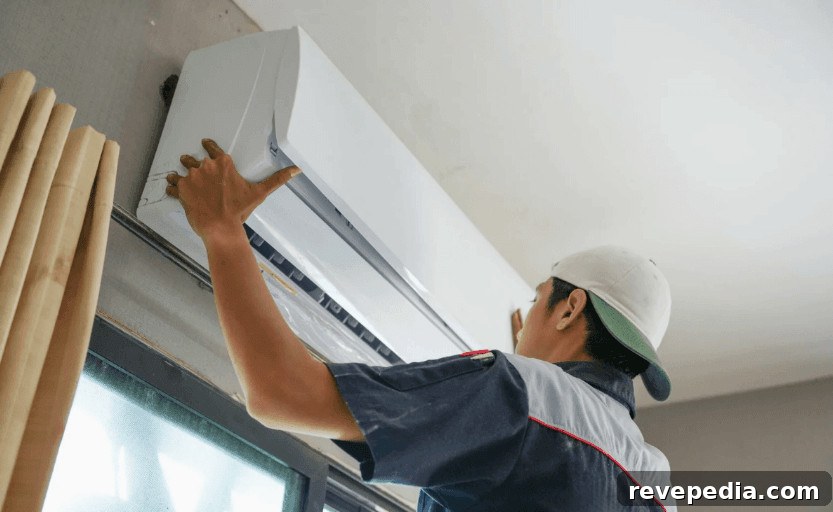
Sizing an AC system correctly requires more than a rough square-footage rule. A professional installer performs a Manual J load calculation, which evaluates factors such as square footage, ceiling height, insulation levels, window orientation and size, air infiltration rates, and local climate patterns. Two homes of the same size can have very different cooling needs—for example, a house with many west-facing windows or minimal attic insulation will typically require more capacity than a better-insulated, shaded home.
Home performance improvements can change the equation significantly. A drafty house or one with under-insulated attic space forces the HVAC system to work harder regardless of how well-matched the equipment seems on paper. Air sealing and upgrading attic insulation—often to R-38 or higher in many Upstate homes—can reduce the total cooling load enough that a smaller, less expensive system delivers equal or better overall comfort.
Why Variable-Speed Systems Fit This Climate Well
Because humidity control is so important in the Upstate, variable-speed heat pumps and air conditioners often outperform single-stage systems. Variable-speed equipment modulates capacity rather than switching full-on and full-off. That capability produces longer, gentler run cycles that remove more moisture from the air during each cycle, directly addressing the sticky feeling that defines humid summers in Greer.
Short, aggressive cycles from oversized single-stage units may create uneven results: rooms can feel cold but remain humid. In contrast, properly sized variable-speed systems operate steadily at lower capacities when needed, balancing temperature and humidity control for more consistent comfort and often improved energy efficiency.
The Role of SEER2 Ratings
When comparing new equipment, pay attention to SEER2 and HSPF2 efficiency ratings. Higher-rated systems typically cost less to operate over a full cooling season, and in a region where cooling runs from late spring into early fall, efficiency gains can quickly offset a higher initial purchase price. Selecting a system with strong SEER2 performance helps reduce summer energy bills and improves year-round operating costs.
Signs Your Current System Might Be the Wrong Size
Several common symptoms suggest a current HVAC system is poorly matched to the home’s load:
- The house reaches the thermostat set temperature but still feels humid or clammy.
- The system short-cycles, turning on and off frequently rather than running longer, steady cycles.
- Specific rooms are consistently hotter or colder than the rest of the home.
- Summer energy bills are noticeably higher than similar homes in the area.
If you notice any of these issues, mention them to a qualified technician during a service call. Such patterns often point to incorrect equipment sizing, duct design problems, or distribution imbalances rather than purely mechanical failure.
Getting the Load Calculation Right
Because accurate sizing depends on many home-specific details, this is not a project to guess your way through. Work with a reputable local installer to get a full room-by-room Manual J load calculation instead of relying on a rough square-footage estimate. That approach is the difference between a system that comfortably keeps up through the hottest parts of August and one that runs constantly yet never quite feels right.
In practice, combining a proper load calculation with attention to attic insulation, air sealing, and duct evaluation typically yields the best results: improved comfort, reduced humidity, lower operating costs, and longer equipment life. For homeowners in Greer and across Upstate South Carolina, the right-sized, high-efficiency, and appropriately staged system delivers the balanced temperature and moisture control necessary for comfortable summers.