A clogged drain is unpleasant, inconvenient and unattractive. The process of unclogging it can often be more frustrating than the clog itself, so here are several effective approaches to try before calling a plumber.
Note: Before you begin, try to identify what’s causing the blockage so you can choose the most effective method. Bathroom clogs are often caused by hair and soap scum; kitchen clogs are commonly due to grease or food buildup.
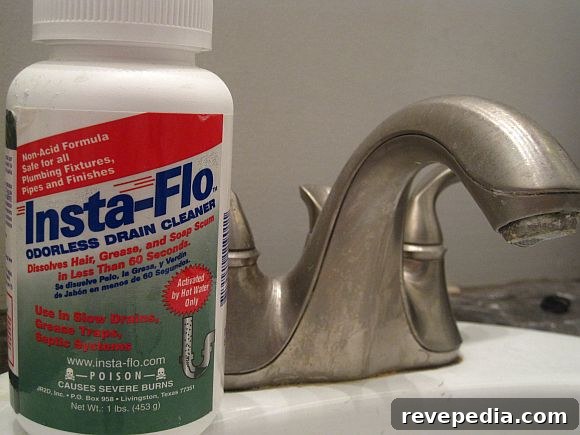
Insta-Flo Drain Cleaner. If you prefer not to use traditional chemical drain cleaners, be cautious: Insta-Flo is an alternative recommended by some hardware stores for tough clogs. It consists of non-acid crystals that are activated with hot water. To use, flush the drain with hot water for a minute, pour in a cup of crystals, let them sit briefly, then flush again with hot water. The crystals fizz and dissolve, allowing the solution to move down the pipe and break up the clog.
Insta-Flo is also effective on grease, making it suitable for kitchen sinks as well. Many people use it periodically as a preventative measure to keep drains clear. However, it is a potent and toxic product—clear warnings appear on the container. Use rubber gloves and avoid inhaling the dust from the crystals. When handled carefully, it can be an effective option for stubborn clogs.
Plunger. A plunger is often the simplest and safest first step. Apply petroleum jelly to the rim of the plunger to create a tighter seal, and fill the sink or tub with enough water to cover the plunger head. With a good seal and firm, controlled thrusts, you can often dislodge the clog and push it through the drain pipe.
Vinegar and baking soda. For a natural, chemical-free alternative, try a vinegar rinse, optionally combined with baking soda. Pour baking soda into the drain, follow with vinegar, and let the mixture foam and react for about 20 minutes; this reaction can help loosen and break down organic buildup. After waiting, flush the drain with hot water to clear the loosened debris.
These methods cover a range of needs—chemical, mechanical and natural. Start with the least invasive approach and escalate as necessary, keeping safety in mind, especially with strong products like Insta-Flo. If none of these techniques work or if you suspect a deeper plumbing issue, consult a professional plumber. Have you discovered any other reliable drain-unclogging methods worth sharing?