
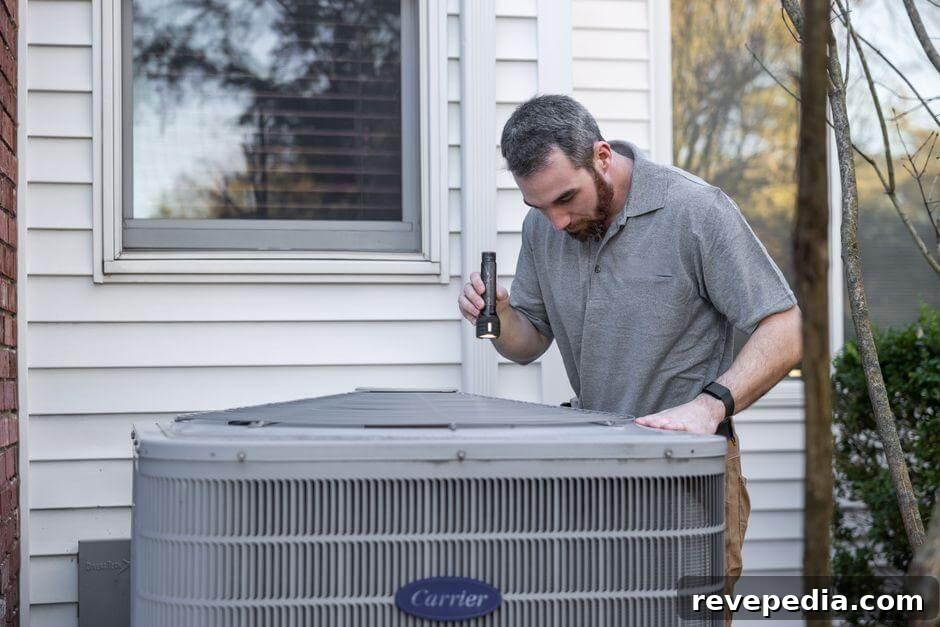
An air conditioner can run every day and still mask developing problems. The home may feel comfortable, the thermostat may respond, and everything may appear normal while dust accumulates, drain lines slowly clog, and small electrical issues grow unnoticed. Regular professional maintenance gives homeowners the chance to address these kinds of concerns before they escalate into breakdowns. Knowing what a proper HVAC tune-up includes also helps you tell the difference between useful preventive work and unnecessary repairs or costly upsells.
Know What a Proper Tune-Up Involves
A comprehensive tune-up involves more than a brief listen to the system. A qualified technician will observe how the equipment starts, runs, and shuts down, checking for issues that affect safety, airflow, cooling capacity, and energy use. A typical maintenance visit for an air conditioner or heat pump will include inspection of electrical connections and components, verification of motor and fan operation, measurement of refrigerant pressures when applicable, evaluation of condensate drainage, and assessment of air filters and overall airflow. The exact tasks depend on the system type and the chosen maintenance plan, but the objective is consistent: confirm the system operates as intended and identify any items that need further attention.
At the end of the visit, ask the technician to explain any issues discovered. A useful service call should provide clear findings and a written summary of what was inspected, what was corrected, and what may require future repair. Written documentation creates a reference you can compare against future inspections, helping you evaluate recommendations from different technicians over time.
Catch Small Faults Before They Spread
Many heating and cooling problems begin quietly. A clogged condensate drain may cause no immediate temperature change, a loose electrical connection can produce intermittent starts, and dirty coils and filters slowly reduce airflow and heat transfer. The main value of maintenance is not to predict every possible failure, but to identify wear and operational conditions that could become disruptive when the system faces heavier demand.
If a technician suggests a repair, ask for specifics: what component failed, what will occur if the issue is left unattended, and whether the repair is urgent. Differentiating between a safety-related problem and routine wear gives you the information needed to prioritize work without pressure.
Understand Why Airflow Matters So Much
Heating and cooling equipment relies on proper airflow. A heavily loaded filter, obstructed return grille, or a dirty evaporator or condenser coil can restrict flow and reduce system efficiency. Restricted airflow often leads to reduced comfort, uneven temperatures, longer run times, and can accelerate wear on components.
Replacing clogged filters, clearing obstructions, and verifying fan performance are practical maintenance measures that often restore proper airflow and improve efficiency. Before concluding that an entire air conditioner needs replacement because a room is too warm, consider other causes such as duct leaks, poor insulation, or room orientation to the sun. A thorough diagnosis looks beyond the outdoor unit to identify the true source of discomfort.
Keep Indoor Air Quality in Perspective
HVAC filters help capture airborne particles, but a routine tune-up is not a complete indoor air quality solution. Cooking odors, cleaning chemicals, outdoor pollution, inadequate ventilation, and humidity all influence indoor air quality. Filtration reduces some pollutants, but source control, adequate ventilation, and moisture management remain essential.
During maintenance, ask whether the filter fits correctly and whether the system is experiencing excessive dust or moisture that requires separate remediation. Higher-rated filters are not automatically appropriate for every system because denser filters can restrict airflow if the fan and housing are not designed for them. Be cautious of claims that a single device or filter will eliminate every indoor air concern.
Pay Attention to Comfort and Moisture
Inconsistent cooling, weak airflow, and unusual humidity often cause discomfort even when the system appears to run. A service visit provides the opportunity to test operation and identify causes such as restricted airflow, improper refrigerant charge, or failing components. Condensate drainage deserves particular attention: cooling systems remove moisture from indoor air, and that water must be routed away from the unit. A blocked drain or overflowing pan can cause water damage and mold growth if not addressed.
Not every comfort issue originates in the equipment. Leaky ductwork, thermostat location, inadequate insulation, and solar heat gain can all affect indoor temperatures. Ask the technician which observations are confirmed and which may need additional testing before committing to costly repairs.
Schedule Service Around Equipment Needs
Many homeowners schedule cooling maintenance before the hot season and heating checks before winter. The appropriate frequency depends on manufacturer recommendations, system age, how often the equipment runs, and site conditions. A professional visit is especially important when performance declines, unfamiliar noises appear, or routine maintenance has been postponed. Waiting until a system fails can complicate scheduling and decision-making.
Keep written service records. These records help future technicians understand past problems, support warranty claims, and make it easier to compare recommendations. Clarify whether a maintenance plan includes a single inspection or multiple visits, since membership descriptions can vary substantially.
Handle Simple Upkeep Between Appointments
Homeowners can support system performance with basic tasks that don’t require opening electrical panels or handling refrigerant. Check and replace or clean filters according to manufacturer guidance, keep supply and return vents unobstructed, and remove loose leaves or debris near outdoor units while avoiding damage to delicate fins and wiring. Pay attention to new sounds, odd smells, unexplained water, or sudden changes in energy use—these clues help technicians diagnose problems more quickly.
If you smell gas or suspect an electrical hazard, evacuate the area and call emergency services rather than investigating yourself. Basic care complements professional maintenance but is not a substitute for trained technicians handling complex or hazardous components.
Make Maintenance a Practical Financial Decision
A tune-up carries a cost, so it is reasonable to compare what different providers include. Ask about the scope of the inspection, whether you will receive a written report, what follow-up recommendations are likely, and if membership plans provide discounts or priority scheduling. Routine checks often uncover minor faults and help equipment run more efficiently, but they do not guarantee dramatic energy savings or a much longer service life. An aging system with serious defects may still require repair or replacement.
Treat maintenance as a tool to gather reliable information about an important, expensive household system. With clear diagnostic reports and consistent records, you can budget for necessary repairs, avoid rushed decisions, and maintain comfortable indoor conditions without relying on luck.