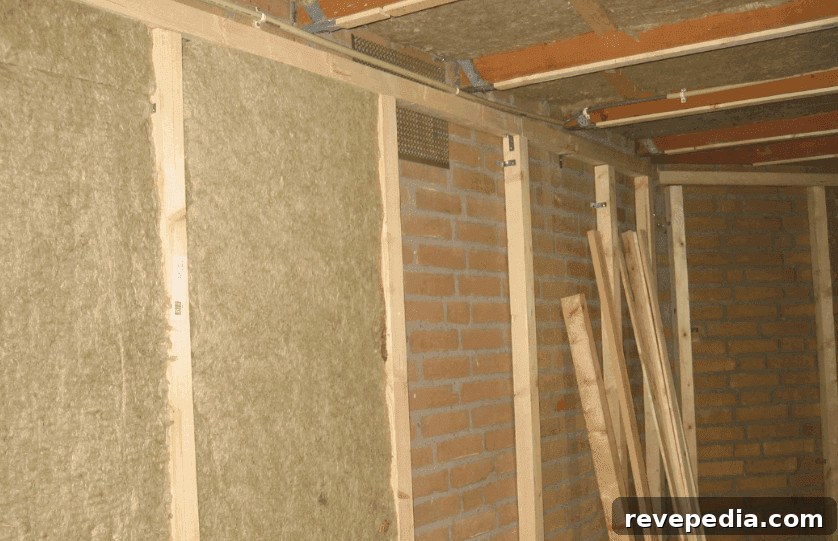
Insulation is one of those home components you rarely notice—until it isn’t working well. Because it operates out of sight, insufficient insulation can go undetected for years. There’s no sudden, obvious failure like a burst pipe; instead it reveals itself through small, recurring issues that quietly increase your energy costs and create ongoing comfort problems.
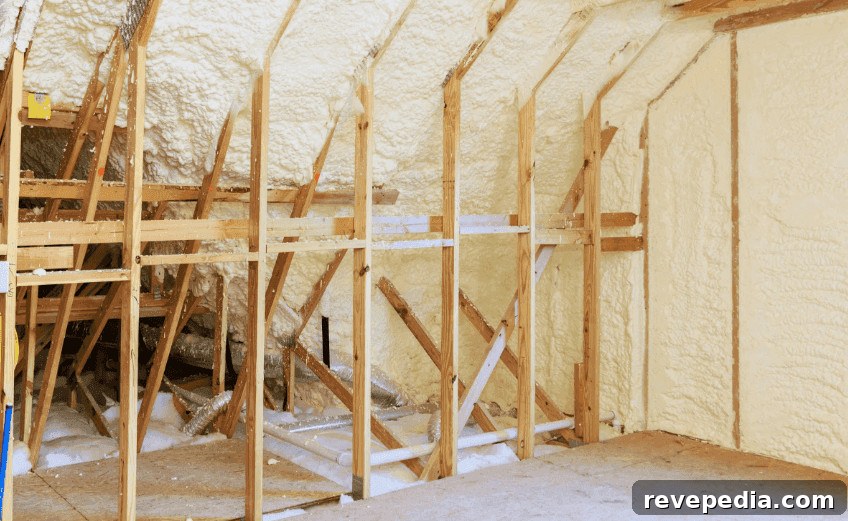
Uneven Temperatures Between Rooms
A clear sign of inadequate insulation is inconsistent temperatures from room to room. You might notice the living room stays comfortable while a bedroom at the back of the house remains chilly in winter or an upstairs room becomes unbearably hot in summer. Rooms above garages, end-of-house bedrooms, and finished attic spaces are especially prone to these imbalances. When insulation is missing, thin, compressed, or poorly installed in a specific area, that room will struggle to maintain the same temperature as the rest of the home.
High Energy Bills That Don’t Match Usage
If your monthly heating and cooling bills are higher than you expect—higher than similar homes in your neighborhood or higher than your past bills without a clear reason—poor insulation could be the cause. When walls, attic spaces, or floors leak conditioned air, your HVAC system must run longer and harder to keep indoor temperatures steady. That extra runtime translates directly to higher utility bills, often adding up substantially over a full year.
Rather than assuming the issue is just the thermostat or the age of the equipment, it’s worth checking whether heat is escaping through under-insulated areas. Fixing insulation can reduce runtime and improve comfort without necessarily replacing major systems.
Ice Dams Forming Along the Roofline
Ice dams—ridges of ice that form along the roof edge—are often blamed on roofing or gutters alone, but they frequently point to attic heat loss. When warm air leaks into the attic, it warms portions of the roof deck and causes snow to melt unevenly. Meltwater then runs down and refreezes at the colder eaves, creating ice dams that can back up under shingles and lead to leaks. If ice dams recur, examine attic insulation and air sealing alongside the roof to address the root cause.
Drafts You Can Feel, or Ones You Can’t
Drafty windows and doors are easy to spot, but under-insulation often creates subtler air leaks. Cold air can seep through gaps at electrical outlets, baseboards, plumbing penetrations, and attic access points. These less obvious drafts may not be noticed on a single walk-through, yet they contribute equally to heat loss and make living spaces less comfortable. A careful inspection or thermal scan can reveal these hidden leaks.
A Home That Feels Stuffy or Damp
Insulation is closely linked to how a home manages moisture. Inadequate insulation and poor air sealing can allow warm, humid indoor air to reach cold surfaces where moisture condenses. This can cause rooms to feel stuffy, produce musty odors, and in severe cases promote mold growth in wall cavities, crawlspaces, or attic areas. Proper insulation combined with effective ventilation and moisture control helps maintain healthy indoor air quality.
What Under-Insulation Actually Costs Over Time
The financial impact of under-insulation accumulates in several ways. First, you pay more every month for heating and cooling. Second, the HVAC system works harder and cycles more frequently, which increases wear and tear and shortens the equipment’s lifespan. That leads to more frequent repairs and earlier replacement, compounding the long-term cost. Over multiple years, the wasted energy and accelerated maintenance often exceed the one-time investment required to bring insulation up to standard.
Addressing insulation issues proactively typically delivers measurable savings and improved comfort, often offsetting the initial upgrade cost within a few heating and cooling seasons.
Where Insulation Gaps Most Commonly Show Up
Certain areas of a house are more likely to be under-insulated, especially in older or poorly constructed homes. Common trouble spots include:
- Attics — insulation can settle, become compressed, or be displaced by past work such as wiring or plumbing access.
- Rooms above garages — floors separating living space from an unconditioned garage are often under-insulated.
- Knee walls in finished attic spaces — these short walls and the spaces behind them are frequently overlooked during attic conversions.
- Rim joists and basement ceilings — rim joists are a common source of air leakage in older homes built before insulating these areas became standard practice.
Getting an Accurate Picture of Where Your Home Stands
Because insulation problems are not visible without a focused inspection, guessing where to add material rarely provides a complete fix. A proper energy assessment—using a blower door test, infrared inspection, or a professional audit—identifies where heat is actually escaping and how air sealing and insulation work together. Start by diagnosing the specific issues in your home so upgrades target the areas that will deliver the best results for comfort and energy savings. Professional guidance can help prioritize improvements and ensure insulation is installed correctly for long-term performance.