
Moving into a new home is exciting, and your outdoor space is one of the first places to make an impression. A well-planned yard sets the tone for the entire property and creates an inviting transition between house and neighborhood. For many new homeowners, landscaping can seem daunting at first, but with a few practical strategies and a bit of creativity you can build a beautiful, functional landscape that suits your lifestyle.
Start by thinking small and manageable. Whether your yard is expansive or compact, incremental improvements deliver noticeable results without overwhelming your time or budget. Prioritize projects that boost curb appeal and usability: tidy lawn areas, defined garden beds, attractive pathways, and a few focal points where people can gather or relax. These basic elements create a cohesive foundation you can develop over time.

Start Simple
When starting a landscape plan, focus on low-maintenance, long-lasting components. A healthy lawn and a selection of shrubs and perennials form the backbone of most yards. Grasses such as fescue or Kentucky bluegrass are widely recommended for their adaptability and ease of care in many climates. Perennial flower beds return each season and reduce the need for annual replanting, which saves time and money.
Choose plants that are native to your region whenever possible. Native species are typically more tolerant of local conditions, require less supplemental watering, and resist pests and disease better than exotic varieties. Group plants by similar water and light needs to simplify care and irrigation.
Paths and borders define circulation and structure. Materials like gravel, mulch, stepping stones, and concrete pavers are affordable options that also improve usability. Clear pathways guide visitors and create an orderly feeling throughout the yard without complicating the overall design.
Landscape Lighting
Outdoor lighting extends the usability of your yard after sunset and enhances safety. Soft pathway lighting helps guests find their way, while spotlights and uplighting emphasize specimen trees, sculptures, or architectural details. Aim for a balanced approach—highlight focal points but avoid over-illumination that can feel harsh.
Solar lights offer a simple, low-cost solution for many outdoor settings, especially where running electrical wiring would be difficult. Their effectiveness depends on exposure to sunlight, so place solar fixtures where they can recharge during the day. For more deliberate effects, use dedicated low-voltage or LED fixtures designed for outdoor use and matched to your local climate for durability.
Colour and Texture
A dynamic landscape uses a mix of colours, textures, and plant forms. Select plants that bloom at staggered times to keep visual interest throughout the seasons. Combine broad-leafed evergreens with fine-textured grasses and seasonal flowers to create depth and contrast. Varying plant heights—from groundcovers to mid-height shrubs and taller trees—helps shape eye movement and defines layers in the garden.
Hardscape and decorative elements add personality and intentionality. Benches, stone accents, and garden art can draw attention to particular spots and invite lingering. Choose a few meaningful or well-placed items rather than cluttering the space, so each feature contributes to the overall composition.
Easy Maintenance
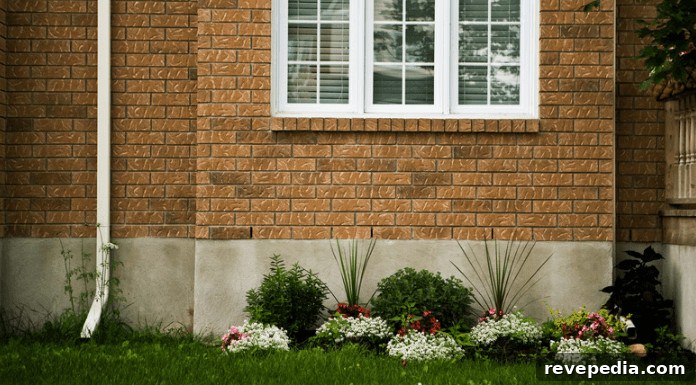
Designing a landscape with maintenance in mind saves time and preserves its appearance. Multipurpose beds with plants that share watering and light requirements reduce the need for complex routines. Mulch conserves moisture, moderates soil temperature, and suppresses weeds—cutting down on labor and water use. Consider installing a drip irrigation system or a programmable sprinkler controller to deliver consistent watering while conserving resources.
Choose hardy, disease-resistant varieties when possible and plan for seasons of lower activity. A tidy layout with clearly defined planting areas makes routine tasks like pruning, weeding, and fertilizing faster and easier. Investing in good soil preparation and proper planting techniques at the outset will also reduce long-term maintenance demands.
Seasonal Touches
Seasonal updates are an easy way to keep your yard feeling fresh and welcoming year-round. In autumn, use pumpkins, ornamental grasses, and warm-toned containers to celebrate harvest colors. In winter, string lights or subtle accent lighting can create a cozy atmosphere and brighten darker evenings. Spring is a great time for bulbs and early-blooming perennials, while summer invites comfortable seating, colorful outdoor textiles, and container gardens.
Updating a few elements each season—planters, lighting accents, or small decorative touches—keeps your landscape lively without large investments. These changes can also foster community spirit by contributing to a pleasant streetscape.
Personal Touches
Your yard should reflect how you want to live outdoors. Add features that match your interests: a hammock or lounge area for relaxation, a raised vegetable bed for easy gardening, or a fire pit for gathering on cool evenings. Small structures like pergolas or trellises introduce vertical interest and support climbing plants, while a simple dining area encourages meals and social time outside.
Landscaping is a process. Start with a basic plan, make choices that fit your lifestyle and climate, and expand gradually. Each thoughtful addition enhances usability and enjoyment, helping you turn the outdoor space into a comfortable and attractive extension of your home.