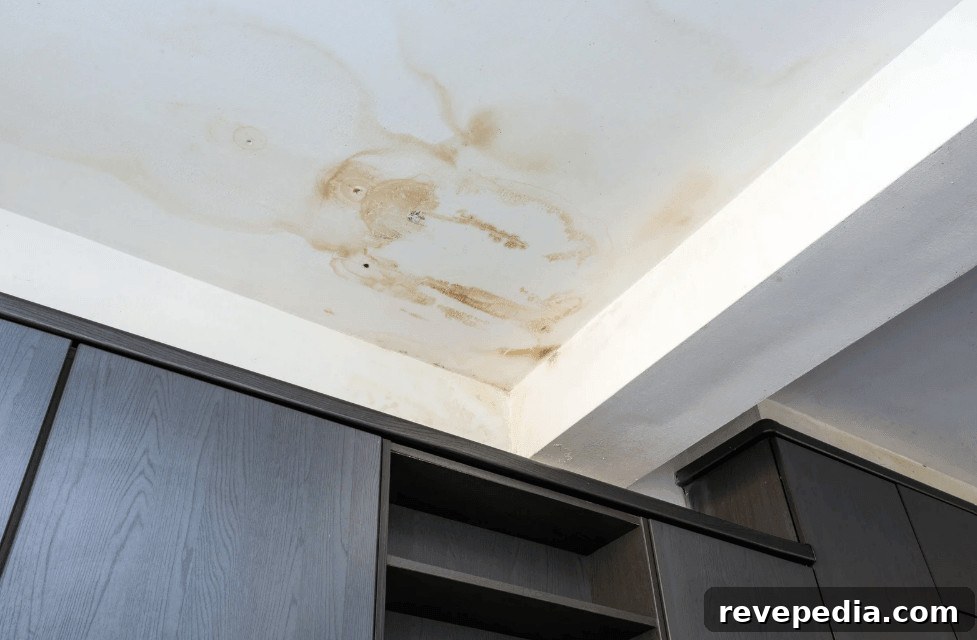
A water stain on the ceiling is frustrating, but it rarely reveals the whole story. Roof leaks often travel along rafters, insulation, or other building materials before the water becomes visible inside your home. That means the location where you see the damage can be several feet from the actual leak source.
Understanding how roof leaks develop helps homeowners find problems sooner, communicate clearly with contractors, and reduce the risk of costly repairs. While some issues require professional attention, knowing where to look and what to document is a valuable first step in effective roof maintenance and repair.
(photo credit: Microsoft Stock Images)
Start With the Signs Inside Your Home
Most homeowners notice a roof leak from inside their house before they see anything on the roof. Ceiling stains, peeling paint, bubbling drywall, damp insulation, wet attic decking, and musty odors all suggest moisture intrusion. Begin by documenting where the damage appears: take clear photos and record whether the leak happens only during heavy rain, when snow melts, or during windy storms. These details narrow down likely sources and improve communication with a roofer.
If it is safe to access your attic, inspect insulation for damp spots, look for water stains on roof decking, and check for daylight coming through the roof. A flashlight makes small problems much easier to detect. Keep in mind that water follows the path of least resistance—so a ceiling stain over your living room could originate from higher up or many feet away on the roof.
Check Common Leak Locations
Certain roof features are far more likely to develop leaks because they contain joints, penetrations, or changes in slope. Start your exterior inspection at roof flashing. Flashing surrounds chimneys, skylights, plumbing vents, and roof valleys, and it can loosen, corrode, or separate from surrounding materials over time. When flashing fails, water can enter where materials no longer overlap correctly.
Roof valleys collect large volumes of runoff during storms and often suffer the greatest wear. Damaged shingles or degraded flashing in valleys can quickly lead to leaks. Plumbing vent boots and pipe seals are another frequent source of problems; the rubber seals around vent pipes degrade from sun exposure and temperature cycling. Even small openings around these features can admit substantial water into the structure.
Don’t Overlook Gutters and Drainage
Sometimes the roof itself is not the primary culprit. Clogged gutters and downspouts cause water to back up beneath shingles and flashing during heavy rain. Leaves, twigs, and debris prevent proper flow, allowing water to pool along the roof edge and work its way under roofing materials.
Inspect gutters regularly for blockages, sagging sections, loose fasteners, and overflow during storms. Ensure downspouts direct water several feet away from the foundation to reduce moisture near the home. Regular gutter cleaning and maintenance is one of the simplest and most effective ways to prevent unnecessary roof problems and limit roof leak risk.
Weather Often Reveals Hidden Weaknesses
Different weather conditions expose different roofing issues. Heavy rain typically reveals worn shingles, damaged flashing, or failed sealants. Wind can lift shingles and create gaps that allow water into the roofing system. Snow and ice contribute to ice dams, where melting water becomes trapped along the roof edge and backs up beneath shingles, causing leaks where water would not normally enter.
After severe storms, perform a cautious visual inspection from the ground. Look for missing shingles, damaged flashing, fallen tree limbs, and debris on the roof. Avoid climbing onto a wet or damaged roof unless you have the proper safety gear and experience—slippery surfaces and unstable sections are hazardous.
Small Leaks Can Lead to Bigger Problems
Even a slow or intermittent leak can cause major, expensive damage if left untreated. Moisture trapped inside walls and ceilings encourages mold growth, wood rot, and damaged insulation, and it can weaken structural components. Water reaching electrical wiring or light fixtures presents additional safety hazards. For these reasons, any active leak—no matter how minor—should be addressed promptly.
Know When Professional Help Is Needed
Some roofing issues can be monitored or handled by experienced homeowners, but many repairs require specialized knowledge, tools, and safety equipment. If water is actively entering the home, large sections of shingles are missing, or storm damage is obvious, contact a qualified roofing contractor right away. In cases of severe weather damage or rapidly worsening leaks, emergency roof repair services may be necessary to stop water intrusion temporarily until permanent repairs can be completed.
Practical Steps to Protect Your Roof
Make a habit of performing a visual roof inspection at least twice a year—typically spring and fall—so you can spot loose shingles, damaged flashing, clogged gutters, and other signs of wear before extreme weather arrives. Trim nearby trees to prevent branches from scraping the roof or dropping debris into gutters, which reduces both gradual wear and storm-related damage.
Check your attic periodically for moisture, stains, or unusual odors; early detection in the attic often prevents larger repairs later. Keep detailed records of roof inspections, maintenance, and any repairs. Documentation helps contractors evaluate recurring issues, supports warranty claims, and helps you track the roof’s condition over time.
A roof leak rarely resolves on its own, and delaying repairs usually allows damage to spread. Learning where leaks commonly begin and recognizing early warning signs helps homeowners act quickly before a minor issue becomes a major repair. Set aside time this season to inspect your roof, gutters, and attic so you can protect your home and limit future roof repair costs.
Infographic: