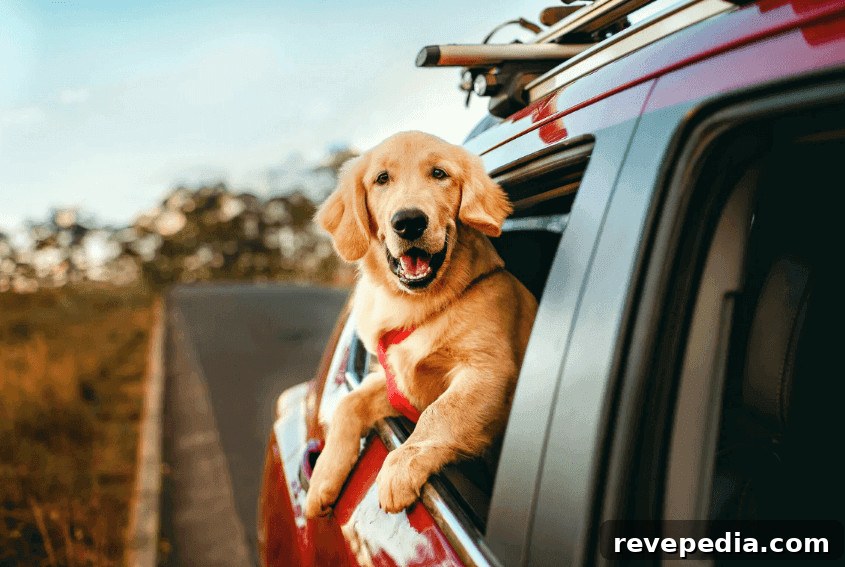
Here’s an important perspective to keep in mind before you plan your next trip: your pet has no context for what’s happening. From their point of view, the ground is moving, everything smells different, and the routine has changed. That is the entire experience for them.
When you truly accept that—and imagine the journey through your pet’s eyes—you can prepare in ways that reduce stress and increase comfort. Small, thoughtful steps taken before and during travel make a big difference and help your pet remain calm from departure to arrival.
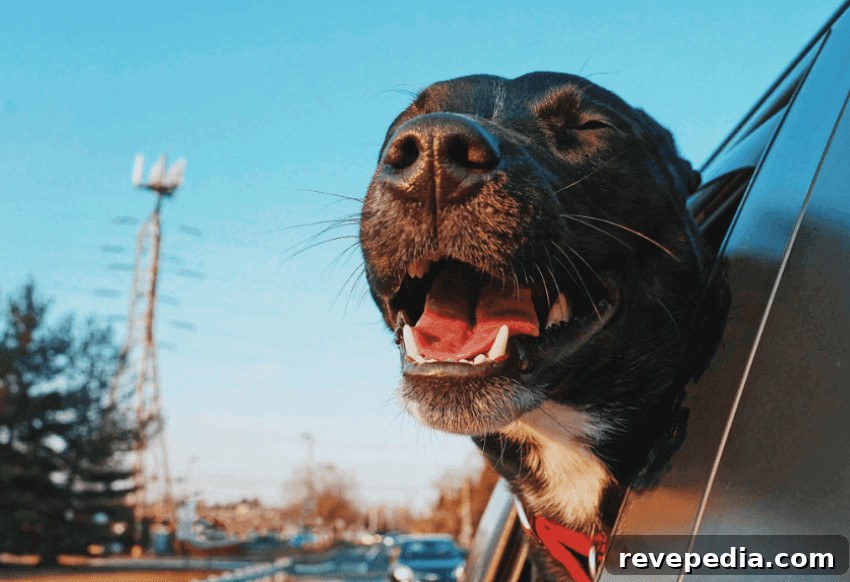
Source: Pexels
1. Start Preparing Well Before Departure
Preparation should begin days or even weeks before travel, not the morning you leave. This is especially true for carriers and crates. If a carrier only appears before vet visits or other unpleasant experiences, your pet will naturally form a negative association. That association is logical from their perspective.
Break that association by introducing the carrier early: leave it out in a familiar room with a blanket and a favorite toy inside. Let your pet explore it freely, sleep in it, and pass by it many times without anything stressful happening. Repeated neutral or positive encounters dilute any negative expectations.
Practice short car rides as well. Brief drives around the block or to a nearby park help you assess how your pet reacts: Do they settle quickly? Do they become anxious? Do they experience motion sickness? These short tests provide valuable information you want before you are three hours into a long drive.
If any issues appear during practice, you’ll have time to consult your veterinarian for advice or treatment options before the main trip.
2. Pack Beyond the Basics
Food and water are obvious necessities, but there are other items that make unfamiliar spaces feel more familiar to an animal that relies heavily on scent and routine.
Bring the blanket from their usual sleeping area, the toys they actually play with, and their own bed if possible. These items carry familiar scents that help pets orient themselves and feel secure in a new environment. Whenever travel allows, maintain your pet’s regular feeding and walking schedule to preserve a sense of routine.
Also bring practical supplies: waste bags, pet-safe wipes, a spare towel, bottled water, any medications, and vaccination documents. You may not use all of these items, but they are inexpensive forms of insurance that can solve unexpected problems on the road.
3. Dress Your Pet for Comfort and Safety
Pet clothing should be functional, not merely fashionable. Lightweight sweaters or jumpers are helpful when temperatures drop, especially for small breeds, puppies, short-haired dogs, or senior animals that struggle to retain heat.
Fit is critical. Clothing that is too tight restricts movement and causes discomfort; clothing that is too loose can bunch up and become a hazard. If your pet has never worn clothing before, introduce it gradually at home so they can adjust to the sensation before traveling.
Source: Pexels
4. Make the Journey Itself Comfortable
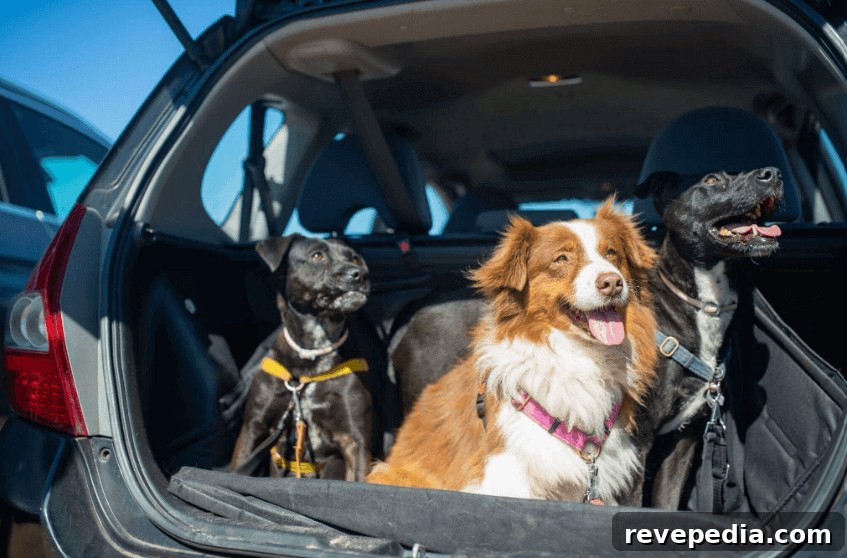
No matter how you travel, your pet needs a safe, designated place to relax. In cars, that means a properly secured carrier or a crash-tested pet safety harness. Allowing a dog to roam freely in a moving vehicle may seem kinder, but it is unsafe for both the animal and human passengers.
Monitor the interior temperature carefully. Conditions at seat level can differ from what you feel, and your pet’s fur traps heat. Signs of overheating include heavy panting that seems excessive, drooling, restlessness, or an inability to settle—immediate action is required if these appear.
Stop every few hours at safe locations to let your pet stretch on a leash, drink water, and take a short break from motion. These pauses help lower anxiety and make the rest of the trip more manageable.
5. Be Prepared for Rapid Weather Changes
Long-distance travel often crosses multiple microclimates. Rain, sudden drops in temperature, or muddy rest stops can turn a small inconvenience into a bigger problem if your pet gets soaked or chilled.
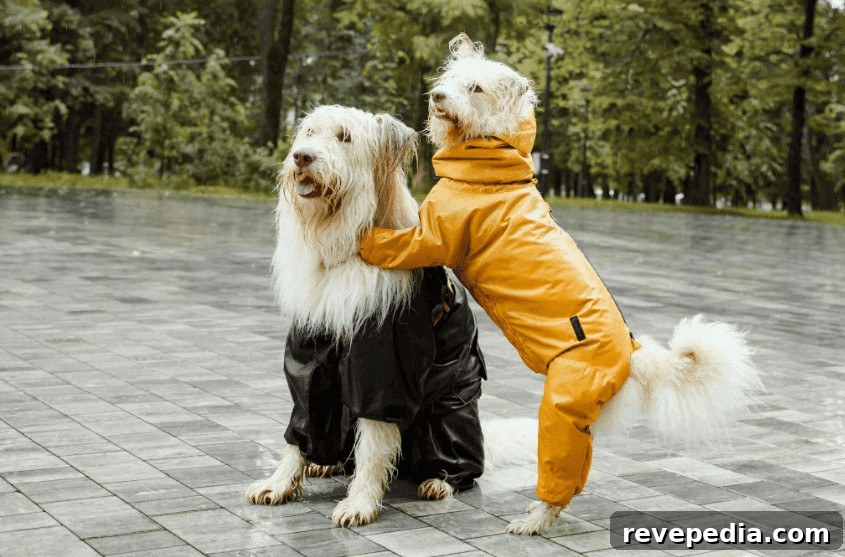
Pack a lightweight waterproof jacket and a towel to dry your pet after exposure to rain or mud. Wiping muddy paws and drying damp fur before placing your pet back in the car prevents discomfort and helps regulate body temperature during the drive.
Source: Pexels
6. Pay Attention to Behavioral Cues
Pets communicate distress through behavior: whining, trembling, excessive panting, refusal to eat, or persistent restlessness are all signals that something is wrong. Observing these cues and responding quickly can prevent problems from escalating.
Sometimes a brief pause, offering water, or moving the carrier to a shaded spot is enough to calm your pet. Your own calm demeanor also helps; maintaining a steady, relaxed tone reassures animals and helps them regulate their stress levels.
If your pet has a known history of travel anxiety or motion sickness, consult your veterinarian before you leave. There are behavioral strategies and, where appropriate, medical treatments that can make travel safer and more comfortable.
Conclusion
Traveling well with a pet is largely a matter of planning and empathy. Consider the journey from your pet’s perspective, introduce carriers and clothing gradually, bring familiar items and practical supplies, dress your pet for the conditions, and stay alert to behavioral cues during the trip.
None of these steps is complicated, but together they create a calmer, safer travel experience. A pet that feels secure makes for a more enjoyable trip for everyone involved.