
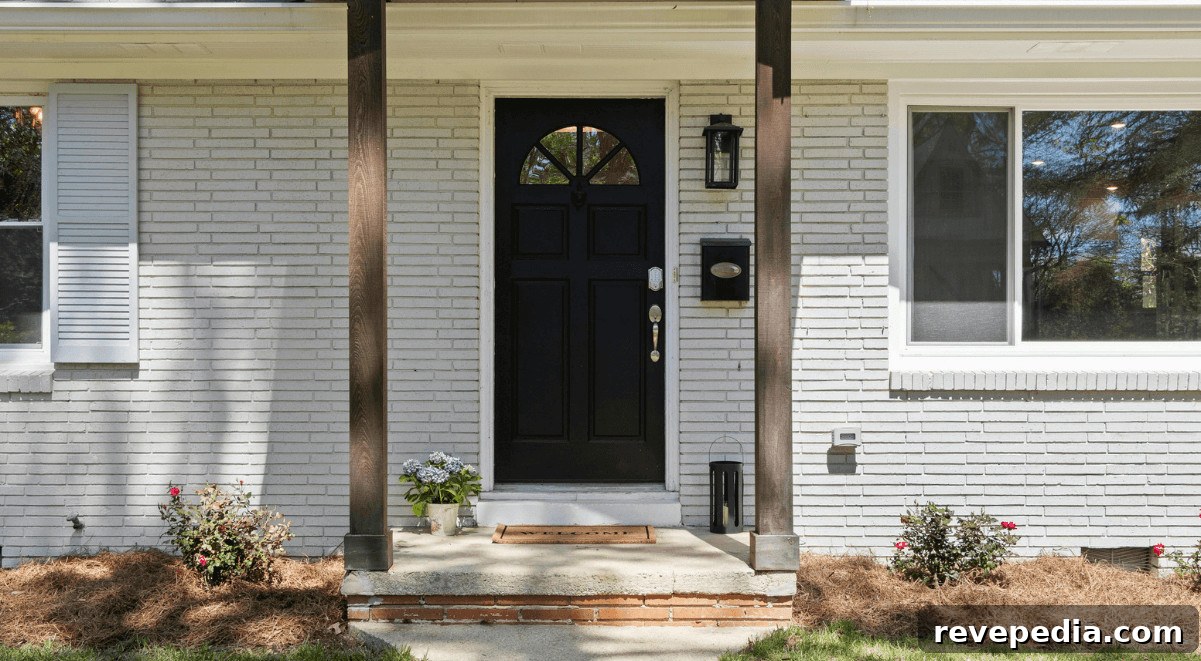
Your front door does more than shape curb appeal; it helps secure your home and prevents heated or cooled air from escaping. In regions with extreme seasonal swings, such as the Midwest, those practical functions become particularly important.
Homes in cities like Chicago, Rockford and Milwaukee face freezing winters and hot, humid summers. Those temperature changes place extra demands on exterior doors, seals and frames in ways homeowners in milder climates may not encounter as often.
Some signs that it’s time to replace an entry door are obvious: the door sticks, drafts are noticeable, visible damage appears or the door no longer closes snugly against the frame. Other issues can be subtler. An older door might still operate daily but offer poorer insulation, reduced security and less effective weather protection than a modern replacement.
If you’re planning a replacement, look beyond aesthetics. Material choice, energy rating, frame condition and the quality of the installation all influence how well the new door performs and what you’ll ultimately spend — both initially and over time.

Image by Kireyonok_Yuliya on Magnific
Energy performance should come before looks
Energy efficiency is a primary concern when replacing an exterior door in the Midwest. Even a small gap around an exterior door can let heated air escape during winter. Visible daylight along the frame, drafts near the threshold or an older door with poor insulation are clear signs you should prioritize energy performance.
Recognized energy guidelines identify doors that meet specific U-factor and air-leakage thresholds. U-factor measures how readily heat passes through a door: a lower U-factor indicates better insulating performance. Doors intended for northern climates are built to tighter standards than those for warmer regions, so check energy ratings and specifications when comparing options.
Steel doors: value and reliable performance
Steel entry doors are a popular and practical choice for many Midwest homes. Many steel doors feature a polyurethane foam core that delivers strong insulation at a lower material cost than fibreglass. Steel resists warping and swelling from seasonal humidity changes far better than solid wood, helping doors keep their fit over time.
Modern steel doors also offer a wider variety of finishes. Durable factory-applied paint withstands years of exposure with minimal upkeep, and embossed surfaces can mimic wood grain for a classic look without the maintenance demands of wood.
Fibreglass doors: premium appearance with low maintenance
Fibreglass doors suit homeowners who want the look of wood without the maintenance. Higher-end fibreglass models can replicate the grain of oak, mahogany or cherry and accept stain to achieve a very traditional appearance.
Fibreglass won’t rust and generally tolerates temperature swings well. It requires less upkeep than solid wood, but typically costs more upfront than steel. The decision often comes down to how highly you value a wood-like finish and the reduced maintenance fibreglass provides.
Installation matters as much as the door
The door material is only one factor in overall performance. Installers who work in climates with large seasonal changes understand that even a well-insulated fibreglass door can let in drafts if it isn’t properly shimmed and sealed around the rough opening.
Proper threshold adjustment is equally important. If the bottom of a steel or fibreglass door does not contact the threshold and weatherstripping correctly, air can pass beneath it and negate much of the energy-efficiency gained from a new door. Professional installation that ensures tight, consistent seals is essential.
What entry door replacement costs in the Midwest market
Prices vary across the Midwest depending on material, door configuration, the amount and type of glass, hardware upgrades and the complexity of the installation. A basic single steel door with standard hardware and a straightforward installation typically ranges from about $1,500 to $3,000 installed. A complete fibreglass system with decorative glass, premium hardware or work that requires modifying a non-standard opening can reach $5,000 to $8,000 or more.
Beyond energy savings, entry door replacement often yields strong resale value. The front door is one of the first features potential buyers notice and is used constantly, which makes a good-looking, well-functioning door a meaningful selling point.
The door system: frame, weatherstripping and threshold
A replacement door must work with the surrounding frame, weatherstripping and threshold. The frame should be solid, properly anchored and sealed to the rough opening. Weatherstripping needs to make consistent contact when the door closes, and the threshold should form a firm seal without causing the door to bind.
Installing a new door into a damaged frame—or leaving old weatherstripping in place—can leave you with many of the same problems you were trying to solve. Inspect the existing frame and opening before installation; many issues can be addressed in advance so they don’t compromise the new door’s fit and performance.
Choosing the right entry door for your home
Approach a door replacement as a full system upgrade rather than a single component swap. Begin by assessing the condition of the existing door and frame, then compare materials, energy ratings, maintenance requirements and installed costs.
Steel is often the practical choice when budget and insulation are priorities. Fibreglass offers greater design flexibility and lower long-term upkeep for homeowners who prioritize appearance. Whichever material you choose, ensure the installer seals and fits the door correctly: a highly rated door will not deliver comfort or efficiency if air can still pass around the frame or beneath the threshold.
For Midwest homes, the objective is the same: a door that closes securely, controls drafts and endures years of seasonal weather while contributing to the home’s comfort and curb appeal.