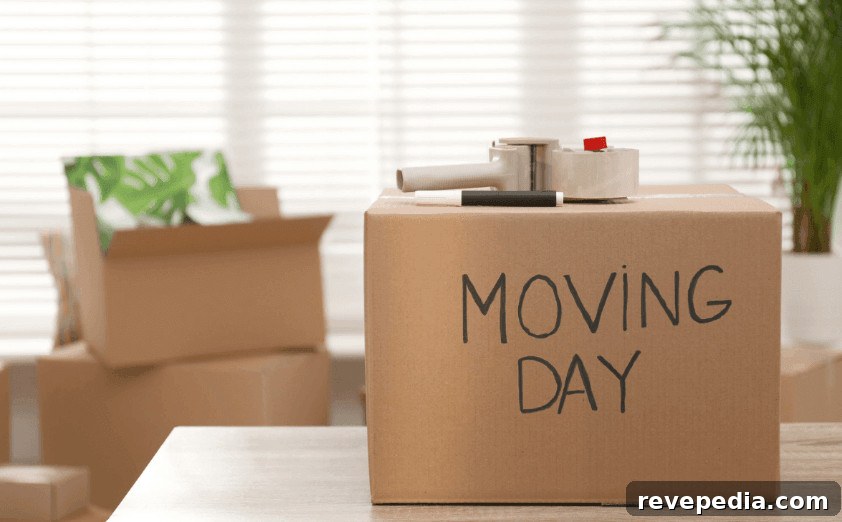
Moving day can arrive faster than you expect. One moment you think you have plenty of time; the next, boxes are stacked around you, tape is missing, and a closet is still full. The good news: with a little planning, moving day doesn’t have to be chaotic. Preparing key tasks in advance makes the process more efficient, less stressful, and far easier to manage.
Before moving day, focus on organizing, decluttering, packing early, confirming moving details, and keeping everyday essentials accessible. These steps reduce last-minute surprises and help ensure a smooth transition to your new home.

Create a Moving Checklist Early
An early checklist is one of the most effective tools to regain control during a move. There are many small tasks to track, and a written plan prevents mental overload. Your checklist can be as simple as a note on your phone, a printed sheet on the fridge, or a notebook you consult daily.
Include deadlines for packing specific rooms, utility shutoffs and start dates, address updates, cleaning tasks, and any instructions from your moving company. Break tasks into weekly goals so you are not trying to finish everything at once. A clear checklist shows what’s complete, what needs attention, and what can wait until closer to the move.
Declutter Before You Pack
Decluttering before packing saves time, space, and effort. Ask yourself whether each item is worth the time to pack, move, and unpack. Items that are damaged, unused, or won’t fit in your new space are usually best left behind.
Work room by room and sort items into keep, donate, sell, or discard piles. Consider old clothes, broken appliances, extra dishes, expired pantry items, and furniture that won’t fit. Reducing what you own before packing means fewer boxes and less work after the move.
Start Packing Nonessential Items Early
Begin by packing things you won’t need in the days before the move: seasonal decor, books, spare linens, guest room items, artwork, keepsakes, and out-of-season clothing. These items are easy to box early and won’t disrupt daily routines.
As moving day approaches, gradually pack more frequently used items, leaving only essentials for the final days—basic toiletries, a few outfits, essential kitchen items, chargers, and work or school materials. Packing in stages prevents last-minute rushes and makes the process more manageable.
Label Boxes Clearly
Clear labeling is essential for fast, organized unpacking. Mark each box with the destination room and a brief list of its contents. For fragile items, indicate handling instructions. Consider marking a handful of boxes “open first” with immediate necessities such as toilet paper, paper towels, bedding, chargers, basic tools, and a few dishes.
Well-labeled boxes speed up placement by movers and reduce the time you spend searching for essential items when you arrive.
Confirm Details With Your Moving Company
A few days before the move, contact your movers to confirm arrival time, pickup and delivery addresses, parking and access details, and the services included. If you require packing assistance, furniture disassembly, storage, or transport for specialty items, confirm those arrangements in advance.
Ask about payment methods, the day’s contact person, and any requirements for stairs, elevators, gated access, or narrow roads. Clear communication reduces misunderstandings and helps the moving team plan accordingly.
Prepare Your Home for Movers
Prepare pathways, remove small obstacles, roll up rugs if necessary, and create a clear route from your rooms to the exit. Protect floors and walls in high-traffic areas if you’re concerned about damage, and ensure parking is available as close to your home as possible.
If you plan to disassemble furniture yourself, do so before moving day and store screws and small parts in labeled bags. For families with pets or small children, set up a quiet, secure space away from the main moving activity to keep everyone safe and calm.
Pack an Essentials Bag
Keep important items with you rather than on the moving truck. Pack medications, toiletries, chargers, vital documents, snacks, water, a change of clothes, and valuables in an essentials bag. Prepare a small “first-night” box with toilet paper, cleaning supplies, bedding, and a few kitchen basics so you can settle in comfortably on arrival.
Update Your Address and Utilities
Take care of address changes and utility scheduling before moving day. Forward mail through the post office and update banks, insurance providers, medical offices, subscriptions, schools, and other important accounts. Arrange for utilities—electricity, water, gas, internet, trash service, and security systems—to be disconnected at your old home and activated at your new one.
Schedule internet and other time-sensitive services early, especially if you work from home, so you can get back to normal quickly after the move.
Do a Final Walkthrough
Before leaving, perform a final walkthrough of your old home to check closets, cabinets, drawers, garages, basements, attics, and outdoor storage areas. Look behind appliances, under sinks, and in any space where small items can be overlooked.
If you rent, photograph the empty, cleaned space as documentation of the condition when you left. A final walk-through helps catch anything forgotten and gives peace of mind before you hand over the keys.
Make Moving Day Manageable
Moving day rarely feels entirely stress-free, but preparation makes a major difference. Use a checklist, downsize the things you don’t need, pack over time, label boxes clearly, confirm arrangements with your movers, and keep essential items close at hand. With these steps, moving day becomes a controlled, organized process rather than a frantic scramble.
Whether you’re moving across town or to another state, thoughtful preparation before the truck arrives will pay off when you start life in your new home.