Piedmont is one of the Bay Area’s most enduring real estate stories: a small, affluent city completely surrounded by Oakland, celebrated for its tree-lined streets and some of the finest early 20th-century residential architecture in Northern California.
If you have just purchased a home here, there is a strong chance it dates from roughly 1910 to 1940 — think Tudor Revival, Mediterranean estates, Colonial Revival, or Craftsman bungalows that often retain original character. These houses are beautiful, but they present specific challenges during a move that catch many newcomers off guard.
Below is what you should know about moving into a historic Piedmont home so your furniture, the house’s original details, and the moving day itself go smoothly.
Historic Homes Were Not Built for Modern Furniture
Homes constructed a century ago were designed around the furniture, circulation patterns, and household needs of their time — not today’s deep sectionals, oversized armoires, king mattresses, or long media consoles. Standard doorways can be narrower than modern units. Staircases frequently are steeper, tighter, and include sharp turns or low landings. Hallways and interior passageways can be surprisingly compact.
Before the moving truck arrives, measure your largest items — sofas, armoires, bed frames, dressers, dining tables, and media consoles — and compare those dimensions against actual doorways, stair widths, and turning clearances in your new house. Discovering that a sofa won’t clear the staircase a week before the move is vastly better than finding out on moving day with a crew waiting. Some large pieces may need to be partially disassembled, hoisted through a window, or, in rare cases, left out of upper floors altogether.
Original Details Are Irreplaceable and Vulnerable
One of the defining strengths of a historic Piedmont home is its original craftsmanship: hardwood floors, hand-milled banisters, plaster walls, leaded glass, vintage tilework, and built-in cabinetry. Those same features are vulnerable during a careless move. Unlike a modern drywall-and-stock-trim house, you cannot simply run to a hardware store and replace these elements without losing authenticity and potentially significant cost.
Protecting original details takes planning and the correct materials. Floors should be covered with proper protective runners or boards — not just blankets — to prevent scratches, dents, and grit being tracked in. Banisters and doorframes at tight turns should be padded and wrapped. Plaster walls require gentler handling than drywall; touch-up is more involved and sometimes impossible to match. Hiring movers experienced with older homes reduces the risk of accidental damage.
Staircases Often Determine the Success of a Move
In many Piedmont residences, the staircase is the critical constraint. Narrow, steep, and commonly featuring intermediate landings that require difficult pivots, staircases demand skill, careful planning, and sometimes specialized equipment. Bulky or heavy items — pianos, safes, large wardrobes and case goods — are particularly challenging and can be dangerous if handled improperly.
If your new home has a notable staircase, flag it early with your moving coordinator so they can pre-plan the route, bring appropriate equipment such as stair runners, straps, dollies, and padding, and allocate the right crew size. Professional teams often perform a pre-move walkthrough to identify pinch points and confirm whether an item will fit, which prevents costly surprises and delays on move day.
Plan for Parking, Street Access, and Neighborhood Constraints
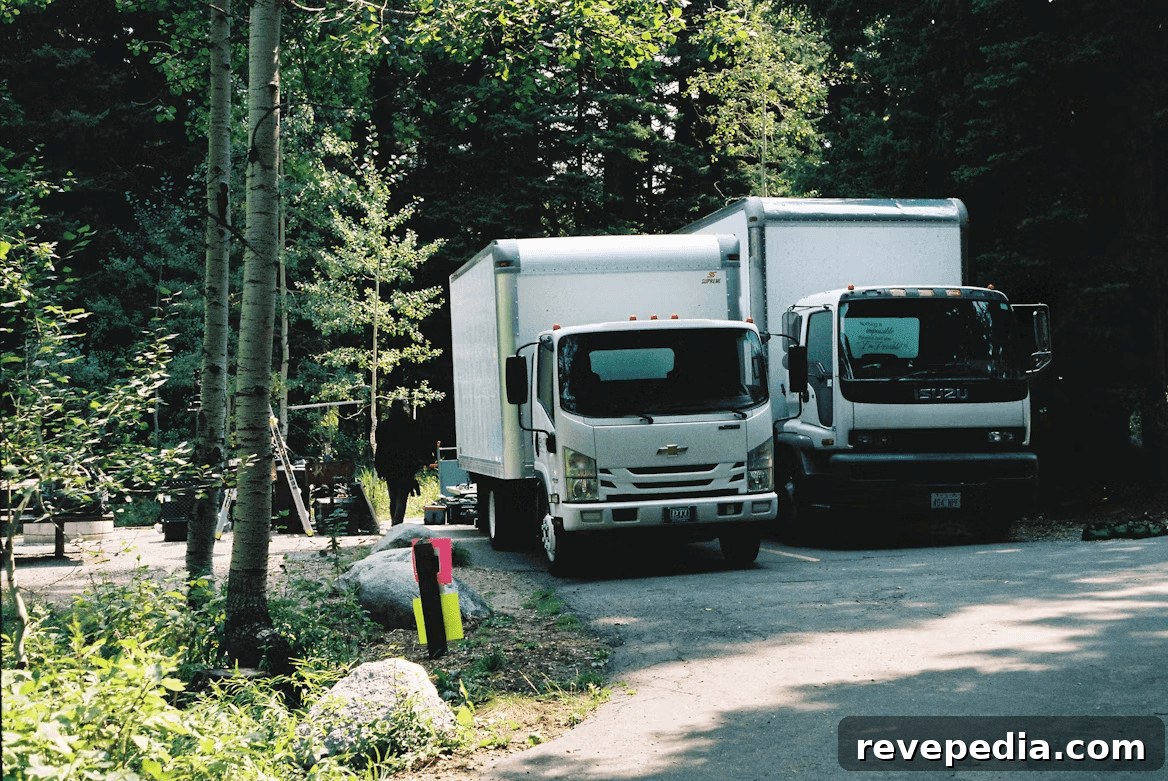
Piedmont’s streets are charming but not always designed for modern moving trucks. Many residential roads are narrow, some are sloped, and curb parking can be limited. Full-size trucks may not park directly at an entrance, requiring movers to carry items farther or negotiate a steep approach.
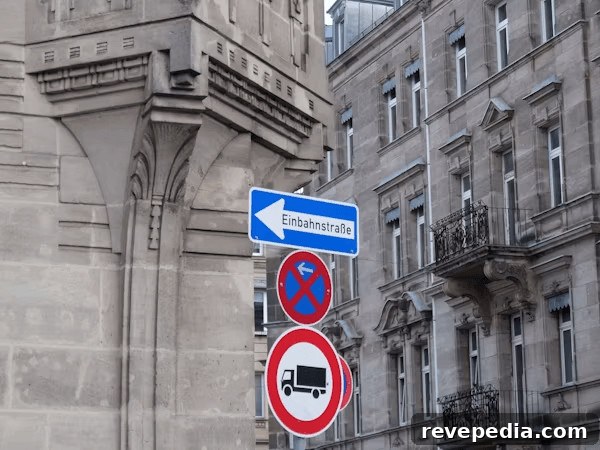
Scout your street in advance and consider where a truck can realistically park, whether a temporary parking permit is needed, and whether neighborhood restrictions apply. Local moving companies and crews familiar with Piedmont understand the differences among neighborhoods — from the flats near the town center to the winding streets of Upper Piedmont and the Piedmont Pines in the hills — and can save time by anticipating access quirks.
Climate, Storage, and Staging Considerations
If there is any delay between closing and move-in, or if you are downsizing and need temporary storage for items you can’t immediately place, select storage that protects antiques, artwork, and wooden furniture. While the Bay Area climate is relatively mild, humidity swings and temperature changes can affect delicate pieces; climate-controlled storage is often worth the investment.
Many historic homes have less built-in closet and storage space than modern houses. Arranging for short-term storage or a staged delivery schedule gives you time to thoughtfully position belongings instead of cramming everything in on move day, which preserves the home’s layout and your pieces.
Why Local, Experienced Movers Matter for Piedmont Homes
Moving into a historic hillside home in Piedmont is not a routine, one-size-fits-all job. Century-old construction, original craftsmanship, difficult staircases, and unique street access narrow the margin for error and raise the cost of mistakes. Choosing a moving company experienced with historic homes and familiar with Piedmont’s neighborhoods makes a tangible difference. Those teams arrive with the techniques, equipment, and local knowledge to protect both your possessions and the house itself.
When you measure carefully, protect original features, plan for stair and street constraints, and hire a crew that understands historic Piedmont houses, you minimize stress and preserve the character that drew you to the home. Do that, and you’ll be settling into a beautiful, historic Piedmont residence with its craftsmanship intact and ready to become part of one of the East Bay’s most storied communities.