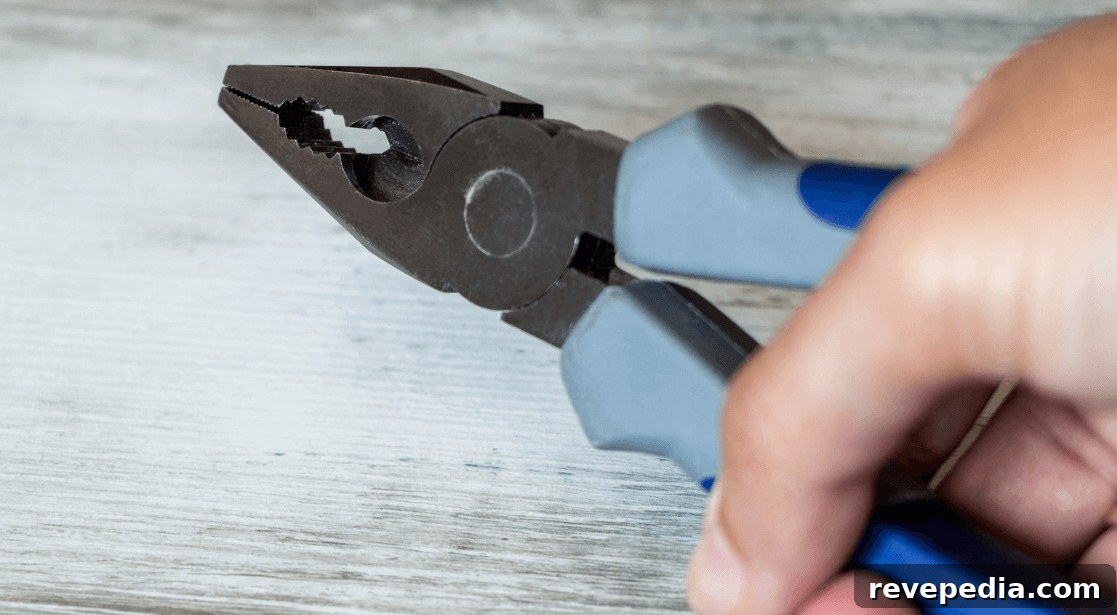
Parallel pliers are more versatile than their reputation suggests. Often thought of as a jeweler’s specialty—for bending wire and closing jump rings—their ability to keep jaws flat and grip evenly makes them useful for a wide range of everyday tasks. That same flat, parallel action that protects delicate finishes is exactly what makes them superior to standard scissor-action pliers for many common jobs, from turning nuts without rounding the corners to holding a bracket square while you fasten it.
This article explains what parallel pliers do best, why the “bulky and niche” stereotype is misleading, and where a pair belongs in a general household or trades toolbox.
 Photo
PhotoWhat are parallel pliers good for?
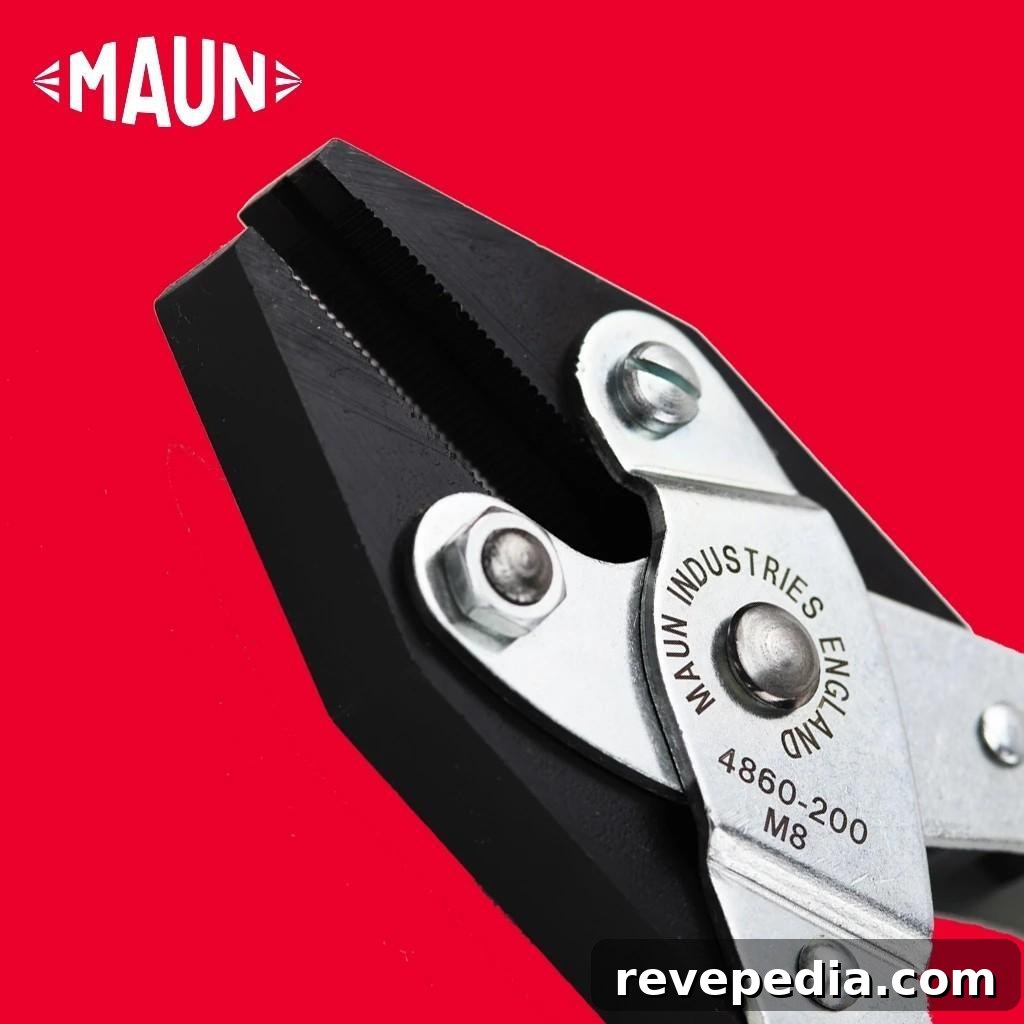
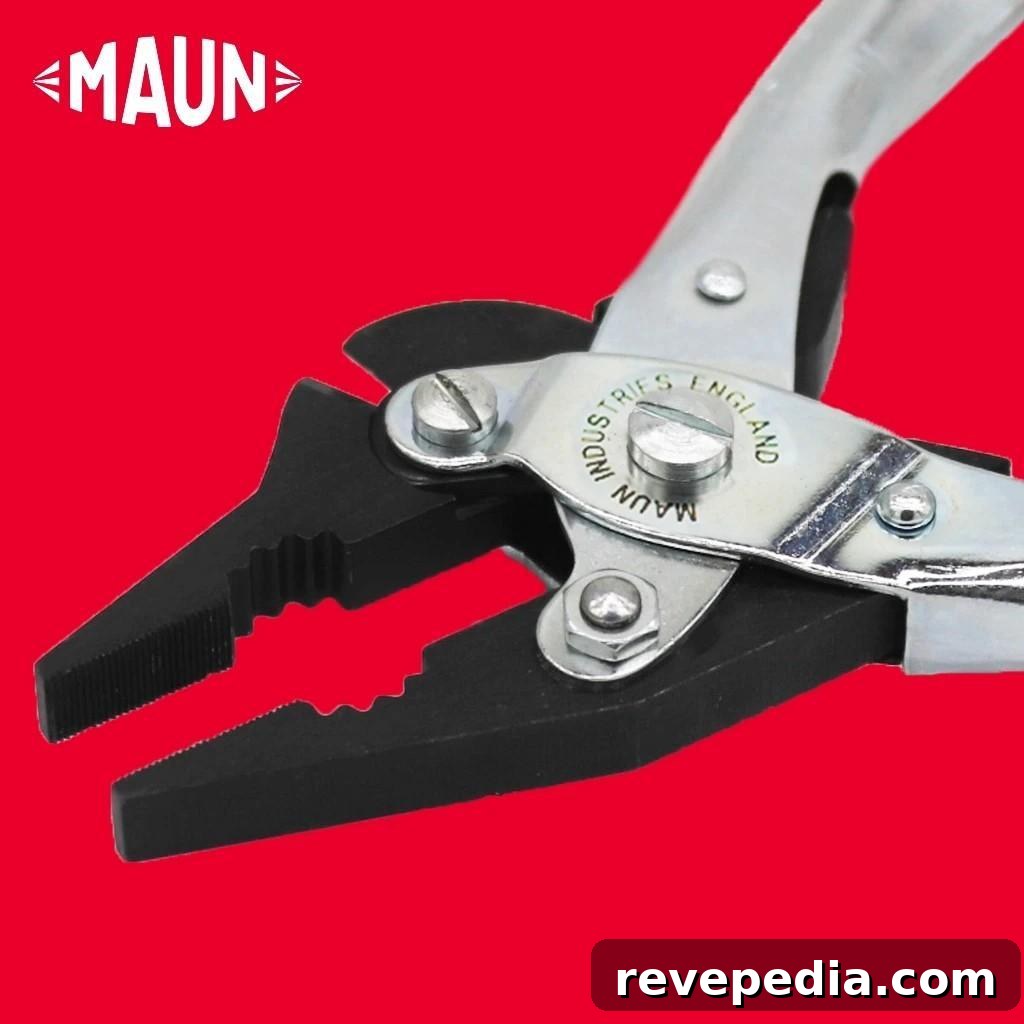
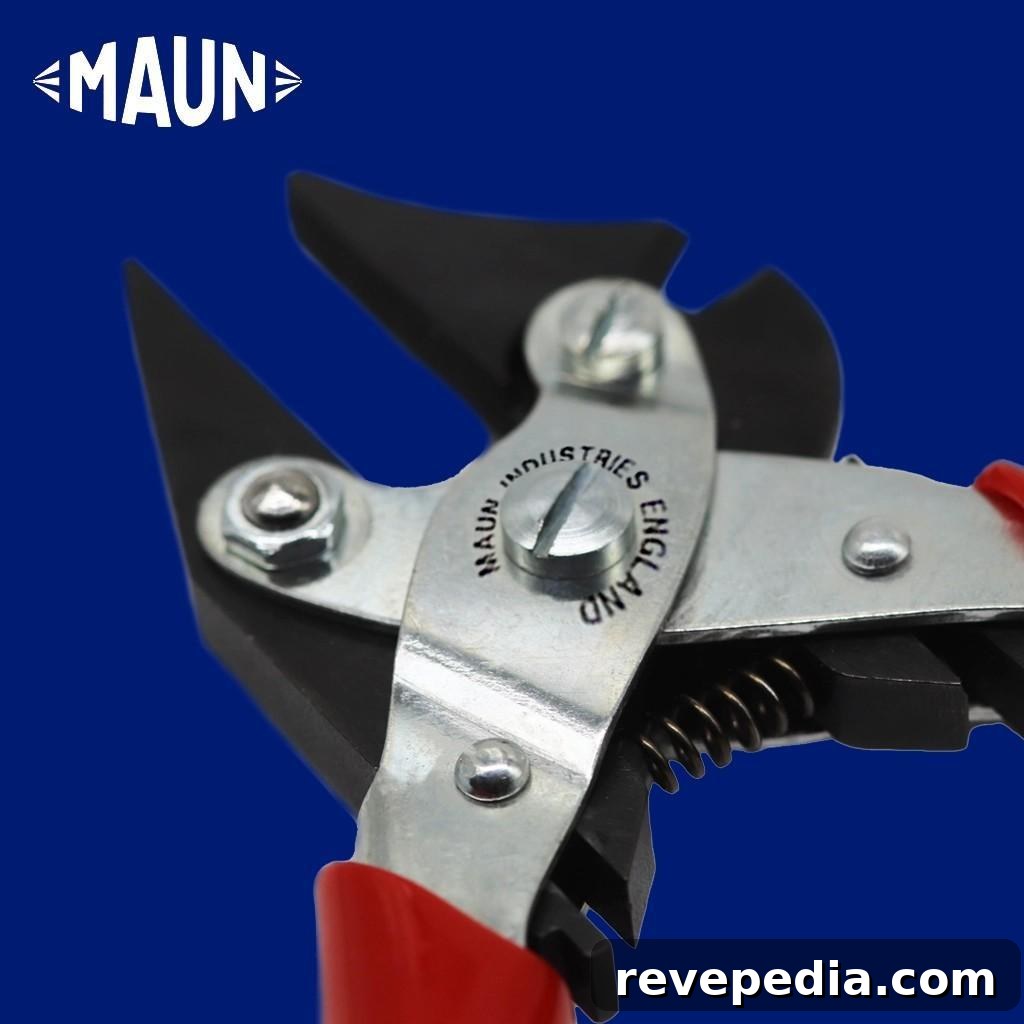
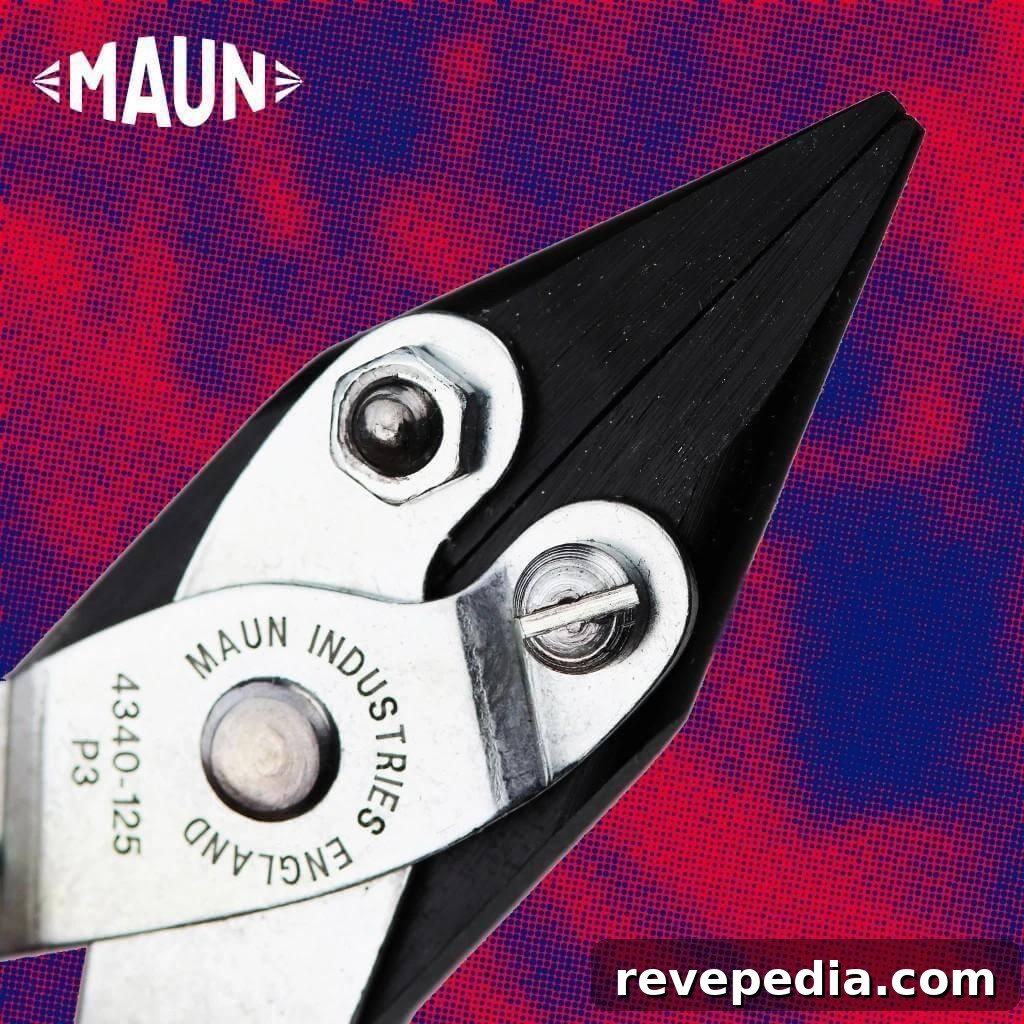
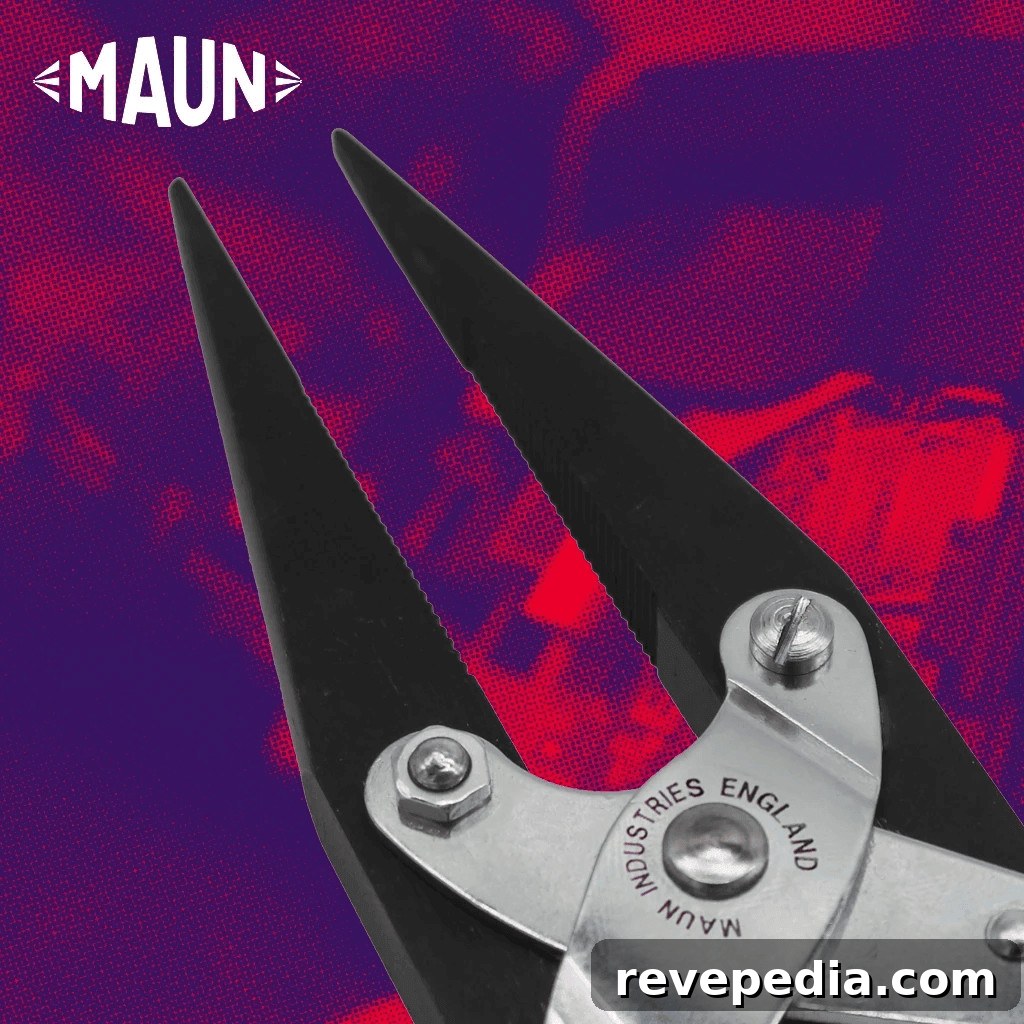
Parallel pliers close with jaws that remain flat and parallel through their entire travel. A mechanical linkage controls the movement so the jaws meet a surface along their full length rather than only at the tips. That even contact spreads clamping force and prevents the pinch-and-rotate action typical of ordinary pliers.
Because of that uniform grip, parallel pliers excel at tasks where a traditional pair would slip, mar, or deform the workpiece. Key uses include:
- Turning nuts and bolts without rounding them. The flat jaws sit square on the flats of a fastener and apply pressure across the face, avoiding the corner-biting action that rounds hex heads.
- Holding flat stock square while you work. Brackets, tabs, and small plates stay locked flat between the jaws, which is essential when starting screws, drilling pilot holes, or filing an edge.
- Gripping finished or plated parts without marking. Smooth parallel surfaces distribute pressure so polished fittings and soft metals are held securely without visible damage.
- Bending along a straight, predictable line. Because the jaws remain parallel, bends form cleanly and evenly rather than following the curved path of a pivoted jaw.
- Straightening and flattening. Kinked wire, warped tabs, and misaligned lids press true between the jaws, allowing fast, accurate flattening or reshaping.
 Photo
PhotoWhy the bulky-and-niche reputation is wrong
Two misconceptions keep many people from considering parallel pliers for general tasks, but both are inaccurate.
First, some assume they are too large or clumsy for precise work. In reality, the smooth parallel jaws provide a gentler, more secure grip on small parts than serrated tips. Watchmakers, electronics technicians, and other precision tradespeople favor parallel-action tools because they protect delicate components while holding them firmly.
Second, parallel pliers are often labeled as a jewelers-only tool. The parallel mechanism is not restricted to fine wirework. Whenever you need a flat, even grip—whether for plumbing fittings, furniture hardware, electrical work, or common home repairs—a parallel jaw outperforms scissor-action pliers. The misconception arose because jewelers popularized the design early, not because the tool has limited applications.
 Photo
PhotoWhere parallel pliers earn a place in a general toolbox
Around the house, parallel pliers prove their worth the moment ordinary pliers would cause damage. When loosening a chrome faucet fitting or a soft brass compression nut, parallel jaws grip squarely so fittings aren’t scarred and corners aren’t rounded. When you need to hold a small bracket steady to start a screw, the part remains square and stable instead of tilting out of a tapered grip. When you need to restore a bent hinge leaf or straighten a bracket tab, the flat jaws press it true in one action.
These are everyday tasks—plumbing, furniture assembly, appliance repair, and general maintenance—where a parallel-action pair simply does a better job than the pliers you already own.
 Photo
PhotoWhich parallel pliers are worthwhile?
Quality parallel pliers are an investment: they typically cost more than a cheap off-the-shelf pair. That higher price buys a tool that consistently grips flats and finished parts cleanly instead of rounding or marking them, so it expands what you can tackle rather than replacing any single plier type.
Look for smooth-jawed versions if you often work with plated, polished, or soft materials. Parallel action can be found across different shapes and sizes, from fine-tip models for precision tasks to broader jaws for general repairs. Choose a size and jaw style that match your most common needs so the tool complements the pliers already in your kit.
 Photo
PhotoCommon questions about parallel pliers
What are parallel pliers used for?
They are used to grip flat, square, or delicate parts without rounding or marking them: turning nuts and bolts without chewing corners, holding flat stock square while you drill or fasten, bending evenly along a straight line, straightening small parts, and performing detailed wirework like closing jump rings or flattening wire.
Are parallel pliers a separate category?
Parallel action describes how the jaws move, not a single plier style. That mechanism can be applied to different plier types—needle-nose, combination, or snipe-nose—so it complements standard categories rather than replacing them.
Conclusion: Are they worth it?
Parallel pliers are worth adding to a general toolbox if you want a reliable way to grip flats and finished parts without damage. Their even, flat grip solves a surprising number of common problems—plumbing, furniture, electrical work, and many household repairs—so they deserve a place alongside your other essential pliers. The tool’s reputation as narrowly useful understates its practicality: in many hands, a parallel-action pair is one of the most broadly helpful specialty pliers you can own.