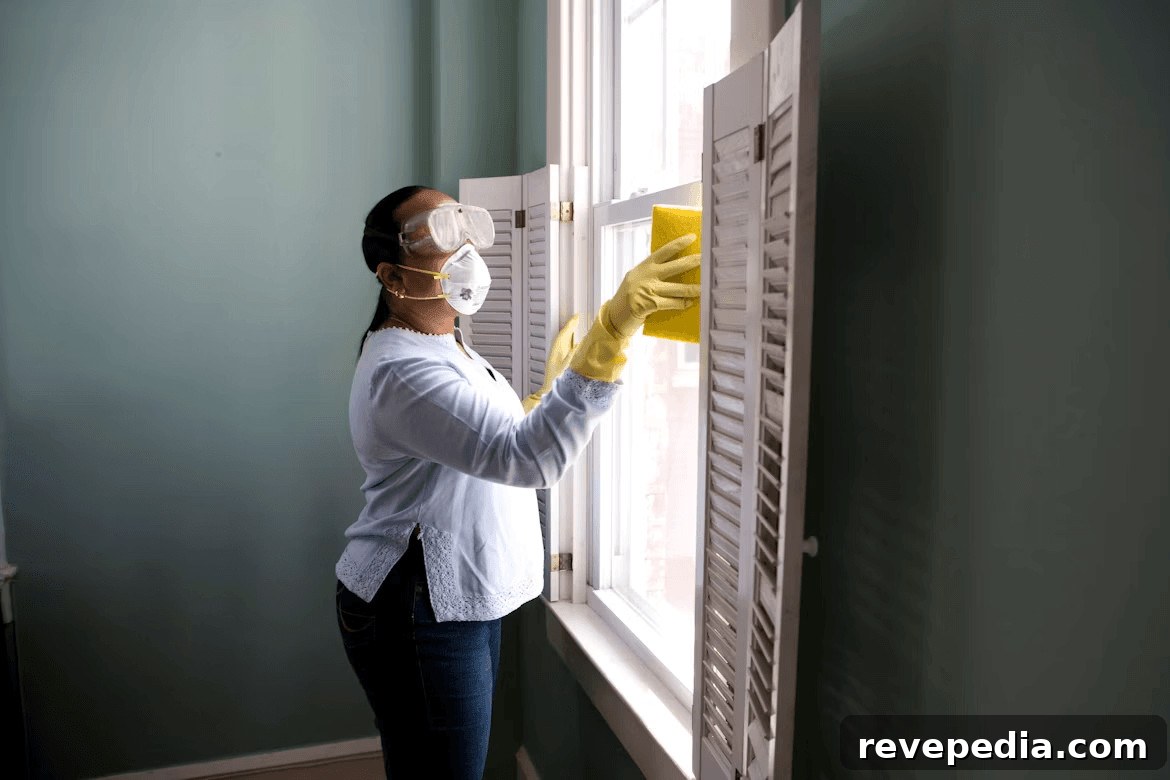
Most homeowners reading this site have crawled into an attic to fix a clogged soffit vent or ripped out a rotten patch of subfloor after water got where it shouldn’t. That same “I’ll just handle it myself” instinct that serves you well for a deck rebuild can turn a small pest sighting into a long-term structural headache. A few ants on the counter or a scratching noise inside a wall feels minor—until it isn’t. DIY confidence, useful for many projects, can work against you when the underlying problem isn’t fully diagnosed.
The connection to renovation mistakes is closer than it seems. Rushing a repair without understanding what’s behind the surface often means you spend more time and money fixing the repair itself. Pest control follows the same logic: skip a proper diagnosis, spray what you see, and declare victory too early, and you’re only postponing a larger, messier problem.
Ignoring Early Warning Signs: Why Small Pest Problems Can Become Major Disasters
Seeing a single carpenter ant on the kitchen floor rarely feels urgent. Neither does a faint musty odor in the basement or a few pepper-like droppings behind the stove. Yet these are rarely isolated incidents. Many infestations start with a small, dismissible sign. Termites can chew for months before floors sag or trim sounds hollow, and rodents can nest inside insulation for weeks before nighttime noises become obvious.
The practical response is simple, though uncomfortable: treat the first sighting as useful information, not just an annoyance. Record where you saw it, what time of day it occurred, and whether moisture or food sources are nearby. In regions with humid summers and older housing stock, pests like termites and carpenter ants can move from yard to foundation quickly and quietly. Waiting for repeat sightings before acting is often how a two-week problem becomes a two-year project.
Using the Wrong Products or Misapplying Treatments: How DIY Mistakes Worsen Infestations
Hardware store aisles are full of sprays that promise instant elimination. The problem: many are designed to kill on contact and don’t address the colony, nest, or root cause. Spraying visible ants, for example, can trigger a behavior called “budding,” where the colony splits and scatters, creating multiple new nests across the property.
Mistakes in product selection and application compound these issues. Overusing repellent products near a foundation can push termites deeper into a structure rather than eliminating them. Choosing the wrong bait can inadvertently feed the pest you’re trying to remove. Identifying the species first is crucial: a solution for pavement ants does nothing for odorous house ants, and a poorly placed rodent snap trap will be ignored.

Licensed technicians apply treatments based on species-specific behavior and lifecycle, placing products where they will disrupt the colony or nest rather than only kill visible insects. That species-focused strategy explains why professional results often outperform repeated DIY attempts.
Treating Visible Pests Without Addressing Root Causes: Why Infestations Return
Killing pests you can see is satisfying, but it’s like painting over water damage without fixing the leak. Pests are attracted to what your home offers—moisture, access points, or easy food—and until those conditions change, new pests will follow. Persistent infestations most often reflect open access or favorable conditions that weren’t corrected.
Structural damage escalates when entry points and conditions are ignored. Sealing foundation cracks, repairing torn screens, closing gaps around utility lines, and fixing drainage issues near the foundation are more impactful long-term than a single treatment. A technician who locates and repairs those access points is preventing future infestations as much as treating the current one.
Delaying Professional Help: The Hidden Costs of Waiting
There’s a specific kind of procrastination with pest problems: they seem manageable, so you tell yourself you’ll call a pro next week. Meanwhile the colony expands and the damage spreads, turning a small intervention into an expensive restoration. Many homeowners eventually learn this the costly way—what starts as a single treatment becomes multiple visits plus structural repairs.
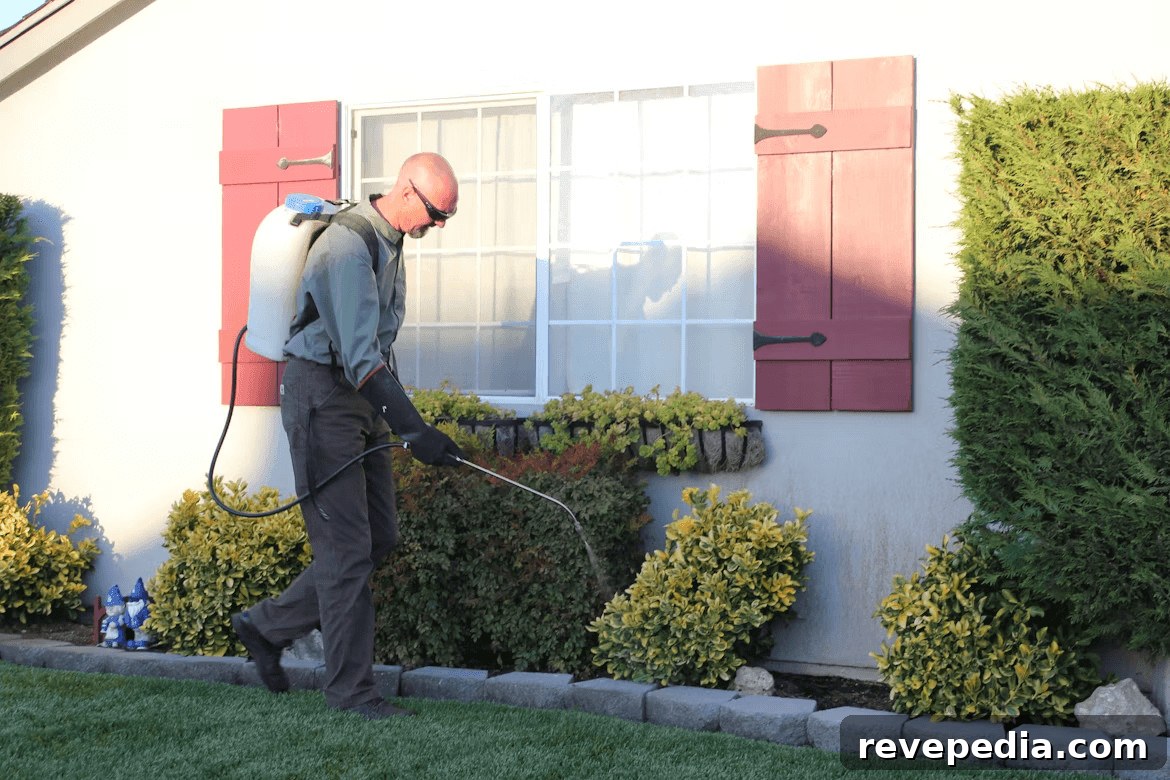
Waiting changes both the scope of work and the cost. An infestation caught early may need only one targeted treatment and a sealed entry point. One left months to grow can require insulation replacement, structural repairs, and repeated treatments. Homeowners who save money in the long run are the ones who treat the first warning signs the same way they would a small roof leak or a hairline foundation crack: worthy of prompt attention before the issue becomes far larger.
| Statistic | Figure |
| Homeowners experiencing pest issues annually | Common — many households report recurring problems |
| Homeowners relying mainly on DIY sprays and traps | A large portion continue to use DIY methods despite repeat infestations |
| Homes with pest-related structural damage | Significant — sealing access points prevents recurring issues |
| Average termite repair costs | Can be substantial when damage becomes structural |
| Growth in professional pest control use | Many homeowners ultimately turn to licensed services |
Practical steps that reduce long-term cost and damage: treat early signs as diagnostic data, identify the pest species before choosing a remedy, correct structural or moisture issues that attract pests, and call a licensed technician when the problem goes beyond a single sighting. Addressing the root causes prevents repeat treatments and protects your home’s structure far more effectively than periodic spray-and-hope tactics.