
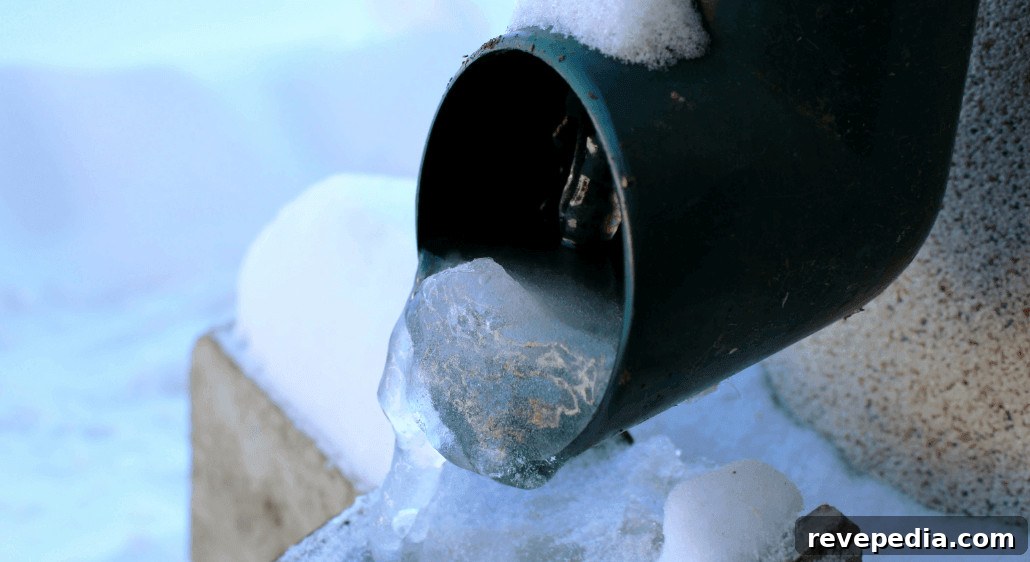
A faucet that only produces a thin stream on a freezing morning is easy to blame on low water pressure. Before you assume that, check a few other taps. If those deliver normal flow, a supply pipe may be frozen, and waiting for milder weather to fix it can leave you dealing with a leak.
The vulnerable spots are usually modest and out of sight: the pipes under the kitchen sink, a line beside a drafty basement window, or plumbing run along an uninsulated garage wall. Addressing these weak points in the fall is the simplest way to prevent frozen pipes — and far better than discovering a burst on the day the water stops.
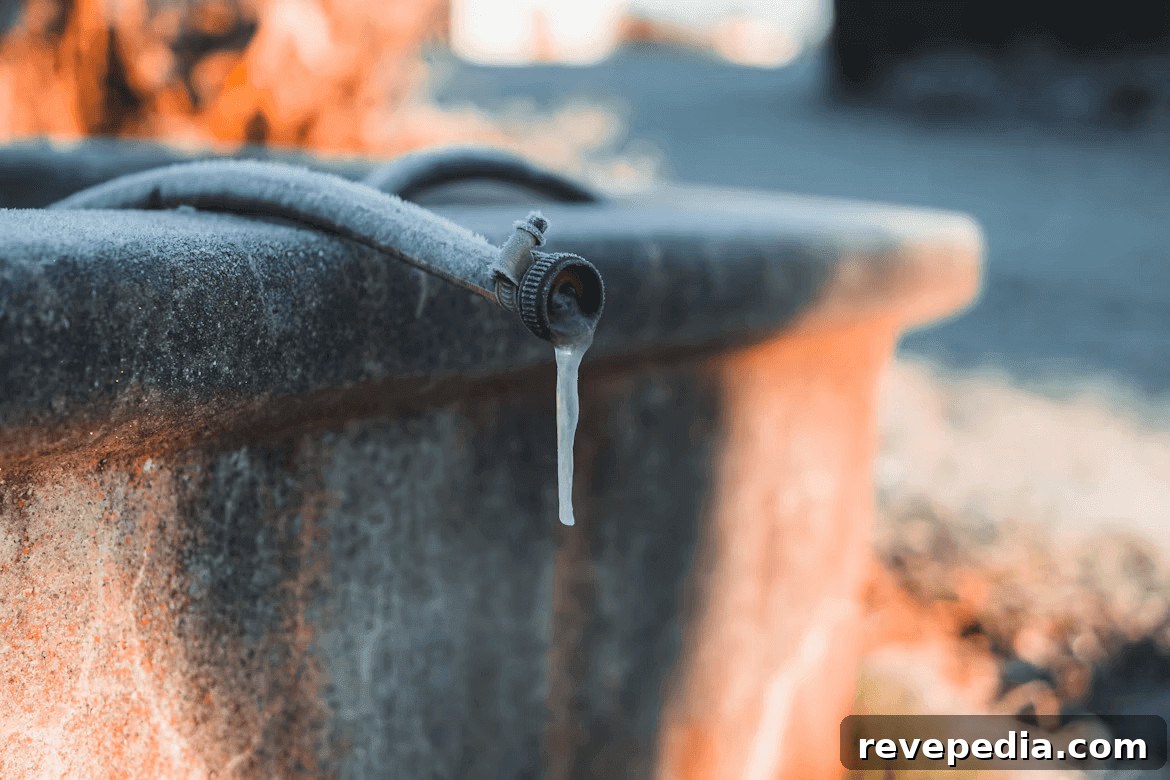
Image: Unsplash
Where Pipes Are Most Likely to Freeze
Start with any plumbing that runs outside the heated portion of the house. Crawl spaces, attics, garages and unheated basements are common trouble spots, as are exterior walls where insulation is thin or cold air can get in.
Sinks are a frequent surprise. A kitchen can feel comfortably warm while the pipes tucked behind a closed cabinet get much colder. Outdoor faucets deserve attention, and so does the point where the main water line enters through the foundation.
Some of these pipes are hard to see or reach. If you don’t know which lines need protection, a pre-winter plumbing inspection can identify vulnerable areas. A local plumber can assess exposed pipes and recommend preventive measures before the first hard freeze.
How the damage occurs matters, because the break is not always where you’d expect. Water expands when it freezes and growing ice can trap liquid water between the ice and a closed faucet. Pressure builds in that pocket until the pipe splits, sometimes far from the ice itself. Many homeowners don’t find the split until the thaw, when the trapped water finally leaks out.
Temperature plays a role, but not always in the way people assume. Water freezes at 32°F, yet a pipe may not freeze the instant the air dips below that. Research cited by building and plumbing authorities shows that unprotected pipes in unheated attic spaces can begin to freeze when outdoor temperatures drop into the low 20s Fahrenheit or below. Pipes exposed to cold drafts or lacking sufficient insulation may freeze at higher temperatures during prolonged cold spells. Check the forecast before a cold night rather than waiting until the water stops.
How to Prevent Frozen Pipes Before Winter
Foam pipe sleeves are an effective first step. They are inexpensive and slip over any pipe you can reach, provided you choose the correct size. Pay attention at joints and elbows, since gaps will leave sections of pipe exposed.
Insulation only slows heat loss; it does not add heat. A pipe in a very cold, unheated space may still freeze if cold conditions persist. Electric heat tape or cable is useful in many locations — choose a tested product that’s approved for your pipe material and follow the manufacturer’s instructions carefully during installation and use.
Seal drafts around where pipes pass through exterior walls, around basement windows, and along the sill plate. Use caulk or expanding foam to close most gaps, while leaving required ventilation openings clear. If plumbing runs through an attached garage, keep the garage door closed in very cold weather.
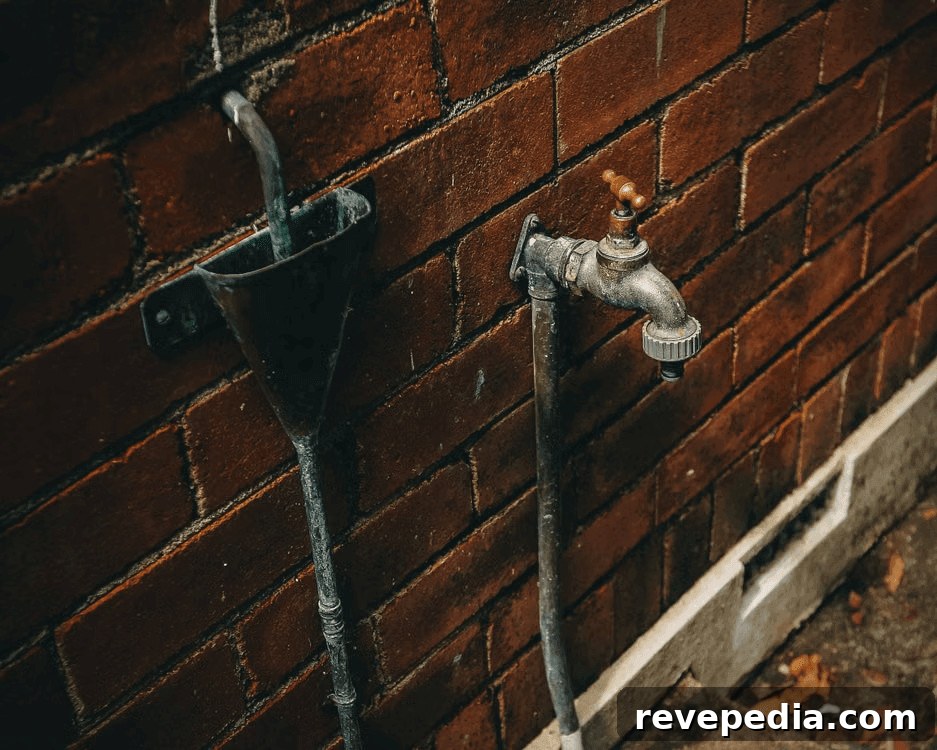
Image: Pexels
Outside, remove garden hoses before the first hard freeze. A hose left attached can trap water in the faucet and prevent the line from draining, even if the faucet is advertised as frost-resistant.
Where an indoor shutoff feeds the outdoor tap, close the indoor valve and open the exterior tap so the line can drain. Leave the outdoor tap open afterward unless the manufacturer specifies otherwise. Irrigation systems require their own winterization steps, so follow the installer’s guidance or hire a technician.
Add these tasks to a year-round preventative maintenance routine, and locate your home’s main water shut-off before winter arrives. Label it clearly and make sure everyone in the household knows where it is and how to use it.
Support Vulnerable Pipes During Severe Cold
If a hard freeze is coming, open the cabinet doors beneath sinks on exterior walls so warm room air can circulate around the pipes. Remove any cleaning products or hazards first if you have children or pets.
A thin, steady trickle from a faucet served by exposed plumbing can reduce the chance of freezing. This is not a guarantee, so combine it with a warm interior temperature and sealed drafts for the best protection.
Avoid turning the thermostat down during cold snaps. If you plan to be away, leave the heat on — many emergency-preparedness guidelines recommend not lowering indoor temperatures below about 55°F (roughly 13°C) while you are gone.
Ask a neighbor or friend to check the house during extended absences. For long trips, consult a plumber about professional winterizing: shutting the main valve and opening a few faucets might not fully drain every line.
How to Tell If Your Pipes Have Frozen
If a faucet produces little or no water, test other faucets — both hot and cold. If only one fixture is affected, you’ve narrowed the problem, though a blocked aerator or faucet fault could also be the cause.
Frost on an exposed pipe is an obvious sign. A toilet that won’t refill is another clue pointing to a frozen supply line.
If no water runs anywhere in the house, don’t immediately assume the main has frozen; it could be a utility outage. Check with a neighbor to see if their water is off as well.
How to Thaw Frozen Pipes Safely and Watch for Leaks
Before applying heat, inspect any visible portion of the pipe. Cracks, bulges or moisture indicate damage and the need for a plumber. If you suspect a split, shut off the main water supply because a ruptured pipe can begin leaking as soon as the ice melts.
If the pipe appears intact and you can reach it safely, open the faucet it supplies. If you aren’t sure whether the hot or cold line is frozen, open both.
Warm the pipe starting near the faucet and work back toward the frozen section. Use gentle, consistent heat — do not try to thaw the pipe rapidly. Safe warming methods include:
- A hair dryer moved slowly along the pipe
- An electric heating pad approved for pipe thawing
- Towels soaked in hot water and replaced as they cool
Handle electrical devices with care: do not use them while standing in water or with wet hands, keep plugs and connections away from wet areas, and follow the manufacturer’s safety instructions.
Never use an open flame, propane or kerosene heater, charcoal stove, or similar devices to thaw pipes; the fire risk to nearby wood, insulation and walls is too great.
Once water begins flowing, continue to watch for leaks. Normal pressure does not guarantee every section survived, so inspect visible pipes during the thaw and periodically over the next several hours. If you find a leak, shut off the water and contact a plumber. If you cannot locate, access, or safely thaw the frozen section, call a professional.
What to Do If a Pipe Bursts
If a pipe bursts, shut off the main water valve if you can reach it safely. Stay away from standing water near electrical outlets, appliances, cords or the electrical panel.
Only switch off the power yourself if the electrical panel is dry and you can reach it without stepping in water. Never touch a wet panel. If electrical safety is uncertain, call an electrician or your utility, and have affected electrical equipment inspected before restoring power.
Follow the plumber’s or the water heater manufacturer’s guidance for shutting down the water heater.
When the area is safe, open faucets to drain remaining water and photograph the damage for records. Remove standing water and soaked materials promptly. Fans and a dehumidifier will aid drying, but do not use electrical drying equipment until the electrical system is confirmed safe.
Work to have everything dry within 24 to 48 hours to reduce mold risk. Wet insulation and wall cavities may need professional drying and repair, since surface drying won’t remove moisture trapped behind drywall.
Don’t Keep Thawing the Same Pipe Every Year
If the same pipe freezes each winter, underlying issues need correction. Missing or inadequate insulation, unsealed drafts, poor heating distribution, or plumbing routed in exposed locations are common causes.
A plumber can advise whether rerouting the line, installing a properly fitted frost-free outdoor faucet, or adding insulation and air sealing will resolve the problem. In many cases, sealing drafts and improving insulation around the pipe is the best and most cost-effective solution.
Leak-detection alarms provide a useful secondary safeguard. Basic models sound an alarm locally, connected systems can send notifications, and some smart systems can automatically shut off the water supply. None are foolproof, but a well-placed device can give you time to act before a small leak becomes a major loss. Combined, fall maintenance, a plan for severe cold, and prompt action when a pipe freezes give you the best chance of preventing frozen pipes from becoming burst pipes.