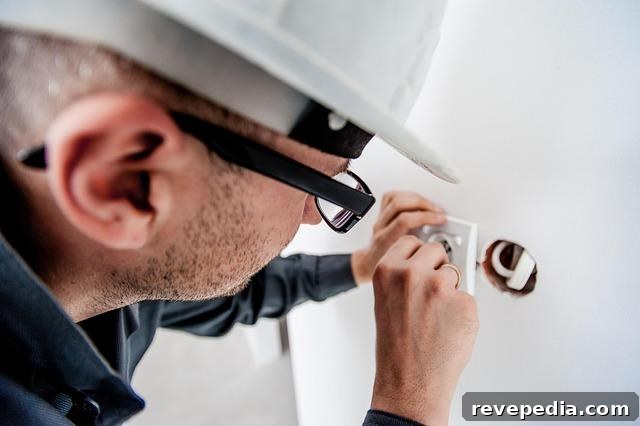
Preventive maintenance involves scheduled inspections, routine servicing, and minor repairs designed to keep a property’s systems running efficiently. Unlike reactive maintenance, which responds to problems after they arise, preventive maintenance reduces the chance of failures by addressing wear and vulnerabilities early. Over time, this proactive approach saves money, preserves property value, and increases reliability. From plumbing and HVAC to roofs and paved surfaces, every component benefits from consistent, planned care.
Understanding Preventive Maintenance for Different Property Types
Residential and commercial properties have distinct maintenance needs. Homes typically require less frequent attention, while commercial properties often see heavier use and must comply with stricter safety, accessibility, and regulatory requirements. A comprehensive maintenance plan should reflect a property’s size, usage patterns, and the specific systems in place so no critical component is missed.
For commercial owners, liability exposure and regulatory compliance add layers of complexity: regular inspections, documented repairs, and routine system testing help meet legal and safety obligations. Additionally, a well-documented maintenance history can be a strong selling point, reassuring potential buyers and increasing market value—an important consideration when evaluating multi-use properties.
Interior Preventive Maintenance Essentials
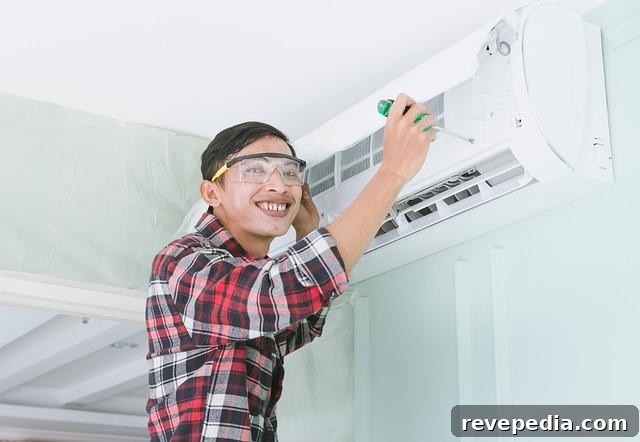
Interior systems are central to comfort, health, and the long-term condition of a property. Regular HVAC inspections and timely filter replacements maintain indoor air quality and energy efficiency, while seasonal servicing reduces the risk of breakdowns during peak demand. Plumbing should be checked periodically for leaks, corrosion, and pressure problems, as minor issues can quickly escalate into costly water damage. Electrical systems require routine testing to confirm safe operation and to prevent hazards such as overloaded circuits or faulty wiring.
Routine cleaning and decluttering support preventive maintenance by reducing wear and helping occupants and technicians spot emerging problems early. Combining visual checks with scheduled professional inspections ensures systems remain reliable and safe.
Exterior Maintenance and Structural Upkeep
Exterior maintenance protects a building from environmental stressors and preserves curb appeal. Roof inspections detect damaged shingles, flashing issues, and leaks before they worsen. Regular gutter cleaning ensures proper drainage and prevents water from pooling near foundations, which can cause structural damage over time.
Inspections of siding, exterior walls, and foundations help identify cracks, settling, or moisture intrusion. Maintaining proper grading and drainage around the property prevents water from undermining foundations, while attentive landscaping avoids problems from invasive roots or overgrowth. Consistent exterior care extends the lifespan of materials and keeps the structure sound.
Importance of Regular Septic System Maintenance
Septic systems are a vital, often overlooked component for properties that are not connected to municipal sewer systems. These systems require scheduled pumping and periodic inspections to function safely and efficiently. Without proper maintenance, tanks can become overloaded, leading to backups, foul odors, and potential health hazards.
Warning signs of septic trouble include slow drains, gurgling sounds in plumbing, and standing water or soggy areas around the drain field. Routine pumping and professional inspections prevent these issues, extend the system’s life, and help maintain compliance with local health standards. For dependable servicing, property owners should use reputable septic service providers to ensure the system remains safe and operational.
Maintaining Safe and Durable Surfaces with Asphalt Paving Repair
Driveways, parking lots, and other asphalt surfaces face constant wear from weather and traffic. Left unchecked, small cracks and surface deterioration can develop into potholes and more extensive structural damage. Early detection and repair are essential to preserve surface integrity and safety.
Regular inspections allow property owners to address minor defects before they expand. Sealcoating provides a protective barrier that slows oxidation and moisture penetration, extending the life of asphalt. Prompt patching and resurfacing reduce long-term costs and minimize liability risks associated with damaged surfaces. Working with experienced paving professionals ensures accurate assessments and quality repairs tailored to the specific conditions and usage of the paved area.
Seasonal Maintenance Checklist
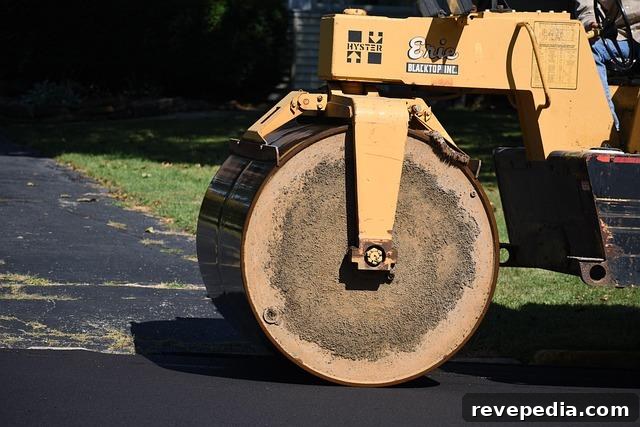
Seasonal tasks help protect a property throughout the year. In spring and summer, focus on roof inspections, gutter cleaning, HVAC servicing, and exterior repairs—these months are also ideal for landscaping and moisture control projects. In autumn, prepare for colder weather by clearing debris, checking insulation, sealing gaps, and ensuring effective drainage away from foundations. Winter maintenance should prioritize heating system performance, ice and snow management, and keeping walkways safe to prevent slips and falls.
Tailoring maintenance activities to seasonal risks reduces emergency repairs and protects both the structure and the occupants. A clear checklist for each season helps property managers and homeowners stay organized and proactive.
Creating a Preventive Maintenance Schedule
An organized maintenance schedule is the foundation of an effective preventive program. Classify tasks by frequency—monthly checks, quarterly servicing, and annual evaluations—so responsibilities are clear and nothing is overlooked. Budgeting for routine maintenance spreads costs over time and avoids unpleasant surprises when repairs become necessary.
Keep detailed records of inspections, repairs, and service dates to track trends and make informed decisions about replacements or upgrades. While some basic tasks can be handled by property owners or staff, many systems require professional expertise to ensure safe, long-lasting results. Knowing when to hire qualified technicians will protect the property, reduce downtime, and preserve value over the long term.