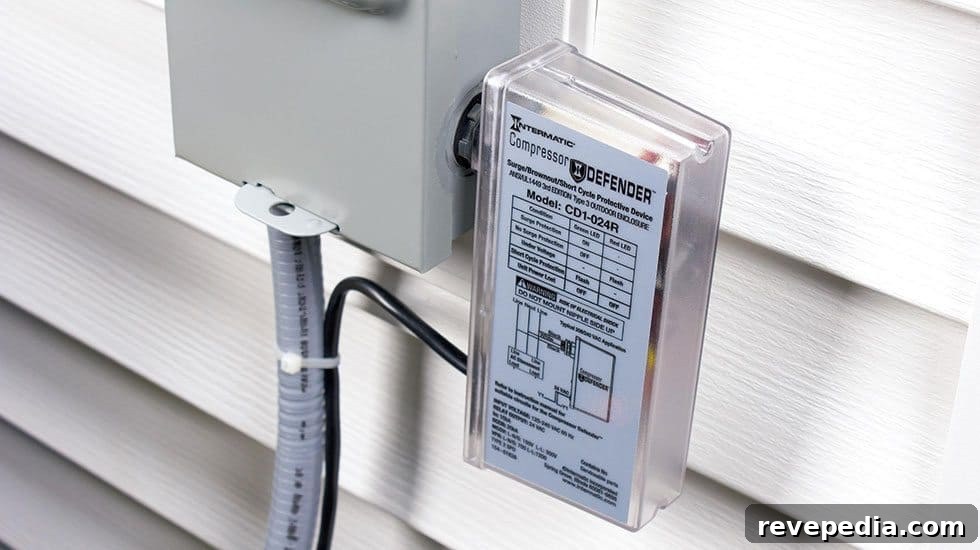
Air conditioners are sensitive electronic appliances that can be damaged by power surges and voltage irregularities, just like any other electronic device. Although outdoor units are built to withstand weather, they are not immune to electrical stress and require regular maintenance and protective measures to remain reliable.
Routine care—such as changing filters and inspecting electrical connections—helps keep an air conditioner running efficiently. Adding an external surge and low-voltage protector is a practical, cost-effective step to guard the unit’s electronics and compressor from sudden spikes or drops in voltage.
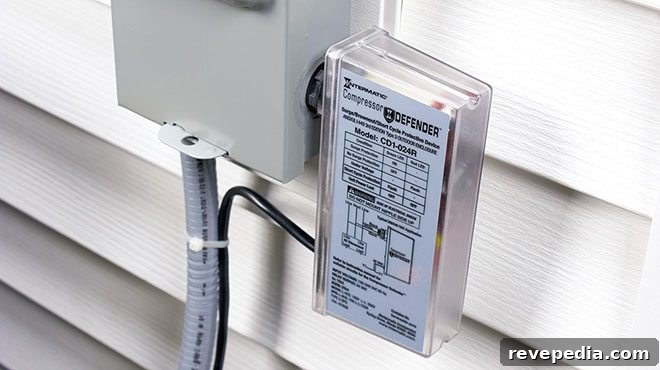
Beyond regular filter changes, consider installing a purpose-built protector like the Intermatic Compressor Defender. This device is designed to shield air conditioner compressors from surges and low-voltage events, functioning much like the surge protectors many of us use for computers and home electronics.
Relying solely on any air conditioner’s internal protection is not the safest choice. An external protector provides a higher level of defense, helping ensure the system continues to operate through peak summer demand and unstable grid conditions.
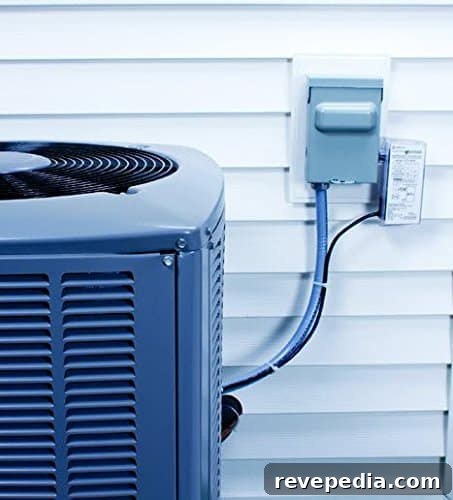
Monitor Your Voltage
Consistent voltage is essential for efficient compressor and motor performance. When voltage drops, motors draw more current and motor winding temperatures rise—typically increasing by about 10% to 15% for every 10% drop in voltage. Prolonged low-voltage operation can accelerate wear and lead to premature motor failure.
A dedicated protector like the Compressor Defender continuously monitors incoming voltage and reacts quickly—within a few line cycles—to low-voltage events. This fast response helps protect the compressor before an overload develops and causes thermal damage.
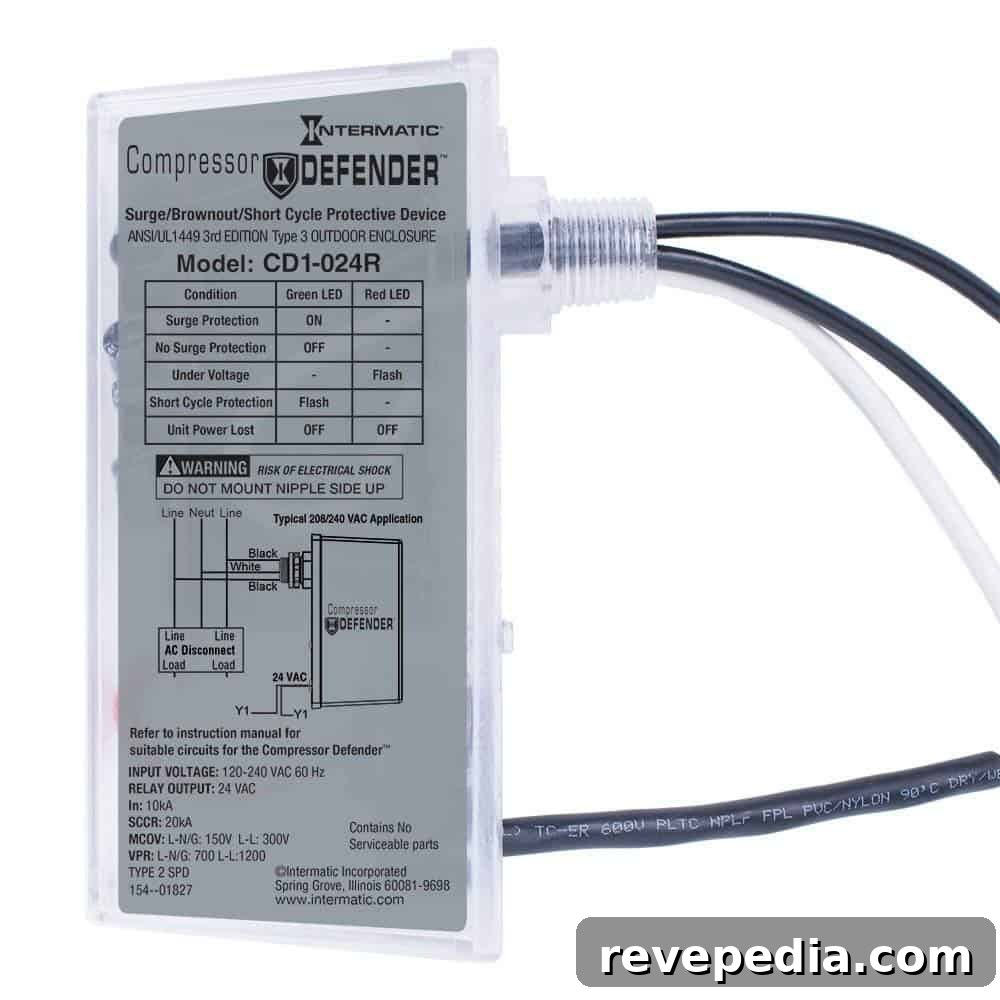
Power quality challenges—such as voltage sags, spikes, and rolling outages—are increasingly common across many grids. Installing voltage-monitoring protection on air-conditioning units reduces the risk of costly failures and extends the equipment’s useful life.
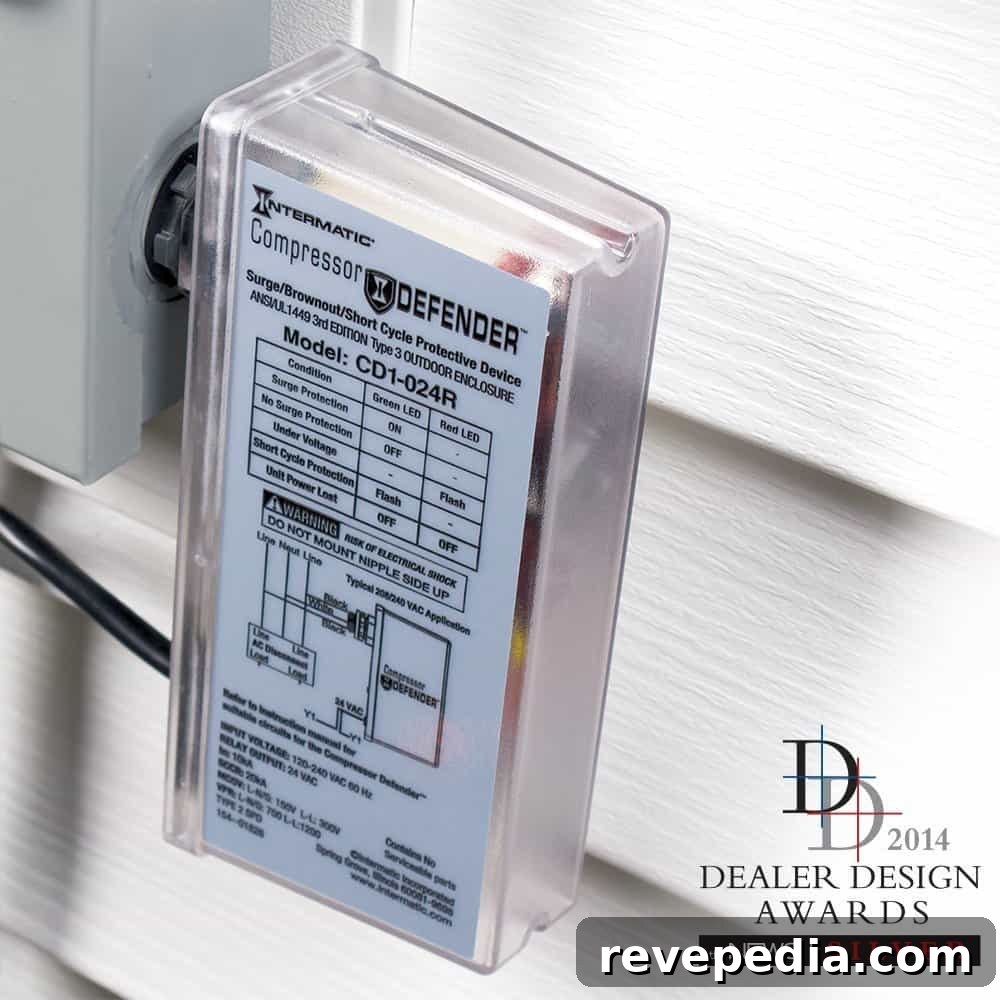
Surge Protection
Surge protection is a critical part of safeguarding sensitive electronics in the home and for larger appliances. While whole-home surge devices protect many circuits, dedicated protection for an air conditioner addresses unique challenges such as compressor sensitivity, short cycling, and brownouts at 120, 208, and 240 VAC loads.
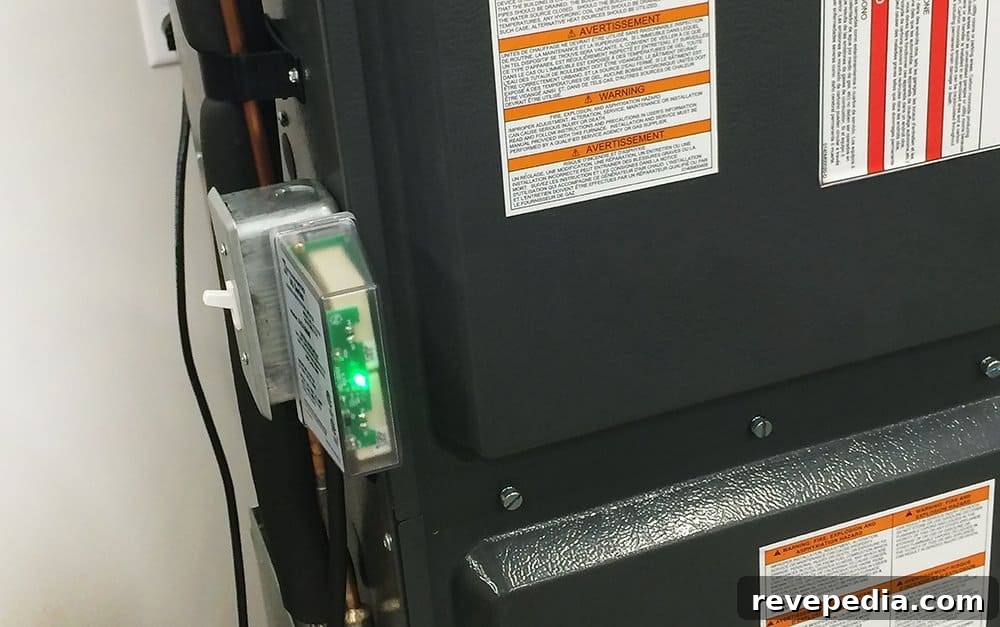
Products designed for HVAC systems, like the Compressor Defender, combine surge absorption and voltage monitoring to prevent damage from transient spikes and prolonged low-voltage conditions. This targeted protection helps the compressor continue running smoothly and avoids resets or electronic glitches that can disrupt settings and performance.
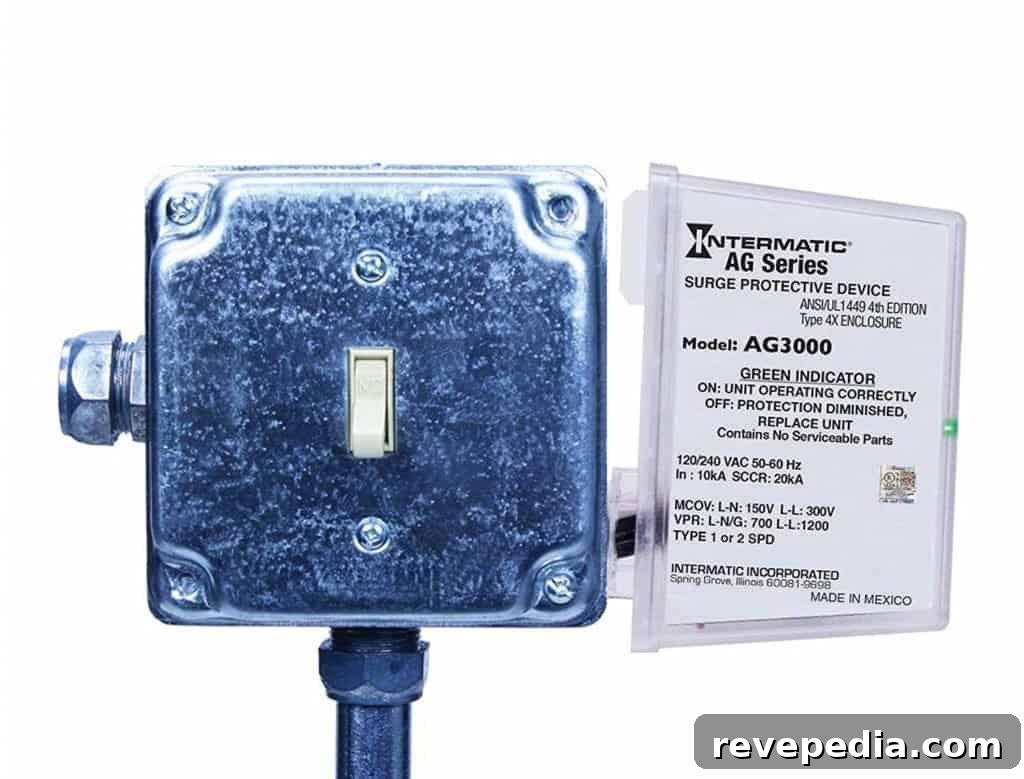
A power surge can cause an air conditioner to reboot, lose programmed settings, or suffer damage to control boards—effects similar to what a computer might experience. Proper surge protection reduces these risks and helps maintain reliable operation.
Installation
Installation of a compressor protector is generally straightforward. Many units can be mounted inside the condensing unit or attached to the outdoor compressor and can be installed in about ten minutes by a qualified technician. Devices that meet industry standards, such as AHRI guidelines, are engineered to integrate safely with HVAC systems.
Adding a dedicated protector can save money over time by reducing the likelihood of emergency service calls, preventing out-of-warranty compressor failures, and extending the air conditioner’s service life.
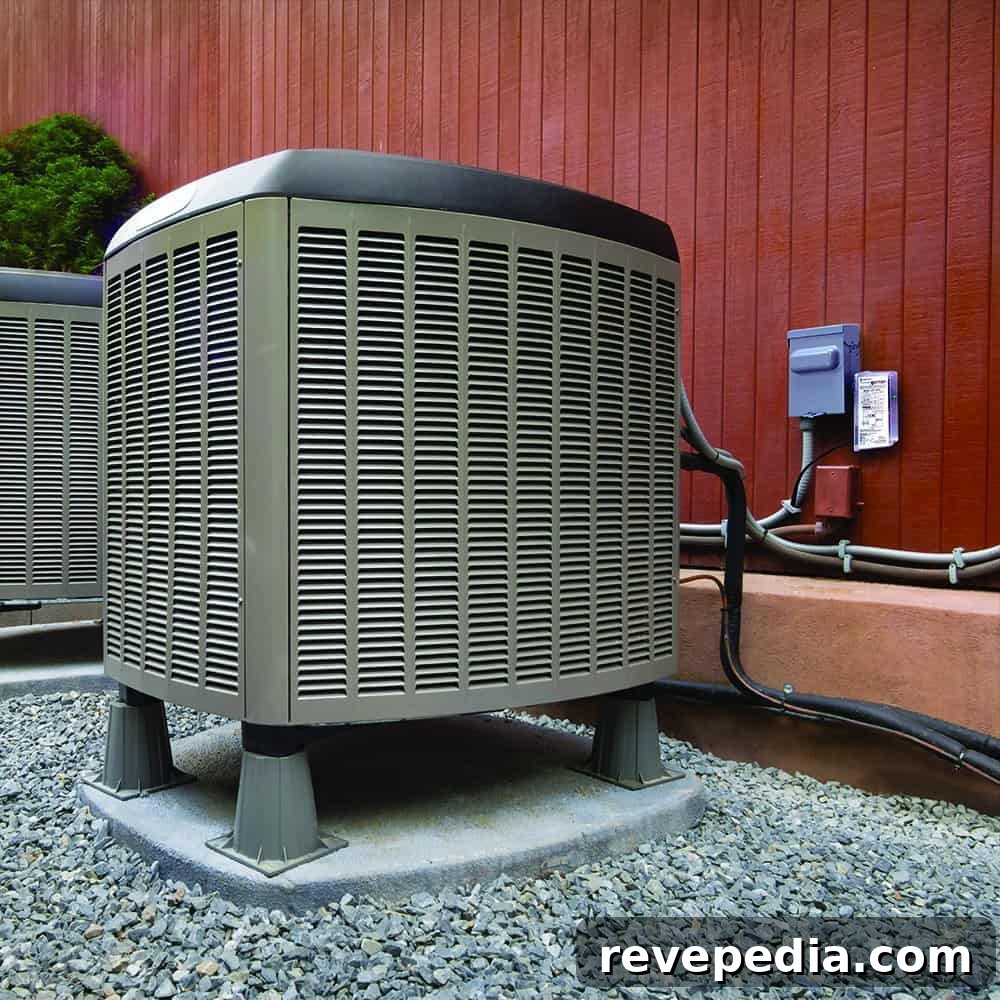
Air-conditioning systems represent a significant investment. With proper maintenance and the right electrical protection—voltage monitoring and surge suppression—you can minimize the chance of premature failure and get many more seasons of reliable cooling from your unit. Check whether your system has dedicated surge and low-voltage protection, and consider adding a protector if it does not.