Keeping a home in good condition requires more than cosmetic upkeep. Long-term performance depends on regular maintenance and effective pest control to protect structural components.
While many homeowners focus on appearance, pests can quietly damage critical systems such as framing, insulation, and wiring. Rodents and insects may gnaw, nest, or create entry points that allow moisture intrusion and further deterioration. In urban areas, partnering with a specialized service such as Pest Control Plus in Toronto gives access to professional tools and inspection methods that go beyond typical DIY approaches.
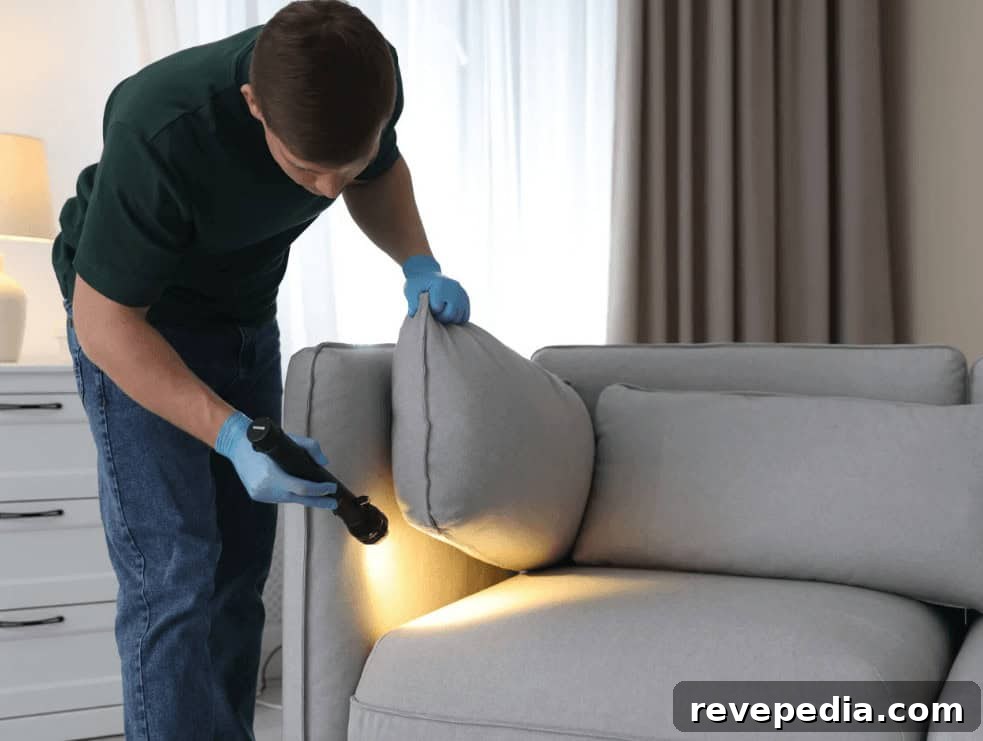
Modern inspections often incorporate thermal imaging and moisture detection to locate hidden entry points, thermal anomalies, and damp areas that attract pests. Identifying and addressing these issues early preserves structural stability and reduces the risk of larger, more costly repairs later.
Exclusion and Environmental Modification: The Core of an Integrated Pest Management Plan
An effective pest-control strategy begins with exclusion—sealing entry points—and modifying the environment to make the home less attractive to pests.
Start with a thorough inspection of the building envelope:
- Examine the foundation for cracks, gaps, or other entry points and perform a moisture inspection to find damp, pest-prone areas
- Check roofing, siding, brickwork, and flashings for gaps or damaged materials
- Use durable silicone-based sealants to close small openings
- Install mesh barriers in vents, crawl spaces, and attic openings to block access
These measures prevent pests from entering and nesting inside the home. Properly selected materials and targeted repairs typically outperform off-the-shelf fixes, offering longer-lasting protection.
Consistent monitoring is also crucial. Catching and resolving small issues early prevents nesting, moisture-related damage, and chewing of structural components like wiring or insulation.
Ensuring Safe and Effective Use of Pheromone and Baiting Systems
Targeted pest-control setups combine baiting methods with monitoring tools to catch infestations early while minimizing chemical exposure.
Focus on areas where pests are most likely to find food or shelter:
- Kitchens and food-preparation zones
- Basements, utility rooms, and other damp spaces
Modern approaches often employ enclosed bait stations and monitored traps that allow controlled treatment. Advanced systems may include digital alerts that notify homeowners or service providers when activity is detected, enabling rapid, targeted response.
This precision reduces the need for broad chemical application and helps maintain healthier indoor air quality. For persistent rodent problems, professional services such as All City rat removal can locate hidden entry points, eliminate infestations, and implement preventive measures to protect insulation, wiring, and other structural elements.
Reinforcing the Perimeter and Exterior Surfaces
The home’s exterior is the first line of defense, especially in colder months when pests seek indoor shelter.
Key exterior improvements include:
- Installing durable door sweeps and effective weatherstripping
- Sealing gaps around windows, doors, and utility penetrations
- Inspecting the foundation for cracks or voids and repairing them promptly
Perimeter baiting systems placed around the foundation can intercept pests before they reach the structure. Taken together, these steps protect flooring, framing, and insulation from long-term damage and contribute to better overall building performance.

Logistics and Seasonal Maintenance Planning
Effective pest control is ongoing; it’s a maintenance program rather than a single treatment.
A practical schedule typically includes:
- Quarterly inspections to monitor for activity and new entry points
- Seasonal adjustments that account for changes in pest behavior and weather
- Preventive treatments applied before peak breeding or activity periods
Professional teams often use a staged approach, timing interventions to align with seasonal cycles so treatments are applied when they are most effective. Consistent materials and methods across visits build reliable protection over time and reduce the chance of recurring issues.
The Future of Bio-Digital Home Security and Automated Monitoring
Smart pest-control technology is advancing toward earlier detection and greater automation, enabling homeowners to respond faster and more precisely.
Emerging systems include:
- Acoustic sensors that detect movement inside walls or floors
- Monitoring systems that track activity patterns and quantify trends over time
- Integrated alerts that connect to home management or security systems for centralized oversight
These technologies help identify problems before they escalate, reduce reliance on broad-spectrum chemicals, and support targeted interventions that preserve the home’s structure and indoor environment.