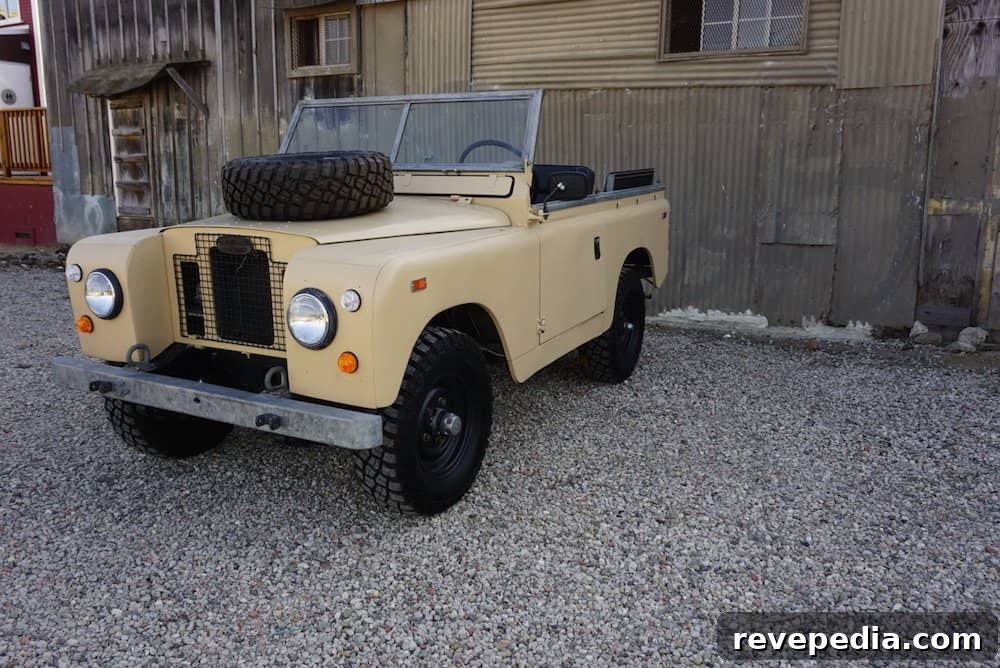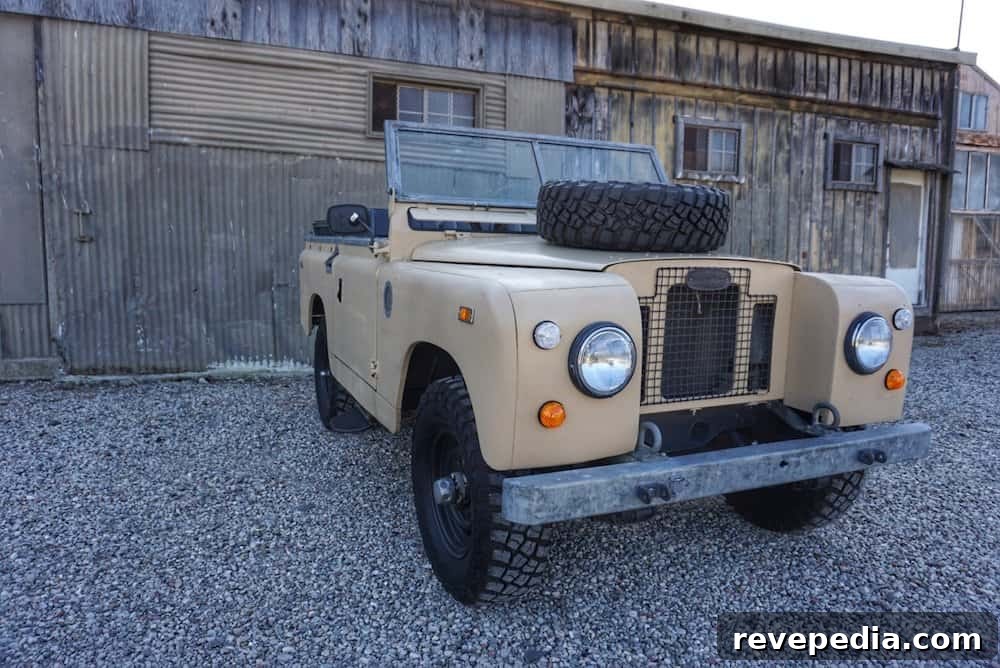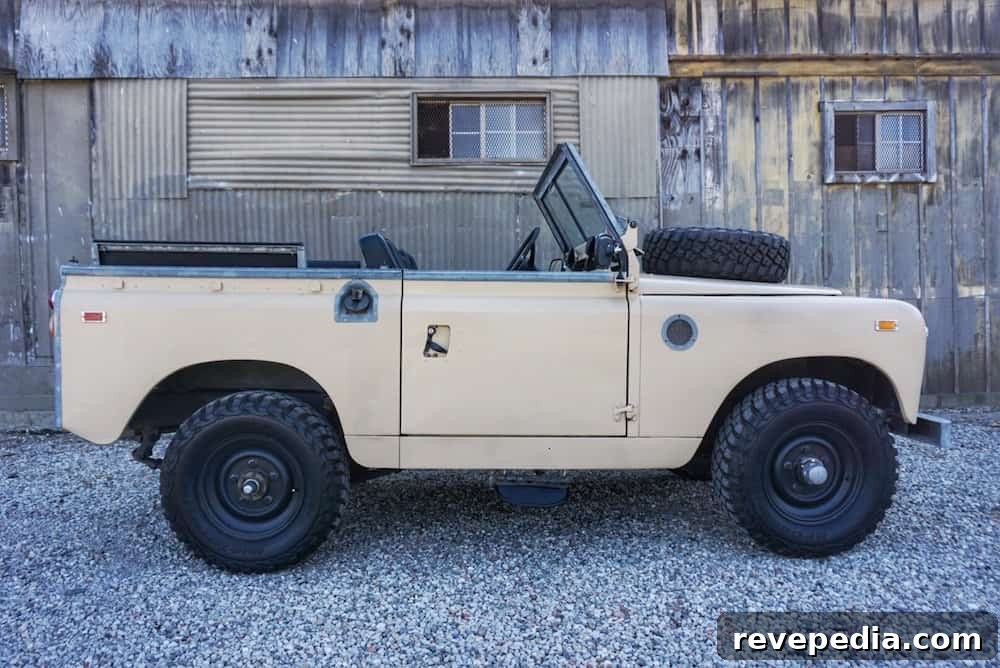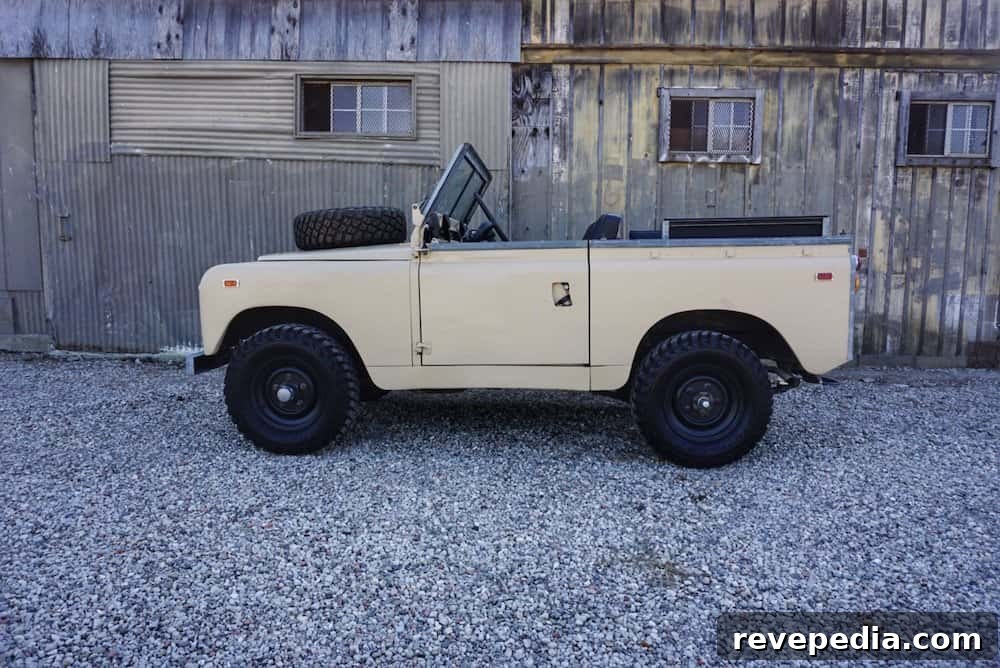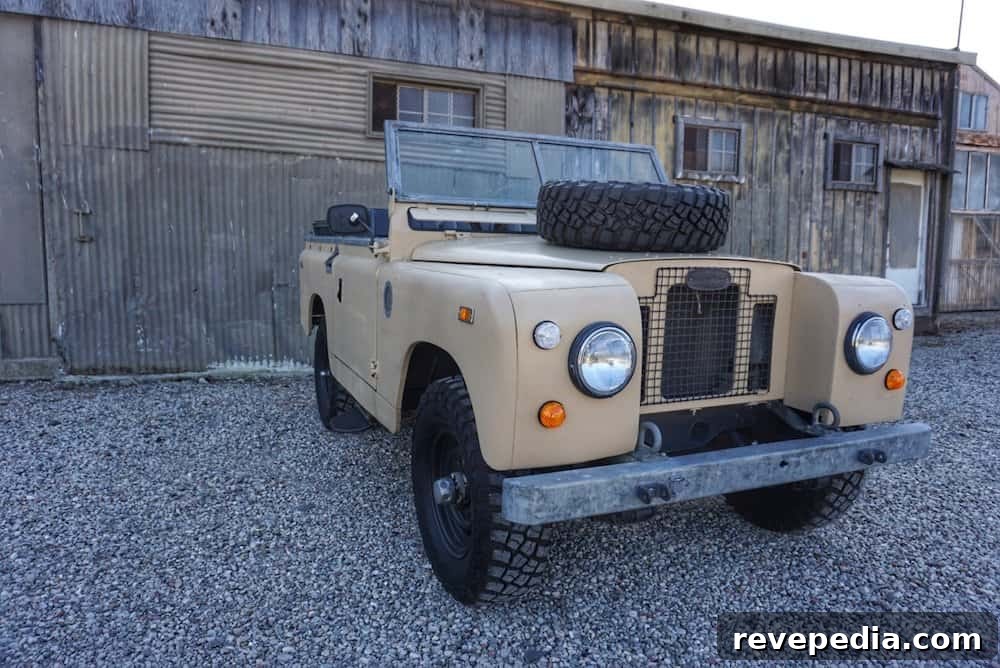
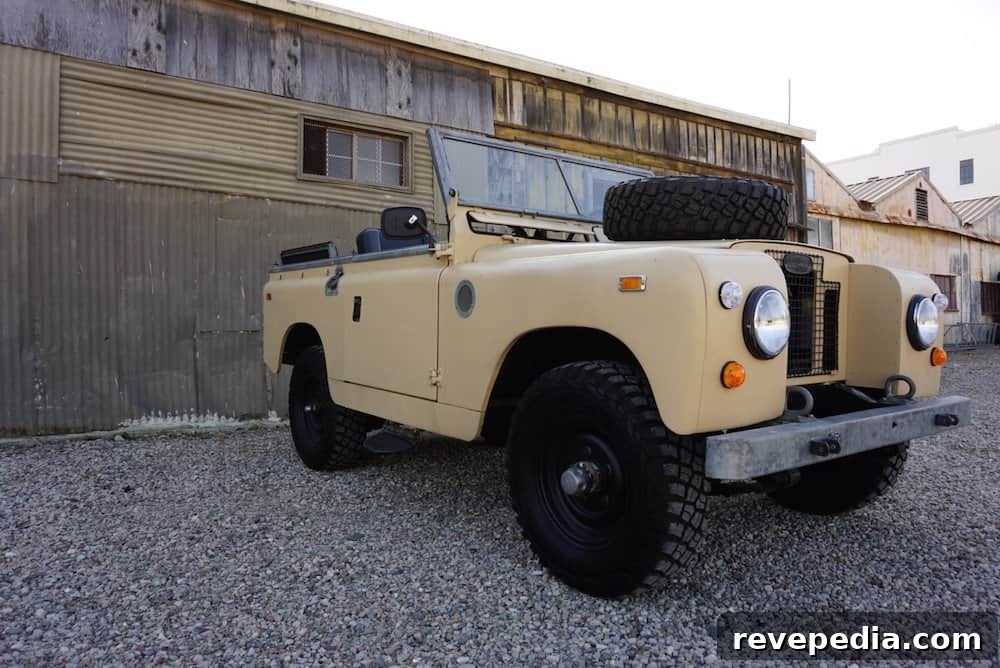
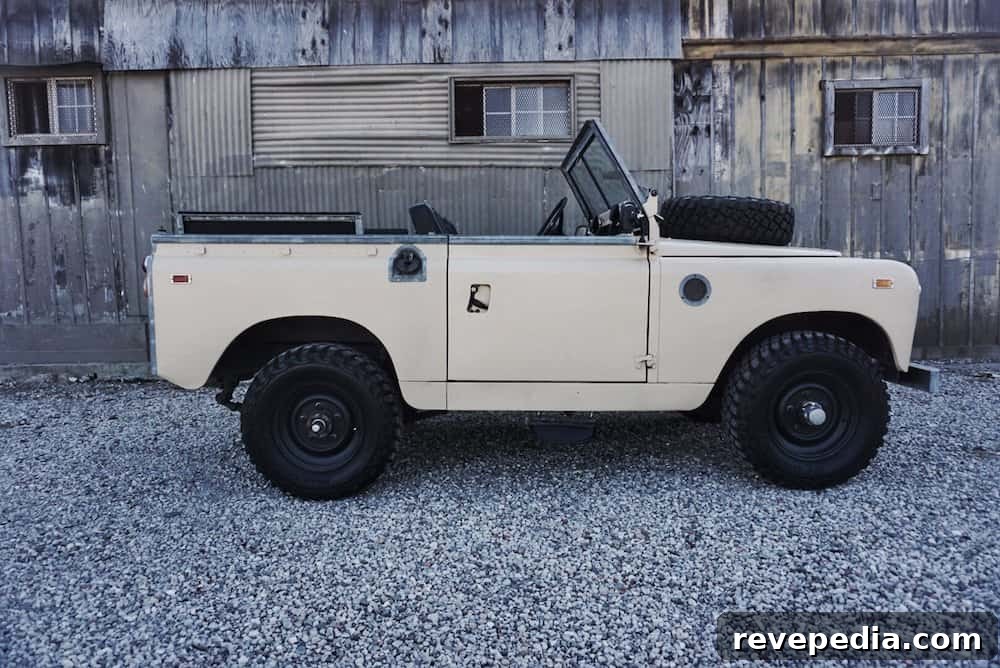
Our friend Scott Rouleau recently completed a full restoration of his 1969 Land Rover Series IIA. The result is stunning — a faithful, usable example that blends period charm with dependable daily drivability.
Long before it became a model name, the spirit of exploration was central to the Land Rover story: if a place existed on the map, a Land Rover could probably get you there.
While classic British 4x4s have seen a recent surge in popularity among style-conscious owners, for every showroom-fresh example there are many honest working machines still getting used off-road and in rough conditions.
Scott Rouleau and builder Paul Livacz rescued this 1969 Series IIA “Bugeye” after it sat untouched in the California desert for 17 years, and brought it back to life with careful, practical restoration work.
Land Rover Series IIA Restoration
Following a seven-month rehabilitation, this Land Rover returned to daily use. It’s a rust-free example based in Santa Barbara, California, and is capable of comfortable highway cruising at around 60 mph.
The truck retains its original 2.25-liter four-cylinder gasoline engine paired with a four-speed manual gearbox, preserving its authentic performance and character.
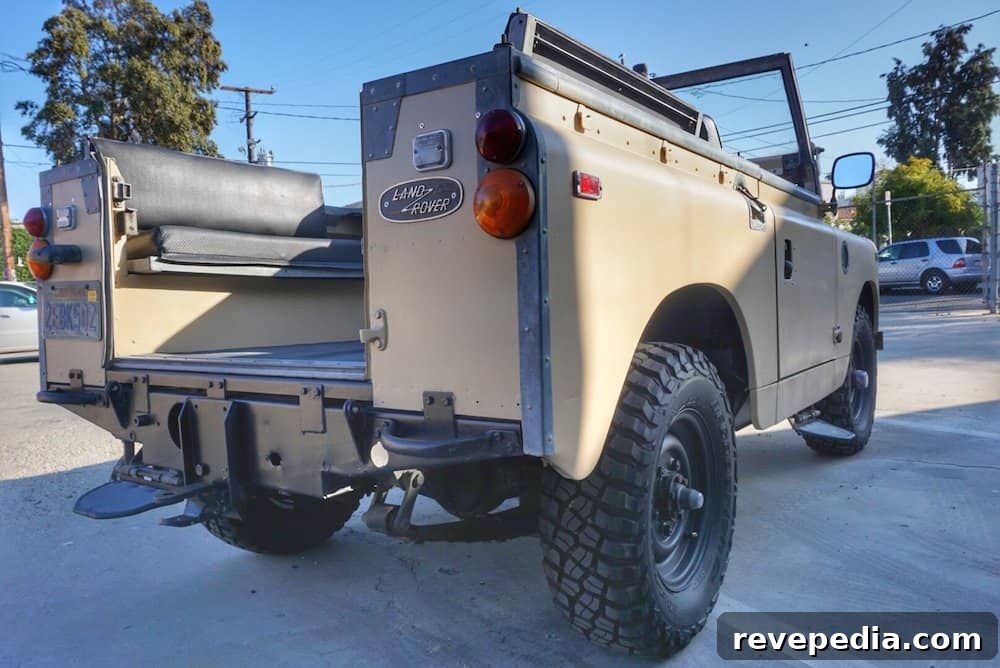
This Land Rover carries a clean California title and was never imported — it is an original North American specification vehicle delivered new to the U.S. in 1969 with left-hand drive configuration.
All of the original sheet metal remains intact and is mounted on its solid, original chassis, a desirable trait for collectors and enthusiasts who value originality.
What’s a Bugeye Land Rover?
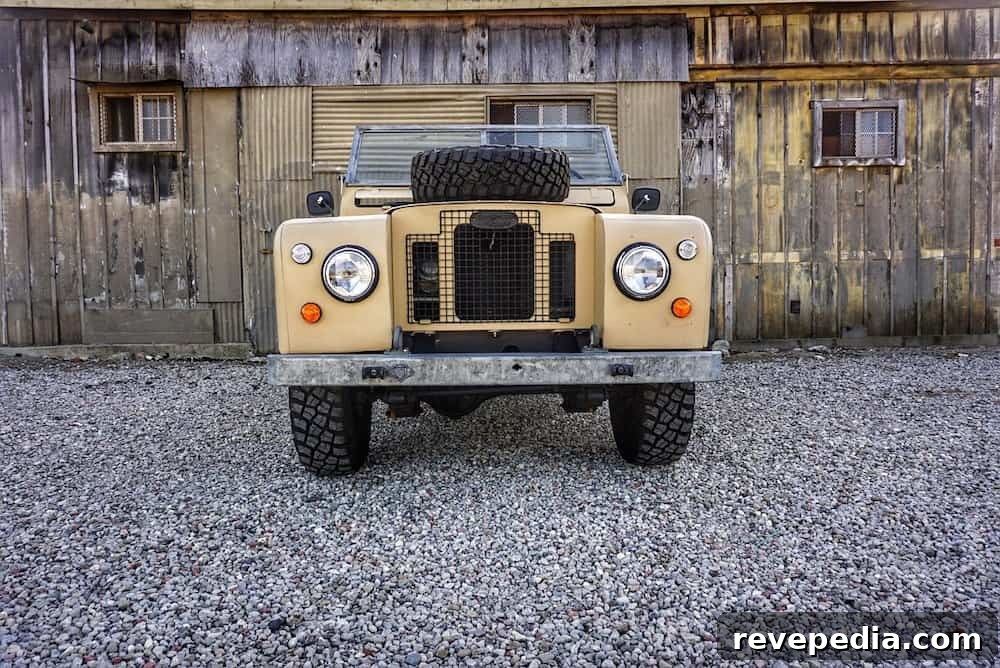
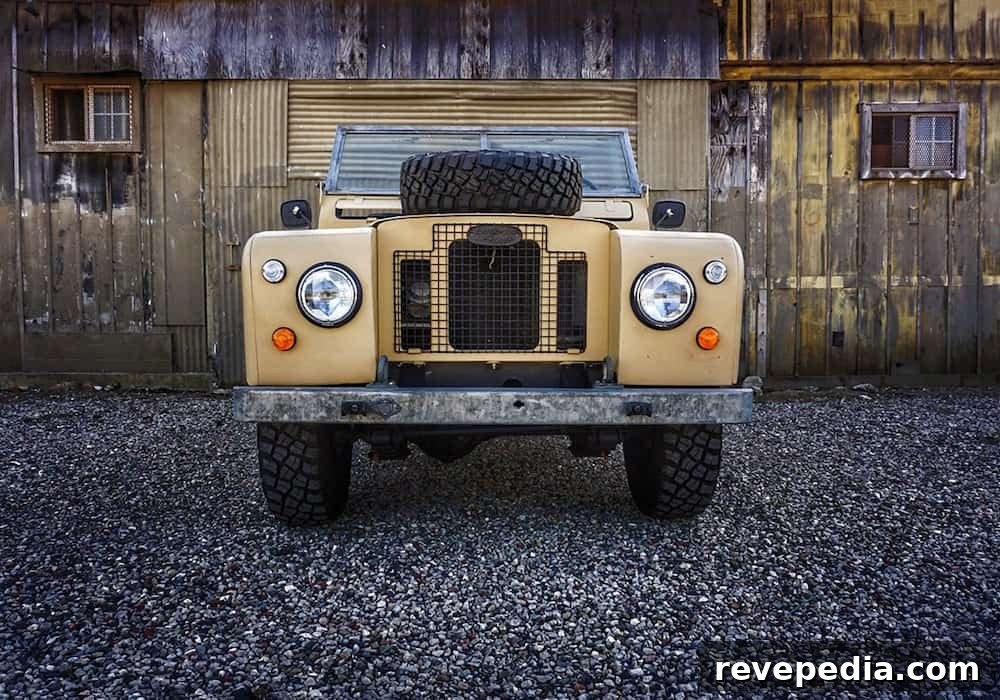
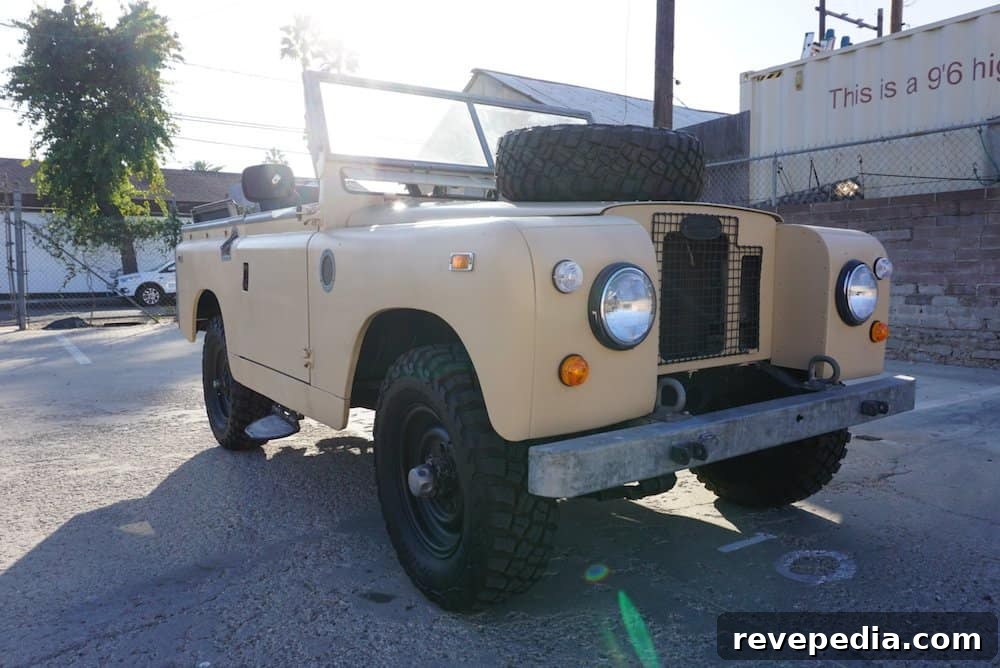
The nickname “Bugeye” refers to a brief production run of late Series II and early Series IIA models (roughly late 1968 through early 1969) that feature headlights mounted on the front of the fender wings rather than recessed into the grille. This change addressed lighting issues caused by the narrowed inner wings.
Because the headlights sit prominently on the wing surfaces — sometimes appearing unfinished or protruding compared with later bezel-mounted lights — these models earned the affectionate “Bugeye” nickname. Fewer than a thousand of these were produced worldwide, making them relatively rare today.
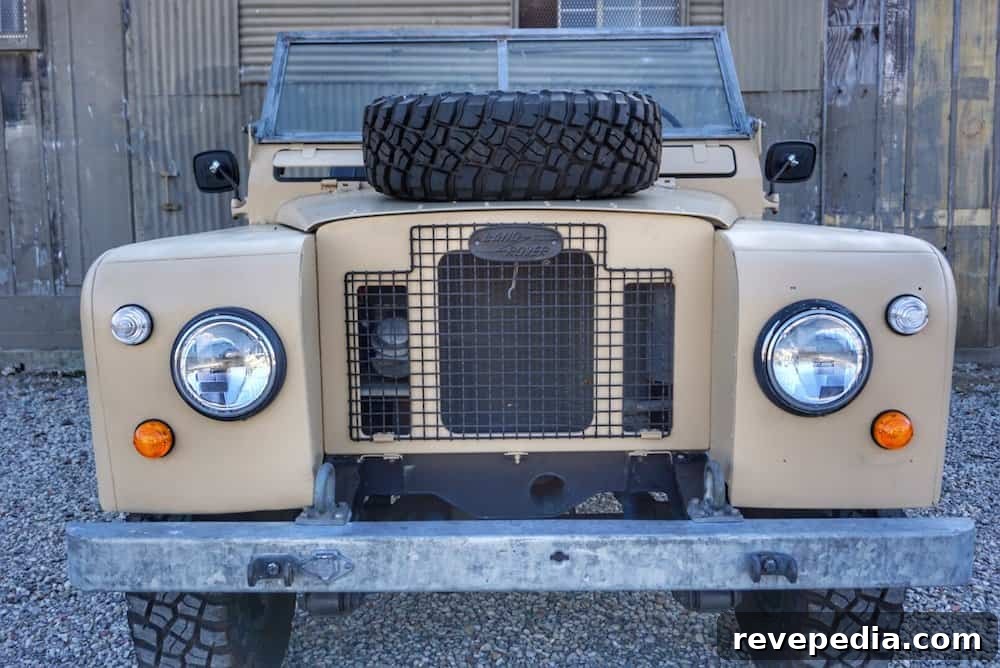
This particular Land Rover certainly attracts attention wherever it goes and represents a successful restoration that respects the truck’s history while making it reliable for regular use.
For enthusiasts who appreciate authentic Classics that are both usable and original, this Series IIA is a fine example of preservation done right.