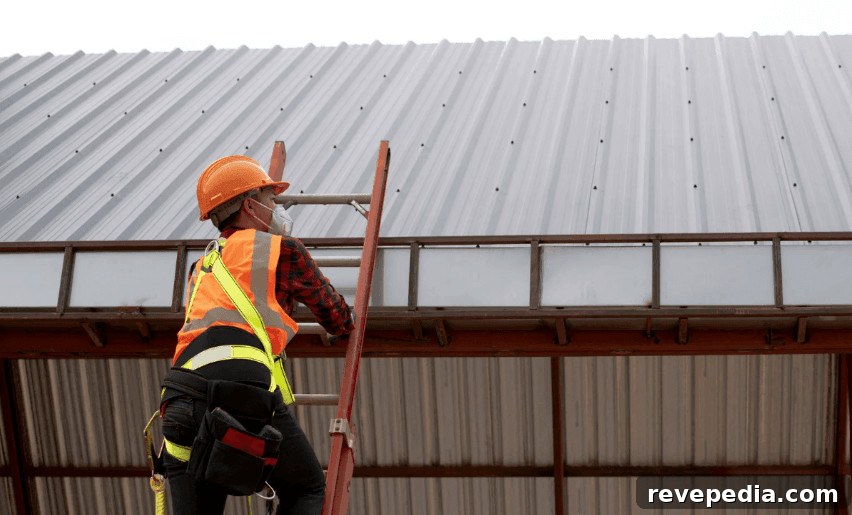
Proper roof maintenance is essential for homeowners to protect their property, extend a roof’s service life, and avoid costly repairs. With increasingly extreme weather, older housing stock, and a wider variety of roofing materials in use, routine inspections and timely upkeep are more important than ever in 2026.
Knowing what roof maintenance involves and how to perform basic tasks will keep your home safe, energy-efficient, and structurally sound throughout the year.
What Is Roof Maintenance?
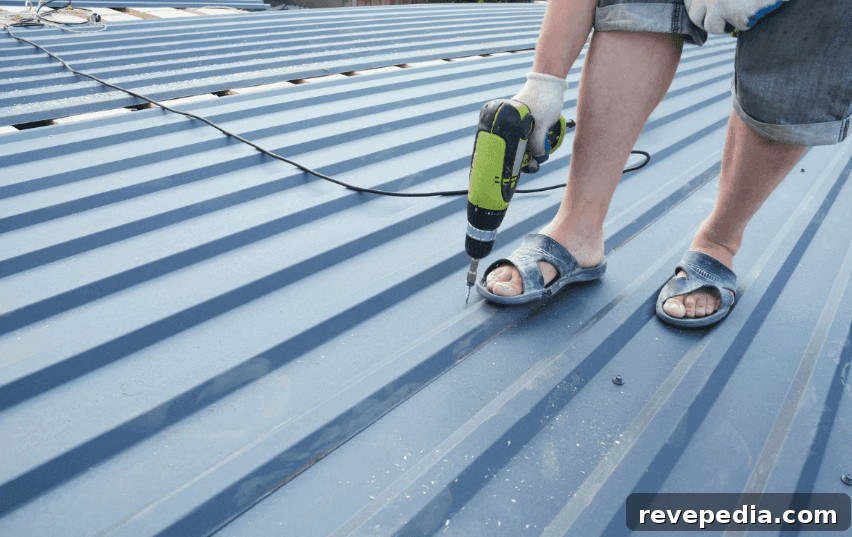
Roof maintenance is the ongoing process of inspecting, cleaning, and repairing the roof to catch small problems before they become major issues. For homeowners, routine maintenance typically includes:
- Inspecting shingles, flashing, gutters, and other visible components
- Removing debris, leaves, moss, and organic growth that trap moisture
- Checking for water stains, mold, or signs of leaks in the attic or ceiling
- Maintaining seals, coatings, and ventilation components to preserve performance
Regular maintenance reduces the risk of leaks, water damage, and structural deterioration, and helps the roofing system perform as intended.
Key Roof Maintenance Tasks for Homeowners
1. Visual Roof Inspections
- Scan the roof surface for missing, cracked, loose, or curling shingles or tiles
- Check flashing and seals around chimneys, vents, skylights, and roof penetrations
- Inspect the attic for daylight, water stains, mold, or elevated humidity that indicate leaks
2. Cleaning
- Clear leaves, branches, and organic buildup from the roof surface and gutters
- Keep downspouts and drainage paths free so water can flow away from the roof and foundation
3. Minor Repairs
- Replace or secure damaged shingles and slipped tiles promptly
- Reapply or refresh sealant where flashing or roof edges show wear
- Patch small leaks early to prevent rot and insulation damage
4. Seasonal Checks
- Inspect the roof after heavy storms, hail, or strong winds for impact damage
- In colder climates, watch for ice dams and ensure proper attic insulation and ventilation
- Remove moss and algae growth to prevent moisture retention and shingle degradation
Benefits of Regular Roof Maintenance
- Extend roof lifespan: Periodic care helps roofing materials last longer and perform better
- Prevent costly repairs: Early detection and repair limit the scope and expense of damage
- Improve energy efficiency: A clean roof and functional gutters help maintain attic conditions and reduce energy costs
- Protect property value: A well-maintained roof supports curb appeal and resale value
- Enhance safety: Preventing leaks and structural failure protects occupants and contents
How Often Should Homeowners Maintain Their Roof?
- Twice a year: Spring and fall inspections are a good baseline
- After severe weather: Check for damage following storms, hail, or heavy winds
- Ongoing upkeep: Remove debris and clean gutters whenever buildup occurs
Homes with older roofs, large overhanging trees, or exposure to harsh conditions may need more frequent checks and maintenance to stay in good condition.
DIY vs Professional Roof Maintenance
Certain maintenance tasks are suitable for homeowners to handle safely, while others should be left to professionals:
- Reasonable DIY tasks: clearing gutters and surface debris, replacing a few damaged shingles, and monitoring the attic for signs of moisture
- When to hire a professional: inspections on steep or high roofs, flashing replacement, complex repairs, and work involving specialty materials such as metal or tile
Hiring a qualified roofing professional ensures the work is completed safely and correctly, and it can help preserve any existing manufacturer or contractor warranties.
Tips for Effective Roof Maintenance
- Keep clear records of inspections, repairs, and dates of major maintenance
- Perform an inspection after storms to catch damage early
- Trim overhanging branches to reduce debris, shade, and mechanical damage
- Ensure proper attic ventilation and insulation to prevent moisture buildup and ice dams
- Schedule a professional inspection at least once a year if possible, and more often for older systems
Conclusion
Roof maintenance is an essential responsibility for homeowners in 2026. Consistent inspections, cleaning, and timely repairs prevent costly damage, extend the life of roofing materials, and help maintain a comfortable, energy-efficient home.
By combining careful DIY maintenance with professional services when needed, homeowners can protect their investment and ensure their roof remains reliable and durable for years to come.