
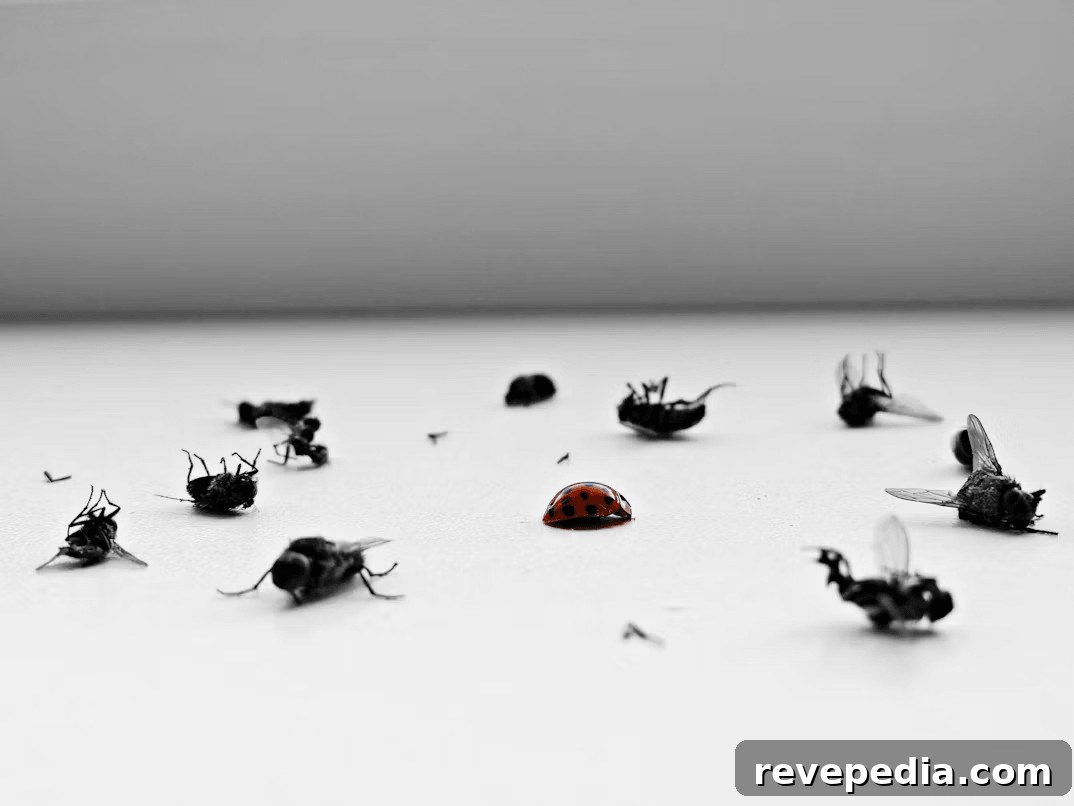
If you spend weekends building a pergola, pouring a new patio, or finally fixing the drainage in a backyard you’ve been reworking for two summers, pests are probably not the first thing on your mind. Still, every homeowner who invests time and money in outdoor living knows how quickly a termite trail along a deck post or a wasp nest under the eaves can undo months of work. Pest pressure doesn’t care how nice your fire pit looks.
Timing matters as much as the treatment itself. Many homeowners call an exterminator only after spotting pests, which often means paying more to repair or eradicate a problem that could have been prevented. If you are investing in creating a functional and stylish backyard, pairing that project with a seasonal pest control schedule protects the investment instead of letting damage quietly start from the ground up.
Spring Prevention: Why March–April Is the Critical Window
Late March through early April is widely considered the best return-on-investment window for pest control across many regions. As soil temperatures rise, termite swarmers, carpenter bees, and early ant colonies become active. Treating pests during these vulnerable life stages is far more effective and efficient than reacting after colonies are established. Early spring interventions can reduce the amount of product needed while delivering better long-term control of ants, termites, and other wood-damaging insects.
Local conditions make this window especially important in milder climates. A mild winter followed by a damp spring creates ideal conditions for subterranean termites and carpenter ants near foundations, decks, and wood siding. Scheduling an inspection before the ground fully warms gives technicians the chance to identify and treat entry points, soil-to-wood contacts, mulch issues, and nesting sites before colonies spread into structural wood. Compared with repairing termite or carpenter ant damage later, a targeted spring inspection is a modest preventive expense.
Summer Management: Maintaining Control During Peak Activity
By June, pest populations have moved from emerging to thriving, and summer is the time when most homeowners finally notice problems rather than prevent them. Mosquitoes breed rapidly around standing water, cockroaches exploit warm, humid conditions indoors and outdoors, and wasps expand their colonies quickly enough that a small nest can become a serious hazard within weeks. Many areas see increased wasp activity from May through September, with peaks in mid to late summer when removal requests rise.

One spring treatment is seldom enough for summer conditions. Follow-up visits are important because pest pressure continues to grow while temperatures stay high. Skipping a mid-summer check often means confronting an established wasp nest, a widespread mosquito-breeding site, or infestations of ants and roaches that could have been contained earlier. Watch outdoor entertaining areas, grills, patios, children’s play zones, and any spots where water collects—these are typically the hotspots for summer pest activity.
Fall Exclusion: Seal Up Before Winter Invasion
When temperatures fall in September and October, pest behavior shifts from reproduction to shelter-seeking. Rodents such as mice and rats look for warm entry points through gaps around utility lines, foundation cracks, and poorly sealed garage doors. Spiders and overwintering insects, including stink bugs and some beetles, begin moving indoors. This makes fall an ideal time to focus on exclusion—sealing holes, screening vents, and closing gaps—rather than relying solely on reactive treatments.
A comprehensive fall service typically includes sealing visible entry points, applying perimeter treatments, and inspecting attics, crawl spaces, and basements where rodents and overwintering insects settle. Homeowners who skip exclusion often face active rodent problems by December, which are harder and more expensive to resolve than sealing a small gap in October. Fall treatments are less dramatic than spring or summer work but they commonly prevent the most disruptive infestations of the year.
Year-Round Strategy: Quarterly Scheduling for Greater Protection
Pest control professionals generally recommend quarterly service—about every three months—as the minimum schedule for effective prevention. This cadence aligns with seasonal transitions and lets each visit be tailored to the pests active that quarter instead of using a one-size-fits-all approach. Regular, scheduled service tends to deliver better long-term outcomes and lower total cost than reacting to problems as they appear.
In regions with mild, damp climates, pest activity rarely disappears even in the coldest months, so consistent protection matters more than in areas with harsher winters. Adopting a four-phase approach—spring prevention, summer management, fall exclusion, and a winter check—keeps pressure on the pests and reduces the risk of costly structural damage or disruptive infestations.
| Termite Damage Cost (Annual US) | Over $5 billion nationwide each year |
| Market Share Context | Pest control represents a large, data-driven industry with broad regional variation |
| Recommended Service Frequency | Quarterly visits (every 3 months) as a baseline for prevention |
| Best Spring Treatment Window | Late March to early April for many temperate regions |
| Summer Wasp Peak | In many areas, wasp activity increases from May and often peaks in July–August |
When viewed together, these seasonal patterns make a clear case: pest control is most effective as an ongoing schedule rather than a single annual event. Treating spring, summer, fall, and winter as distinct phases—each with specific priorities—helps homeowners protect landscapes, outdoor living spaces, and structural wood while reducing overall costs and surprises. Matching treatment timing to the seasons is a straightforward way to stay ahead of common pests instead of constantly chasing new problems.