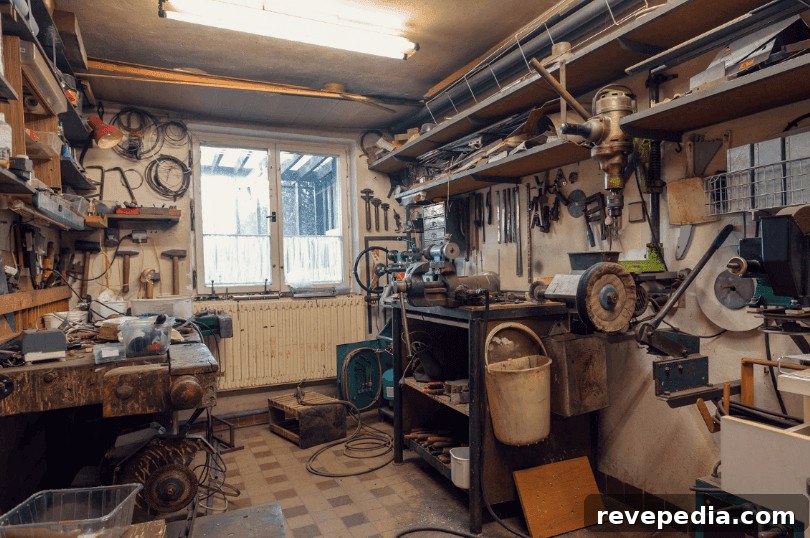
This is where all the creative projects happen: the place where an old chair is repaired instead of discarded, custom shelves are built for awkward corners, garden planters and benches take shape, and handmade gifts are assembled. It’s a comfortable environment—but comfort can breed carelessness.
A garage, shed, or basement workshop often feels informal, which can make even simple tasks seem less risky. You might tell yourself you’re only sanding one board, making a quick cut, or changing an edge—until a saw blade, drill bit, chemical finish, or a cloud of dust proves otherwise. Tools and hazards do not distinguish between a professional shop and a home workspace.
Effective home workshop safety doesn’t mean treating every DIY task like a formal procedure. It means building habits and a workspace where the safer choice is the easier choice. When tools, personal protective equipment (PPE), ventilation, layout, and emergency gear are properly arranged, you’ll spend less time dealing with accidents and more time creating.
Below are seven practical safety protocols that make any home workshop safer, cleaner, and more productive.

Make PPE Part of Starting the Job
One of the easiest ways to skip safety gear is to store it inconveniently. If safety glasses live in a drawer, hearing protection hangs across the workshop, and gloves are buried behind scrap wood, it becomes tempting to skip them “just this once.” Small tasks quickly become the ones done without protection.
Set up a simple PPE station near the workshop entrance or main bench. It doesn’t need to be fancy—just a mounted rack, labeled shelf, or small cabinet where eye protection, hearing protection, gloves, and appropriate masks are within reach before you touch a tool.
Eye protection should be the first item you reach for. Regular prescription glasses are for vision correction, not impact protection; they don’t reliably stop chips, debris, or dust. If you wear glasses, consider prescription safety glasses designed for impact resistance and comfort. Choose eyewear rated to meet relevant safety standards and suitable for the type of work you do.
The aim is not to wear every piece of PPE for every small task, but to have the correct protective equipment readily available and use it whenever the work poses a risk.
Make Tools Impossible to Start Accidentally
Workshops are rarely isolated: children, partners, friends, or simple distractions can create dangerous moments. Keep tools in a condition that prevents accidental starts.
Unplug corded tools after use—especially before changing blades, bits, or sanding discs, cleaning jams, or making adjustments near moving parts. Physically removing the power source is more reliable than trusting a switch to be off. For stationary tools with removable safety keys, remove and store the key to prevent unintended operation.
If kids or multiple people access the space, consider a lockable cabinet for portable power tools. Store cordless tools without batteries during maintenance or when not in use; a battery can allow the tool to start if the trigger is pressed. A safe workshop uses simple physical barriers so hazardous tools can’t be started unintentionally.
Control Dust and Fumes at the Source
Dust is often underestimated because it’s common. While visible dust clouds get swept away, the finest particles linger in the air and settle on surfaces, becoming an ongoing respiratory and cleanliness issue.
Capture dust at the source by connecting a dust extractor or shop vacuum to saws, sanders, routers, and other compatible tools. A vacuum attached directly to the tool will usually outperform a room air cleaner alone. Still, a good air cleaner is valuable for removing dust that escapes source extraction during long sessions or when multiple tools are running.
Different materials produce different dust types—MDF, plywood, hardwoods, drywall, insulation, and old painted surfaces each require attention. Some materials produce very fine particles that justify stronger extraction and respiratory protection.
Finishes, solvents, paints, and adhesives create vapors and fumes. Open windows help but are sometimes inadequate. When using chemicals or coatings, work in a well-ventilated area, follow product instructions for ventilation and PPE, and where possible use an exhaust system that vents outdoors.
A reliable dust removal and ventilation system protects your health, improves visibility, and keeps dust from spreading beyond the workshop.
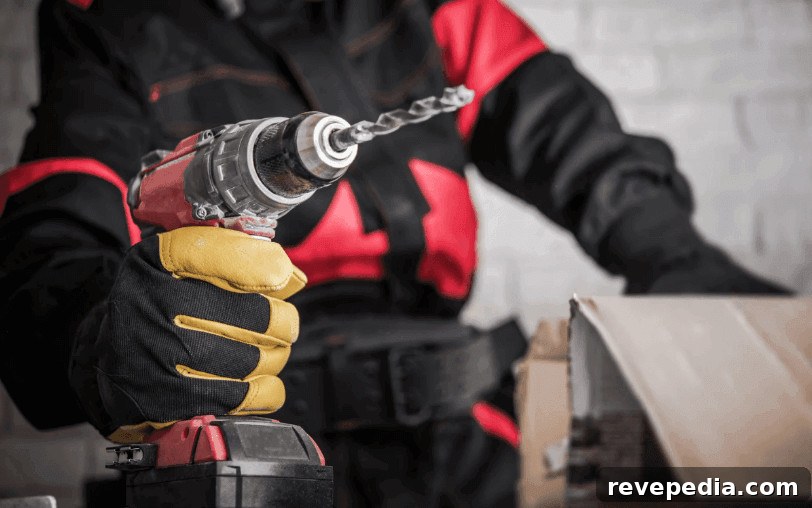
Arrange the Workshop According to How You Move
Many accidents are caused not at the blade but by tripping over a cable, reaching awkwardly, or bumping into a bench while handling a long board. Plan your layout around how you actually work.
Give machines that need room—table saws, miter saws, planers—space in front and behind for long stock. Consider where raw material comes from, its path through the machine, and where the finished piece will go. Avoid twisting, stretching, or balancing boards in unsafe ways.
Locate frequently used machines near the main bench and store heavy items low to make lifting safer. Keep extension cords organized and check them regularly. Simple floor markings can define safe zones around dangerous equipment and remind you where not to stand while a tool is running.
Good lighting is part of layout: overhead lighting plus focused task lights at benches helps you see cut lines, drill points, and material condition. When you can see clearly, you’re less likely to lean in dangerously or make hasty decisions.
Use a Short Pre-flight Check Before Every Power-Tool Task
A quick pre-flight check takes only a minute but catches common issues. Before switching on any power tool, pause and inspect: are cords and plugs intact? Is the guard or shield in place? Is the blade, bit, or disc appropriate and tightened? Is the workpiece properly supported or clamped?
Make a mental checklist part of your routine: tool and cord condition, guards installed, cutting accessories sound and secure, workpiece supported or clamped, no loose clothing or jewelry, workshop floor clear, and PPE on. For damp shops, use ground-fault protection and never use tools with damaged cords or broken housings—the risk isn’t worth the last “one quick cut.”
Treat Finishes, Solvents, and Oily Rags as Fire Hazards
Many shop fires occur after work is finished. Oil-based stains, varnishes, and finishes can generate heat as they cure. Rags soaked with these products can spontaneously combust if piled up or thrown away improperly.
Follow product labels and local disposal rules. Often this means storing used rags in a sealed metal can or spreading them out to dry outdoors before disposal. Store flammable liquids in original containers with tight lids, away from ignition sources and direct sunlight.
Keep the shop clean—sawdust, wood shavings, and waste paper are additional fuel. Regular sweeping and proper waste handling reduce fire risk and make the space more enjoyable to work in.
Make Emergency Supplies Easy to Access
Your emergency station should be obvious and accessible. Mount a fire extinguisher near the exit where it can’t be missed. Choose an extinguisher rating appropriate for mixed hazards in a workshop.
Keep a well-stocked first aid kit in a visible location. Beyond bandages, include sterile gauze, wound dressings, adhesive tape, disposable gloves, burn dressings or gel, and trauma shears. For eye incidents, have clean water or an eyewash solution ready and know the nearest sink location—immediate flushing is essential.
Keep your phone charged and accessible, and tell someone when you’ll be using more hazardous equipment. Regularly check emergency supplies for expiration and replace used items. Clear paths to those supplies so you won’t waste time in an emergency.
A Safer Workshop Is a More Productive Workshop
These protocols are not meant to scare you; they’re practical steps to reduce common risks that come with regular tool use. When PPE is within reach, power sources are controlled, dust and fumes are managed, the layout supports safe movement, pre-use checks become routine, chemicals are stored safely, and emergency gear is accessible—you don’t need to stop every few minutes to think about safety. Safety becomes part of the system.
That system lets you work smarter and enjoy projects with confidence. The best home workshops aren’t defined by the most expensive tools, but by how well they enable you to create, repair, and experiment safely. Arrange your space to address the most frequent hazards, and you’ll spend more time making things and less time managing risks.