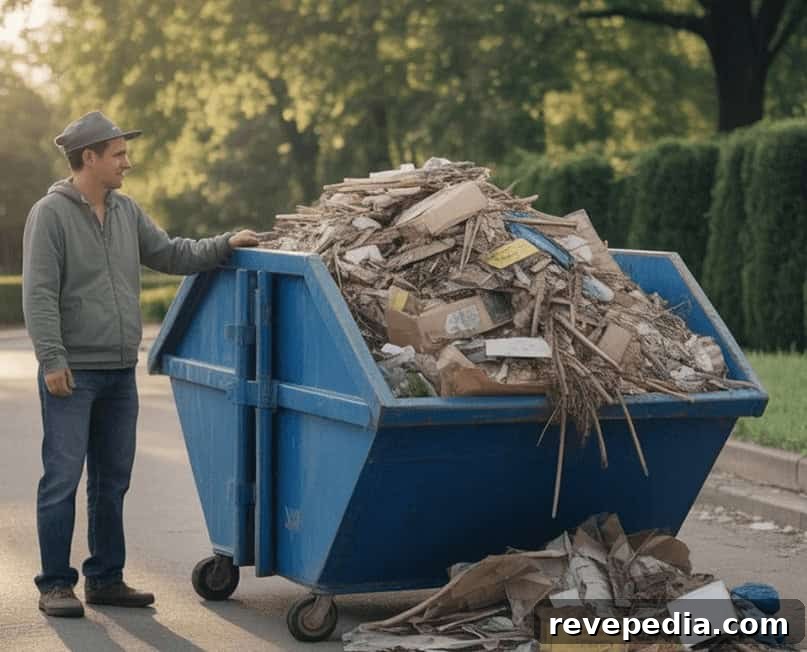
Home improvement projects in Chicago often bring an unexpected challenge: debris accumulates far faster than most homeowners anticipate.
Whether you’re clearing out a basement, renovating a kitchen, or undertaking a full-scale remodel, waste management can quickly become one of the most time-consuming and frustrating parts of the job. Regular curbside pickup frequently can’t handle the volume or the weight of materials produced during these projects, especially in older homes where demolition and replacement generate substantial debris.
For many homeowners, renting a dumpster has become a practical, time-saving solution. Searching for “dumpster rentals near me” isn’t just about convenience—it’s about keeping your project organized, efficient, and on schedule from start to finish.
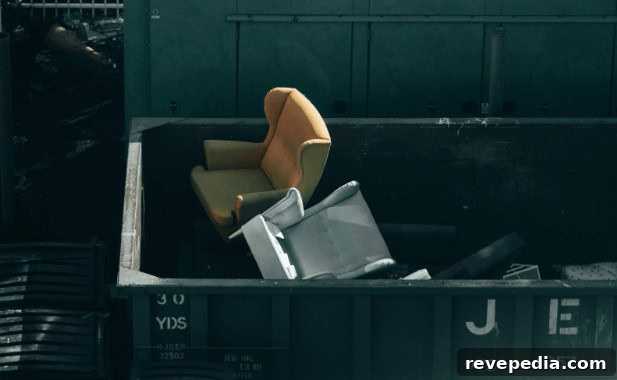
What Is a Roll-Off Dumpster?
A roll-off dumpster is a large, open-top steel container specifically designed to handle bulky, heavy, or high volumes of waste that standard trash collection services won’t accept. They are delivered and picked up by a specialized truck that rolls the container on and off the vehicle using a hydraulic system, which is how they earned the “roll-off” name.
Roll-off containers are available in sizes that typically range from 10 to 40 cubic yards, making them suitable for tasks from single-room cleanouts to major residential demolition projects. A rental usually includes delivery, a set rental period, and pickup when you’re finished.
Homeowners in Chicago use roll-off dumpsters for remodels, roof tear-offs, landscaping and yard overhauls, estate cleanouts, storm damage remediation, moving-related purge projects, and any other task that generates more waste than a few garbage bags can hold.
Benefits of Roll-Off Dumpsters for Chicago Homeowners
Chicago’s curbside bulk collection policies are restrictive: large items, construction materials, and heavy loads are often excluded. Renting a dumpster provides a single, reliable solution for disposing of material curbside pickup cannot handle.
Cost-wise, a dumpster rental is typically more economical than hauling debris yourself. Multiple trips to municipal drop-off sites add up in fuel, time, and vehicle wear. A local dumpster rental consolidates all the debris in one place and eliminates repeated trips.
Older Chicago homes—such as bungalows, greystones, and two-flats—tend to produce dense, heavy waste during renovations. A roll-off dumpster keeps these materials on site, reduces trip hazards, and helps maintain a safer, more organized workspace. This advantage is especially important in tight urban lots where driveways and alleys are narrow and storage space is limited.
Environmentally, responsible dumpster providers often sort materials and divert recyclables from landfills. Choosing a reputable company can help ensure your project waste is handled in a more sustainable way.
What the Dumpster Rental Process Looks Like
Many homeowners delay renting a dumpster because the process seems unfamiliar, but it is straightforward. When you book, the rental company will ask about your project, the types of debris you expect, estimated volume, and where you want the container placed. Providing clear details up front helps avoid delays and ensures the right size and setup.
On delivery day, the truck places the dumpster in your designated spot. When your rental period ends, the truck returns to load and haul the container away—often without you needing to be present. Before delivery, clear the placement area of vehicles or obstacles. Your provider may suggest placing wooden boards to protect driveways or will advise on any site prep needed.
What You Can and Can’t Put in a Rented Dumpster
Most renovation and household debris are acceptable in a rented dumpster. Typical allowed items include:
- Construction and Renovation Debris: Drywall, lumber, flooring, tile, cabinets, fixtures, and roofing materials.
- Yard and Landscaping Waste: Branches, sod, soil, fencing materials, and deck lumber.
- Household Junk and Furniture: Furniture, boxes, and general household clutter from cleanouts.
However, many items are prohibited and require special disposal methods. These commonly include:
- Hazardous Materials: Paint, solvents, chemicals, asbestos, and fuel containers must be handled separately.
- Electronics and Appliances with Refrigerants: TVs, computers, and appliances that contain refrigerants (such as refrigerators and air conditioners) need certified recycling or disposal.
- Tires, Batteries and Medical Waste: These items are typically banned from standard dumpsters and must be taken to designated facilities.
Placing prohibited items in a dumpster can lead to refused pickups, extra fees, or fines under Chicago waste disposal regulations. When unsure about a specific item, contact your rental provider ahead of time—one quick call can prevent costly problems later.
How to Choose the Best Residential Dumpster Rental in Chicago
Selecting the right dumpster depends on several key factors: the type and density of materials, total volume of debris, and available placement space.
Dense materials such as concrete, brick, and asphalt quickly add weight and may require a smaller container (often a 10-yard unit) to stay within weight limits. Volume matters too: a bathroom remodel or garage cleanout may fit in a 10- or 15-yard container, while a full renovation or roof replacement usually needs a 20-yard container or larger.
Space constraints in Chicago neighborhoods often limit usable dumpster sizes. For many residential properties, a 20-yard container represents a practical upper limit because larger units may not fit in driveways or alongside homes without causing access issues.
Discuss your project and expected materials with the rental company to ensure you get the correct size and avoid overage fees. Choosing the right container from the start can reduce overall project costs and streamline cleanup.
Dumpster Permits in Chicago
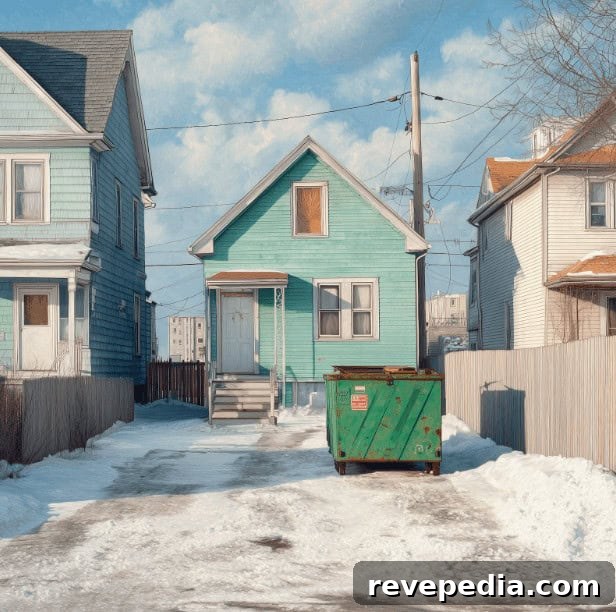
In Chicago, a permit is usually required if you place a dumpster on public property such as a street, alley, or sidewalk (even if only partially). Permits are issued through the City of Chicago’s permitting portal and are commonly available in three-day or 30-day terms.
If you keep the dumpster entirely on private property—such as a driveway or yard—permits are generally not necessary. That distinction makes driveway placement the preferred option when it’s possible for a residential project.
If street placement is necessary, plan for permit processing time when you schedule your rental. Processing times can vary, and failing to secure a permit in time can delay delivery. Most rental companies can help determine permit requirements and timelines, making the process easier for homeowners.
Conclusion: The Right Tool for Cleanup
Effective planning and cleanup are essential to completing any home project successfully. A roll-off dumpster simplifies debris management, keeps job sites safer and more organized, and helps work move forward without needless interruptions.
Before you start your next project, think through how you will handle waste. Choosing the right dumpster and taking care of permits and placement details ahead of time will save time, reduce stress, and let you focus on the important work of improving your home.